
Restoration through community action.
Let Middle Tennessee’s native landscape shine, connecting people, nature and community along our greenway.
Who We Are
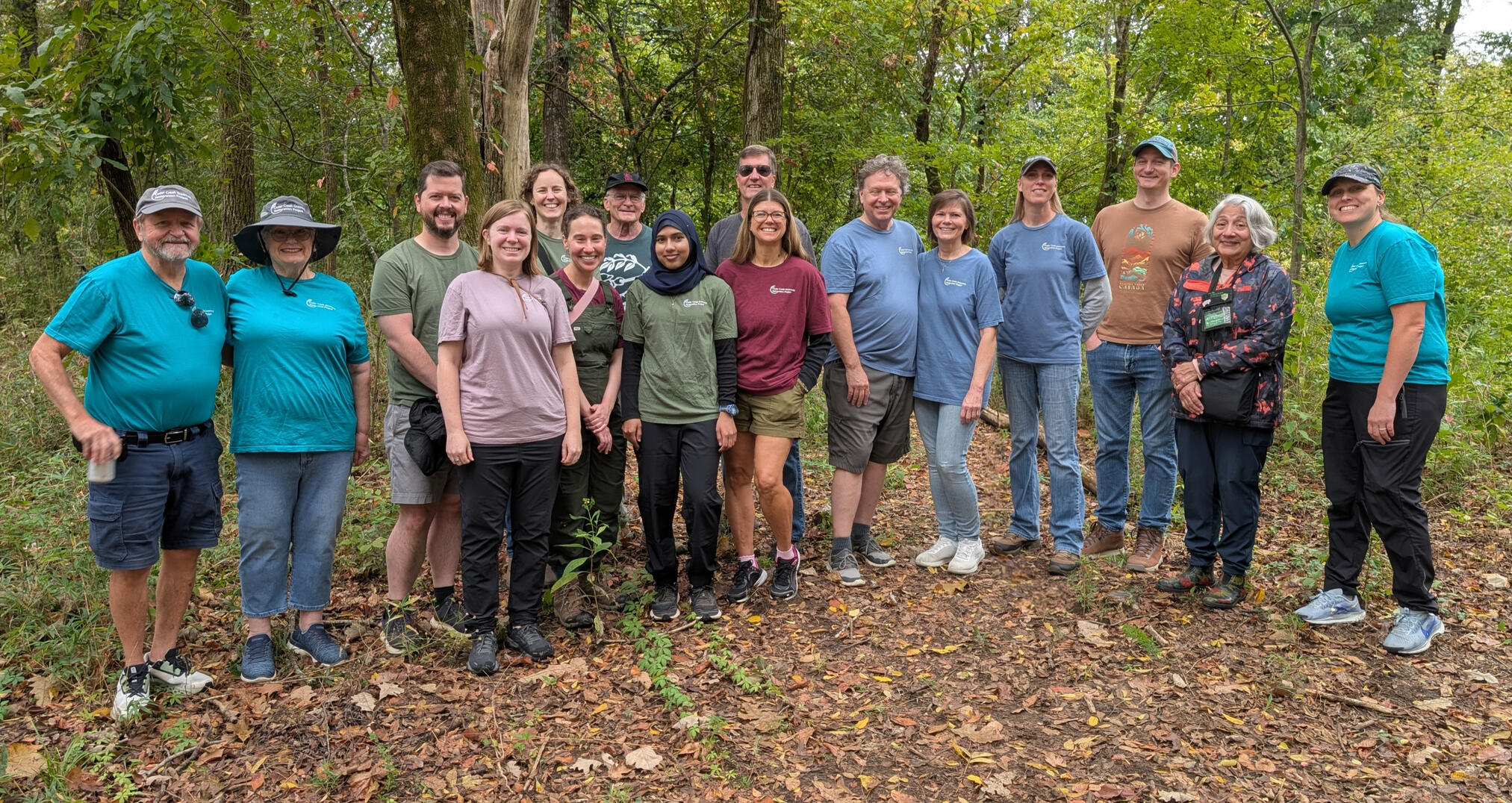
The Cedar Creek Greenway Restoration Project is a local volunteer initiative, in partnership with the communities of Park Glen and Tuscan Gardens, the
City of Mt. Juliet’s Parks and Greenways Division, Wilson County Master Gardeners and the Tennessee Naturalist Program.
What We Do
We host events and activities to:
create community awareness of issues that the land along the creek and greenway are facing
provide education about the plants and wildlife that can be enjoyed along the trail
encourage our local wildlife to thrive
Why We Do What We Do
The Cedar Creek Greenway in North Mt. Juliet is a prized community connection with the potential to showcase our region’s beautiful wildflowers and wildlife.
However, invasive plant species and erosion are threatening these ecological treasures and putting this unique opportunity at risk.
The Greenway shouldn’t be a treasure hunt—the entire landscape should be the treasure. If we don't know what's there, it's hard to understand and appreciate it.
Restoring the natural landscape along the creek will create beauty, educational opportunities and greater appreciation for this natural space that
connects our community.
Monthly Newsletter
Learn the latest news about past and upcoming events!
Sign-up for our Monthly Newsletter below.
Our Partner and Donor Support Make This Possible.
Thank you!




Private Donation Support from:
Lynne and John Ritter
Event Calendar + Volunteer Sign-Up
Follow the steps below to sign up for a Volunteer Event.
Step 1: Check Out Our Event Calendar
Click on the Event to see details.
We update this calendar weekly. Many of our Volunteer Events, Nature and Birding walks are weather dependent.
If you have signed up for an event, you will be notified if the event task has been changed or if the event has been cancelled due to weather.
Step 2: Volunteer Waiver
Fill out a Volunteer Waiver for the Site Location of your Event.
A printable map to parking locations is available below.
Step 3: Sign-up for Volunteer Events!
Use the form below to sign up for Volunteer Events.
We know your time is valuable and we appreciate your consideration in participating in our Volunteer Events. Thank you!
Project Information
How We Got Started
Completed in December 2022, the 1.1-mile Cedar Creek Greenway between Charlie Daniels Park and the Soccer Fields is a valued recreational trail for the north Mt. Juliet community. Since opening, invasive plants have increasingly overtaken native wildflowers and trees, while high-water events have eroded the creek bank and washed away trees along the water’s edge.
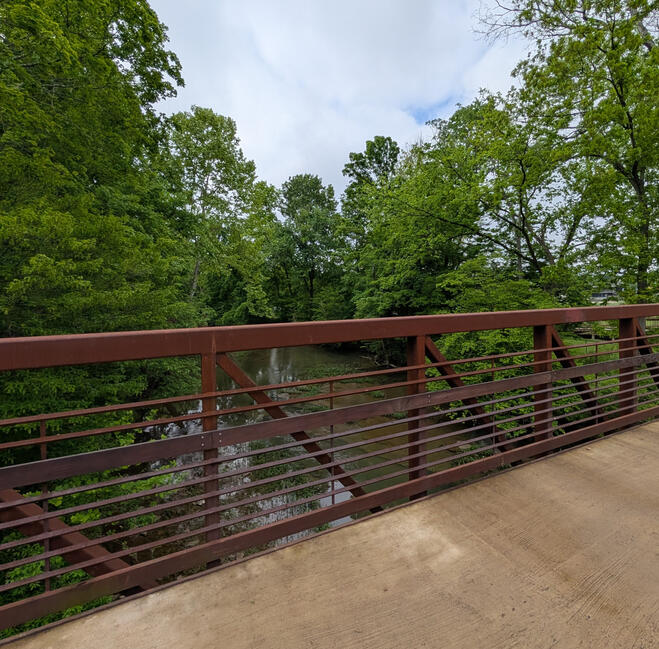
In order to protect what remains, the Cedar Creek Greenway Restoration Project, a community initiative, was formed in February 2025 to manage the lands along creek and greenway. With the permission of property owners along the greenway and a permit from the Tennessee Department of Environmental Conservation, community members are pulling together to complete the following goals:
Project Goals
remove invasive plants to restore native ecosystems
improve creekbank erosion control measures
open more scenic views of the creek and
encourage our native middle Tennessee plants and wildlife to thrive
What We Are Restoring
One of our project goals is to “restore native ecosystems,” but what does that mean? Ecosystem restoration requires identifying a point in time to return to.We aim to restore our work sites to at least a pre-invasive-plant ecosystem, which would have been about 1970. At this point in time, this area was farmland and pasture, with remnants of old fencing still visible along the trail. Our goal isn't to create farmland, so what would it have looked like before it was a farm?Although the trees may suggest the area was once naturally wooded, plant species provide clues about its past. Evidence suggests the landscape was a mix of open woodlands, grasslands, and pockets of wetlands. We are working to restore these habitat types within our project areas.We are also restoring the creek bank that has heavily eroded away. Installing native shrub vegetation into the creek bank will create a network of root systems that will help hold the creek bank in place and limit erosion.Click below to learn more about what was here historically and our restoration process.
Project Scope
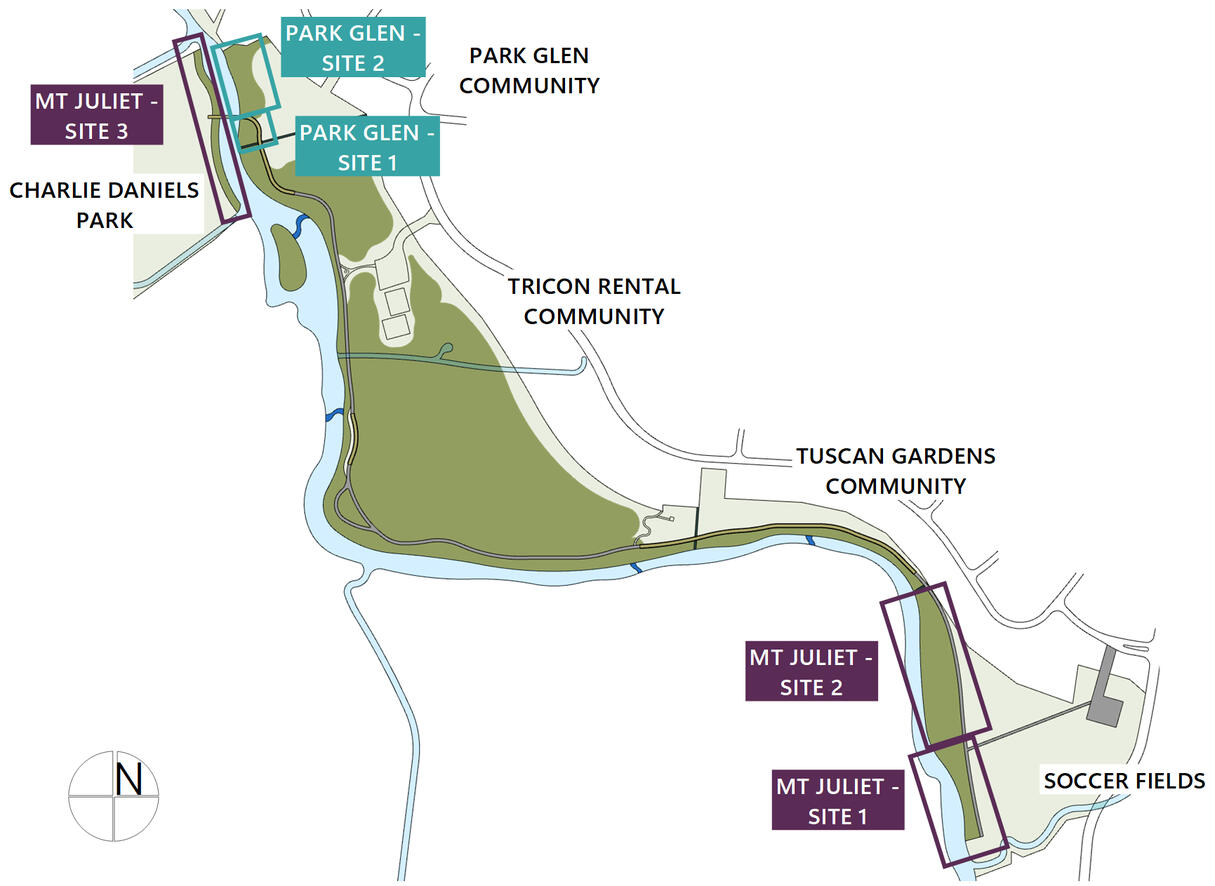
Site History and Restoration Information
The Land Surrounding Cedar Creek Greenway
Cedar Creek runs through the Inner Basin ecoregion in middle Tennessee. An ecoregion is a generalization used for understanding the type and quality of environmental habitat of an area. It serves as a basis for research, understanding and management of that particular habitat. The Inner Basin ecoregion was formed by unique geological events and was once dominated by grasslands and wooded cedar glades, divided by shallow streams that often flow over limestone bedrock.
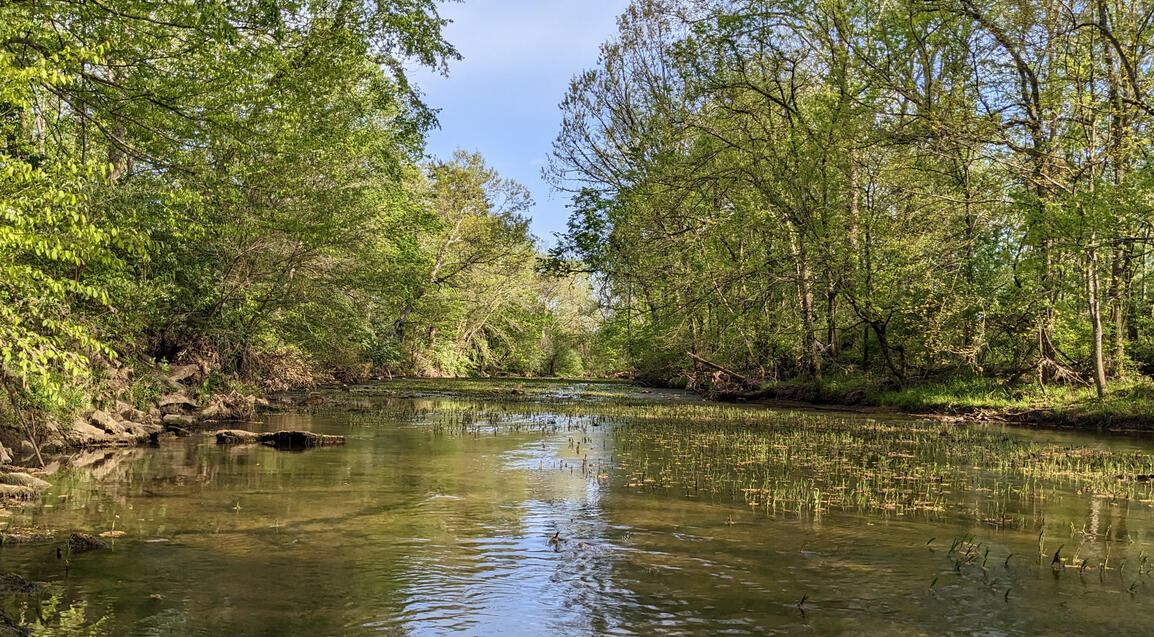
The soil surrounding Cedar Creek is labeled by the geographic information system as Altavista silt loam and was created by sediments deposited within floodplains. When water moved through the area during highwater events, soil particles dropped when the speed of the water slowed down. It is characterized as "prime farmland".
Plants Are Clues To The Past
Water was able to slow down by a combination of topography, dense ground vegetation and possibly beaver in the area. Plants that slowed down that water movement likely grew in a combination of open woodlands, canebrakes and shallow wetlands.
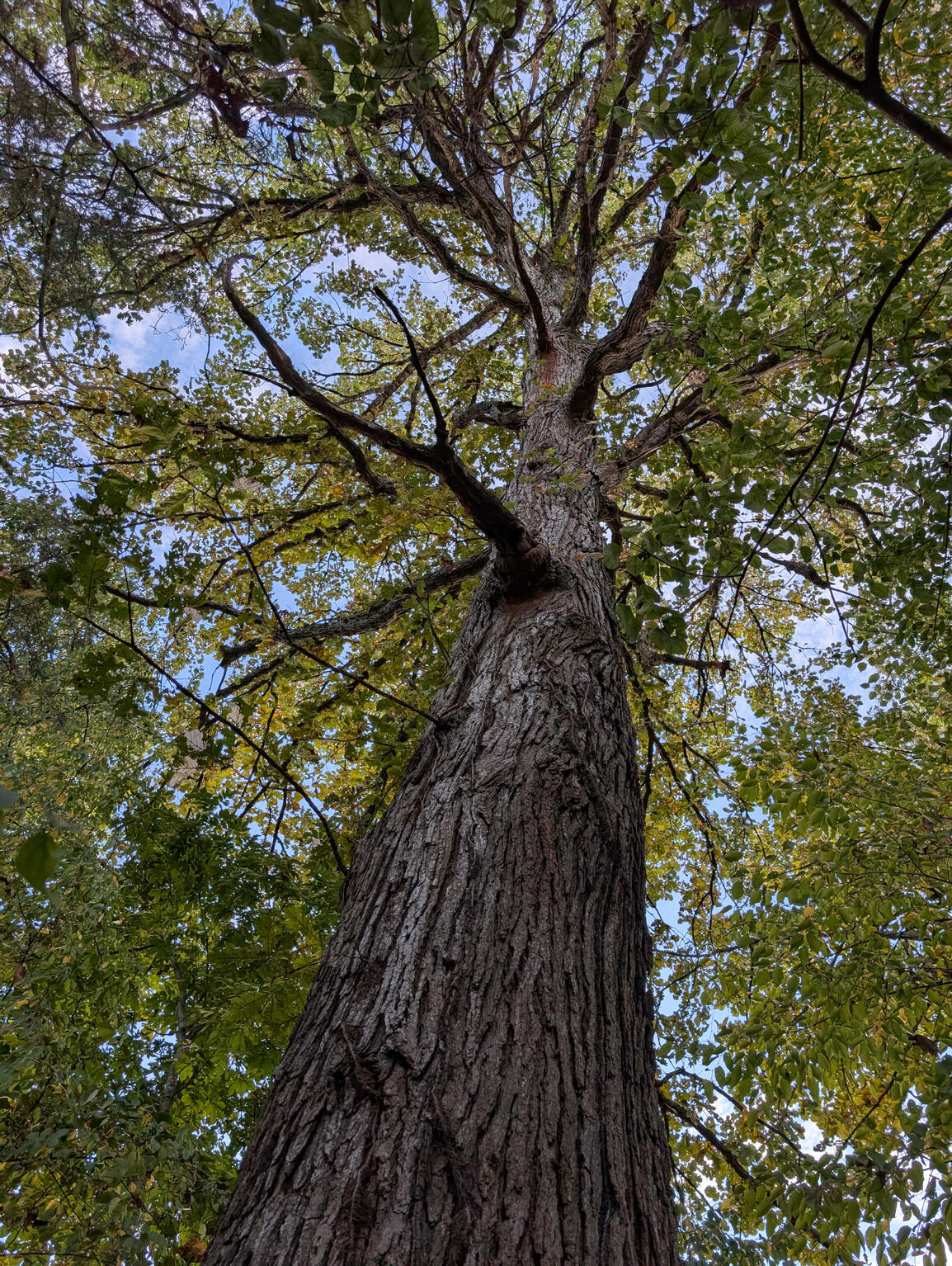
The woodlands were recorded as predominantly consisting of maple, oak, hickory and ash. Cedar trees represented only about 2% of the tree population. Oaks, hickories, ash and mature maples are all tree species that can tolerate occasional fire events, which cedar trees do not.
Today, cedar trees and invasive plants dominate most of the land along Cedar Creek due to high disturbance and lack of fire and good management practices. In the midst of these are a few large oak and hickory trees, seed remnants from the previous generations that had once been controlled by fire. Most of the ash trees are either dead or in poor health due to emerald ash borer damage.
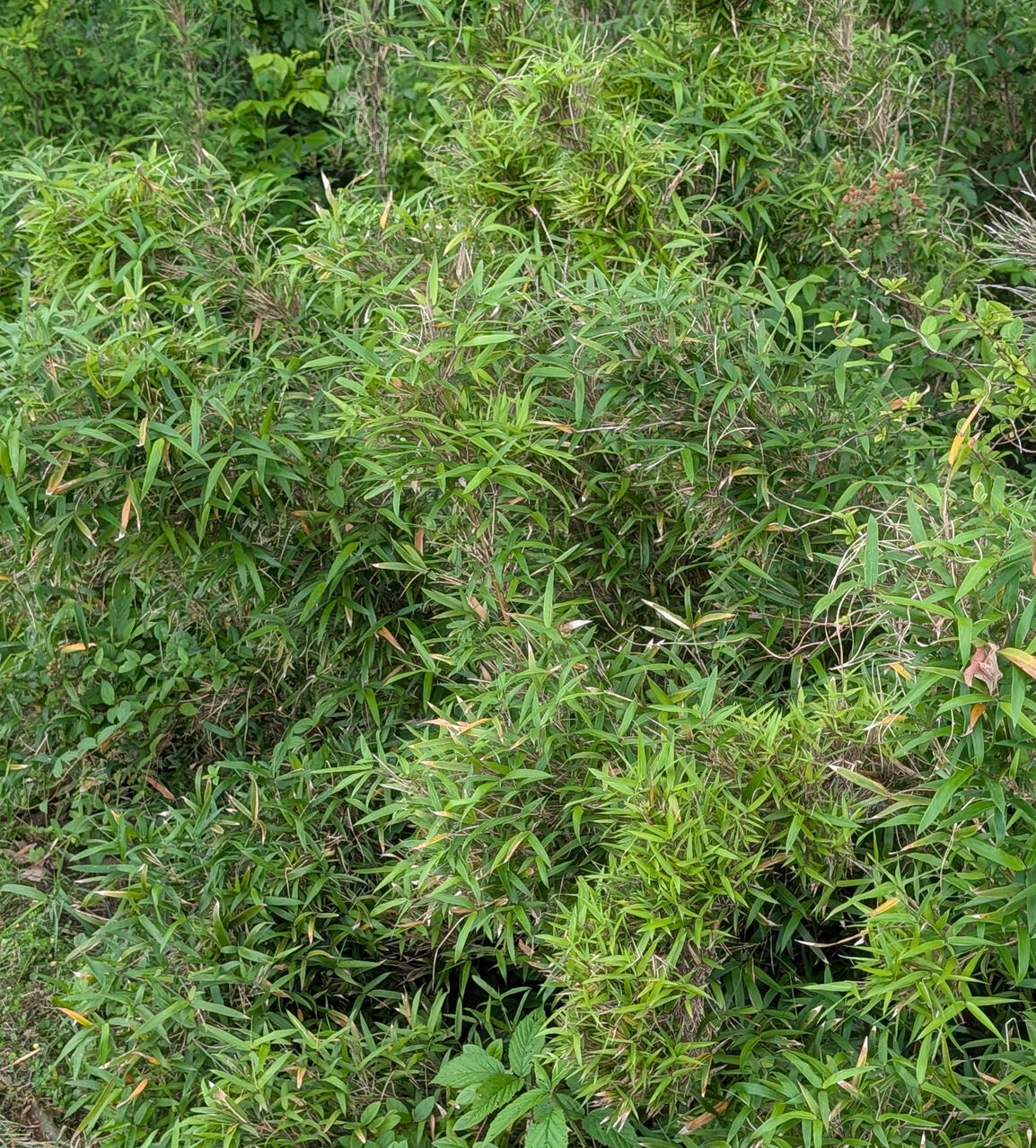
River cane is a native bamboo-type grass that historically covered acres along the Cumberland River and its tributaries, which includes Cedar Creek. River cane can grow to be decades old and forms large colonies through a vast root system. It is a keystone species and was essential to the Tribal Nations who lived here. Canebrakes now cover less than 2% of their former range, making them one of North America's most threatened ecosystems.
Today, river cane dominates most of the understory near the soccer fields and remains in smaller pockets along the Cedar Creek.
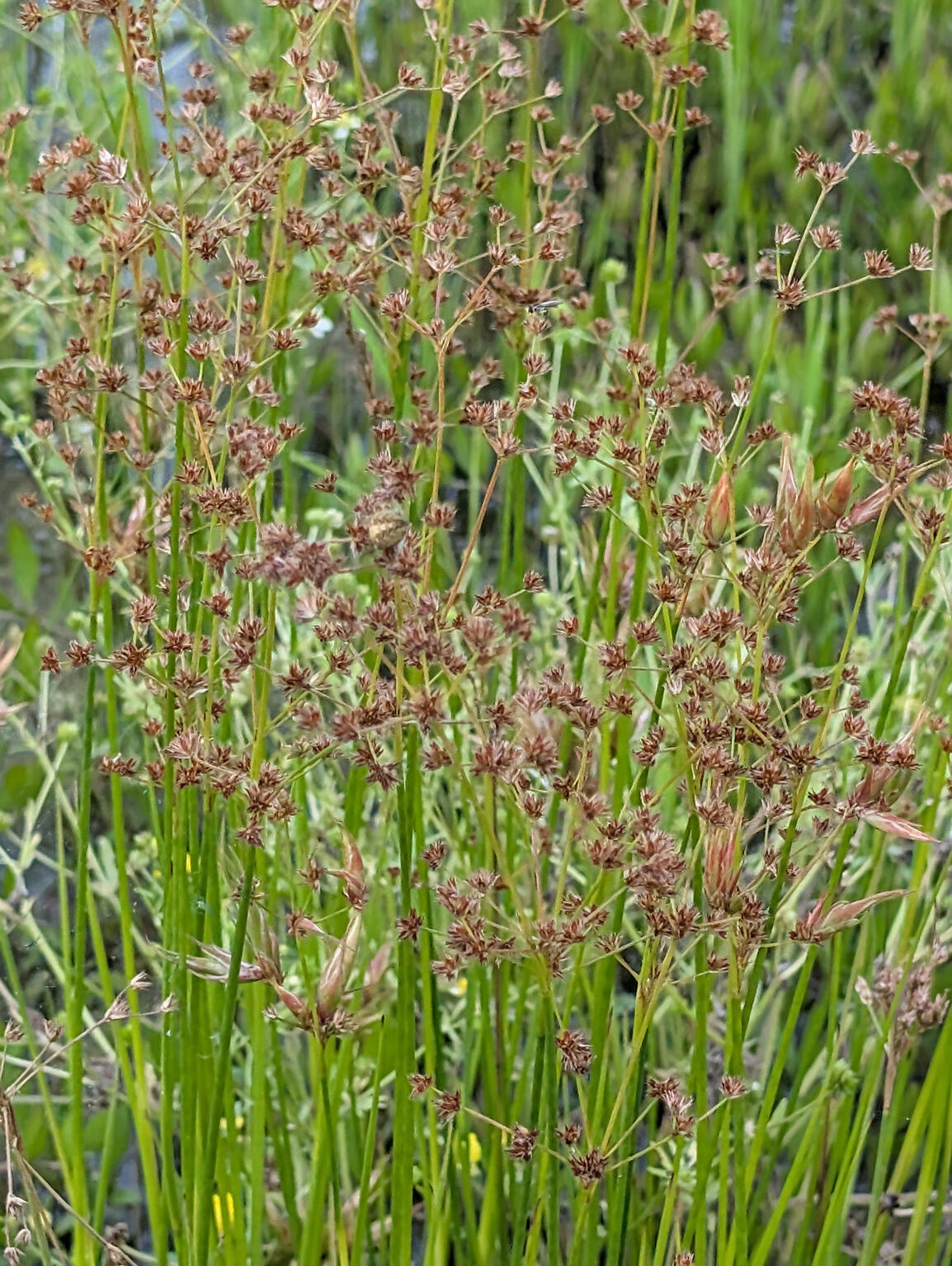
Using a combination of a hydrologic determination map of the area from 2019 and documenting existing plant species found along this 1.1 mile section of Cedar Creek, there are pockets of wetlands remaining. These are not being managed properly or not being managed at all, which puts these small habitat remnants and specialized species that utilized them at risk. Unfortunately, these wetland remnants are not within our scope of work.
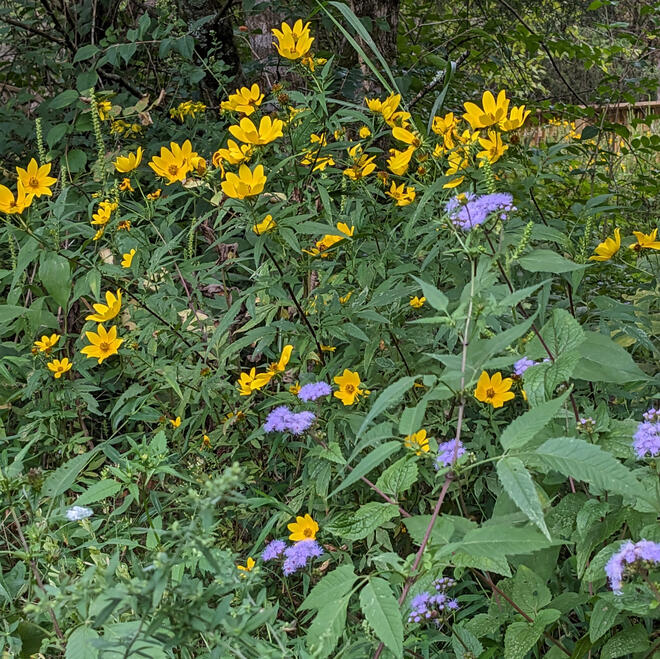
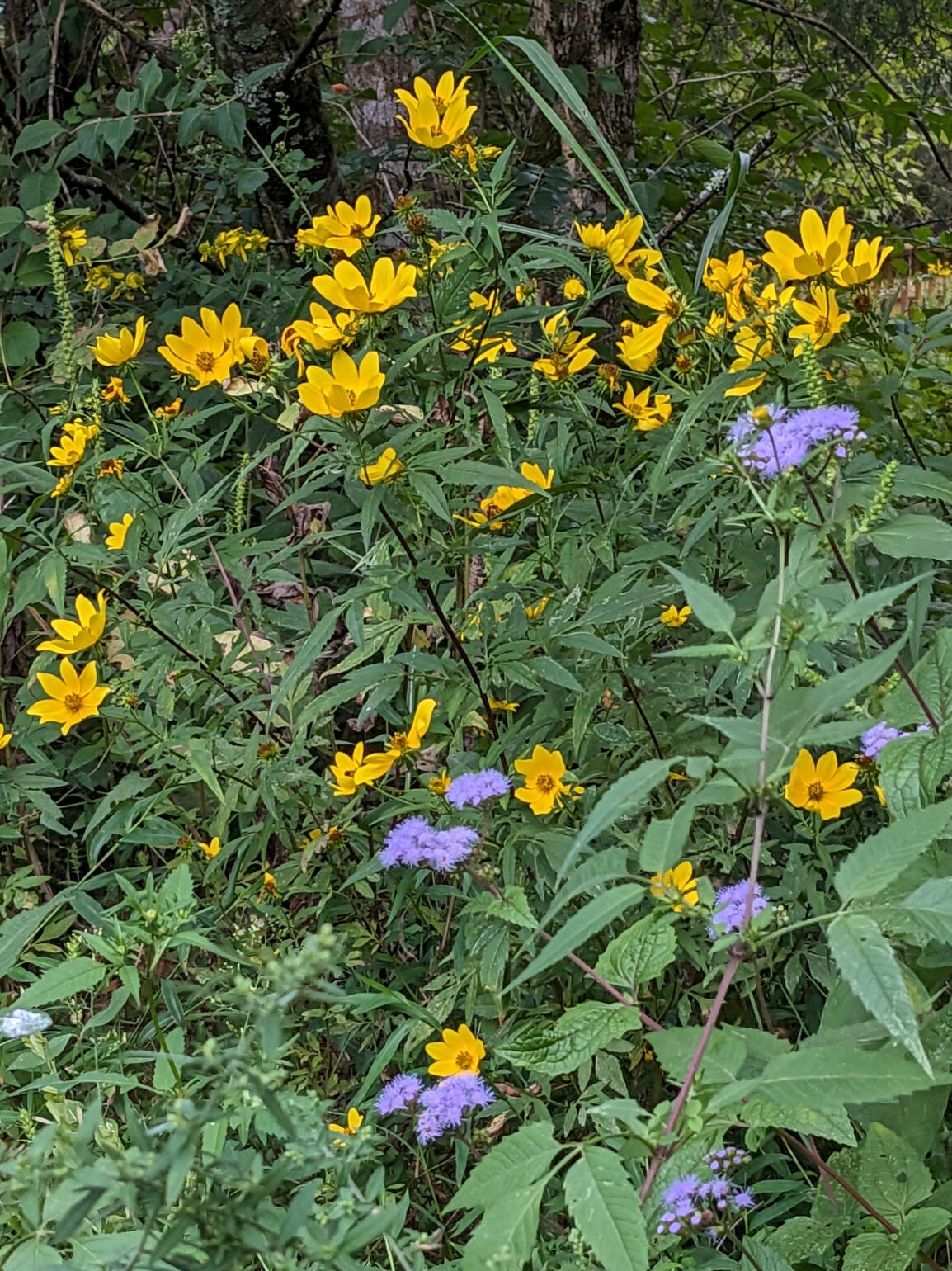
Open areas that were not filled with river cane or wetlands were likely grasslands. The different species of wildflowers found along the greenway are a testament to that.
Most wildflowers found here are full-sun to part-sun species, with only a few being woodland plants. Visit our Photo Gallery to see many of the wildflowers found along the Greenway.
Restoration Process
While we aren't putting fire back on the land due to safety concerns, we will be implementing management practices that will mimic the thinning of the woodland canopy to recreate that open tree canopy that once existed here.
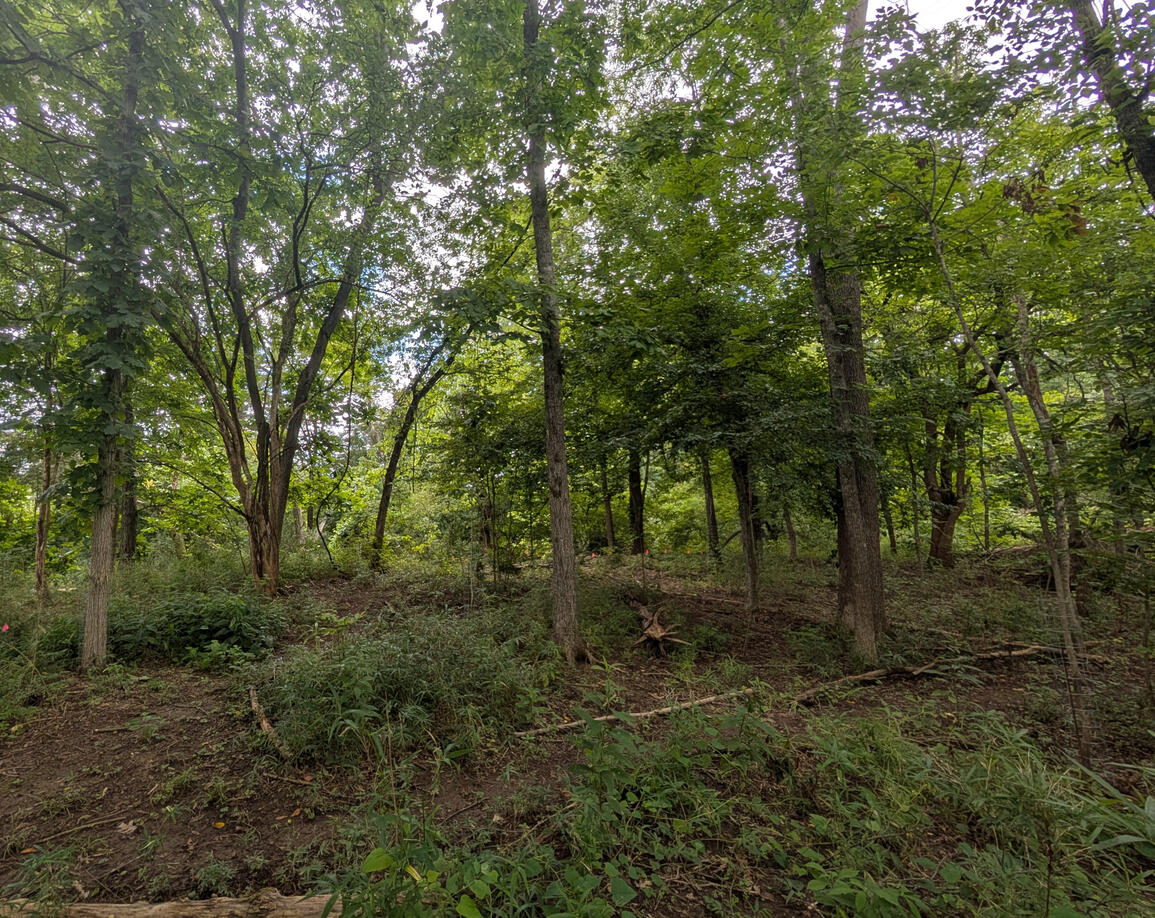
Removing and managing the dense populations of invasive bush honeysuckle and privet, as well as suppressing vines, is the first step in creating that open woodland habitat. Over time, trees will be culled out, either by us or the beaver in the area. This will allow us to focus on quality of trees over quantity, and keeping tree species that reflect a fire managed open woodland. The creation of an environment with less competition for resources, such as sunlight, water and soil minerals, will allow the remaining trees to thrive.
_
The photo above was taken the first spring after the invasive plant removal. Tree canopy thinning has not yet been implemented.
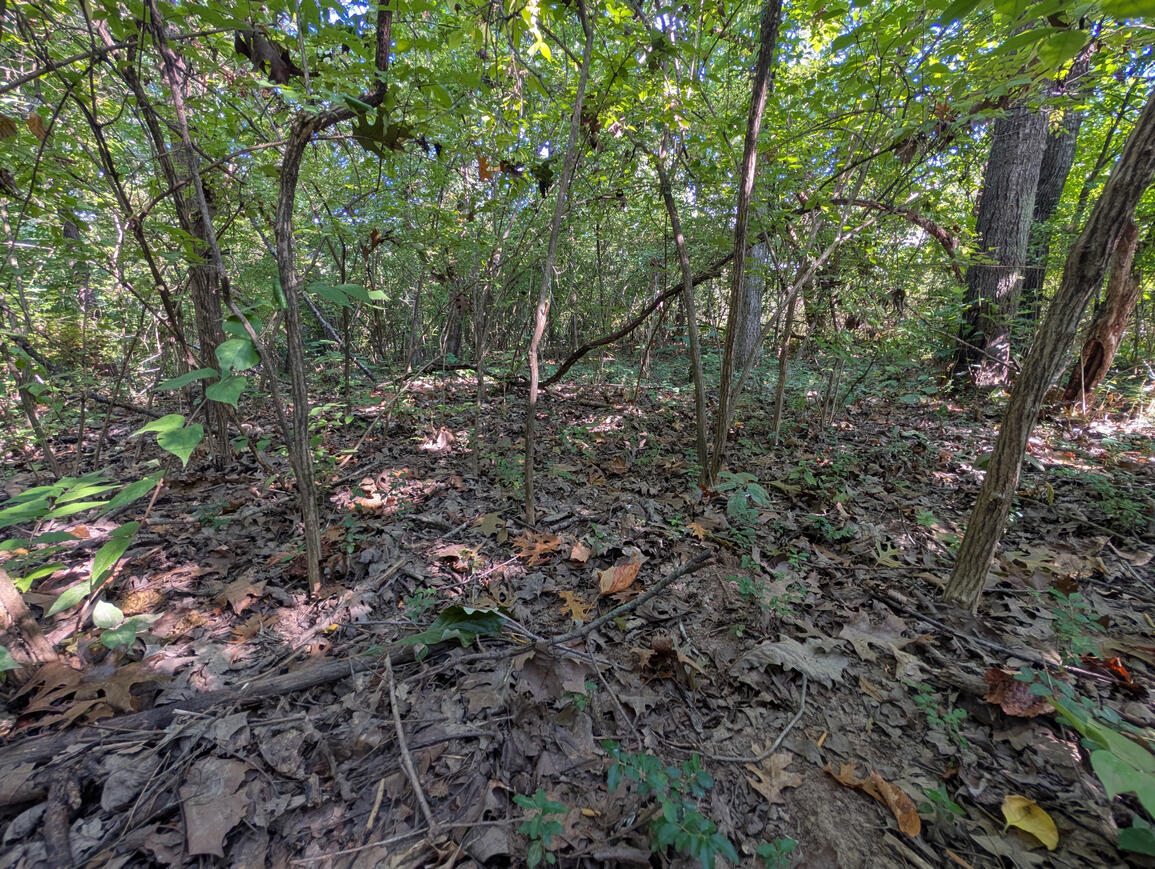
The dense shade created by the invasive plants left most of the ground layer without vegetation. Encouraging the growth of native wildflowers, grasses and rivercane below this more open tree canopy is the second step restoring these areas to a healthy ecosystem. Having a dense ground layer of vegetation will help slow water movement during the high water events, allowing sediment to be captured and rebuild our top soil layer.
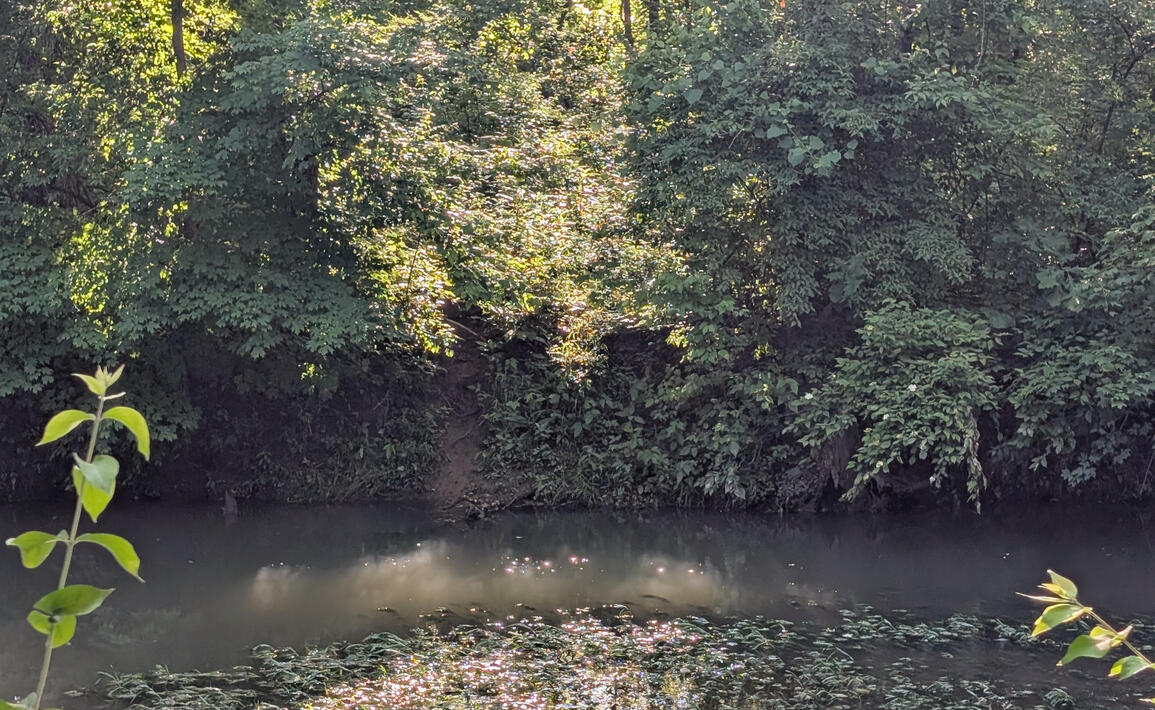
The creekbank, which is highly eroded, will have live stakes installed during the winter months. Live stakes are stem cuttings of specialized native trees and shrubs that, once pushed into the soil to a certain depth, will generate root systems. The root growth of these plants will help hold the soil in place, limiting erosion. The top growth of these plants will also help to create shady, cool conditions along the creekbank, which are important areas for fish and other wildlife within the creek.
-
The photo of creek bank erosion above was taken from the opposite side of Cedar Creek, of our Mt. Juliet site next to the soccer fields, prior to invasive plant removal.
Site History Sources:
Restoration Resources:
Site Progress Report
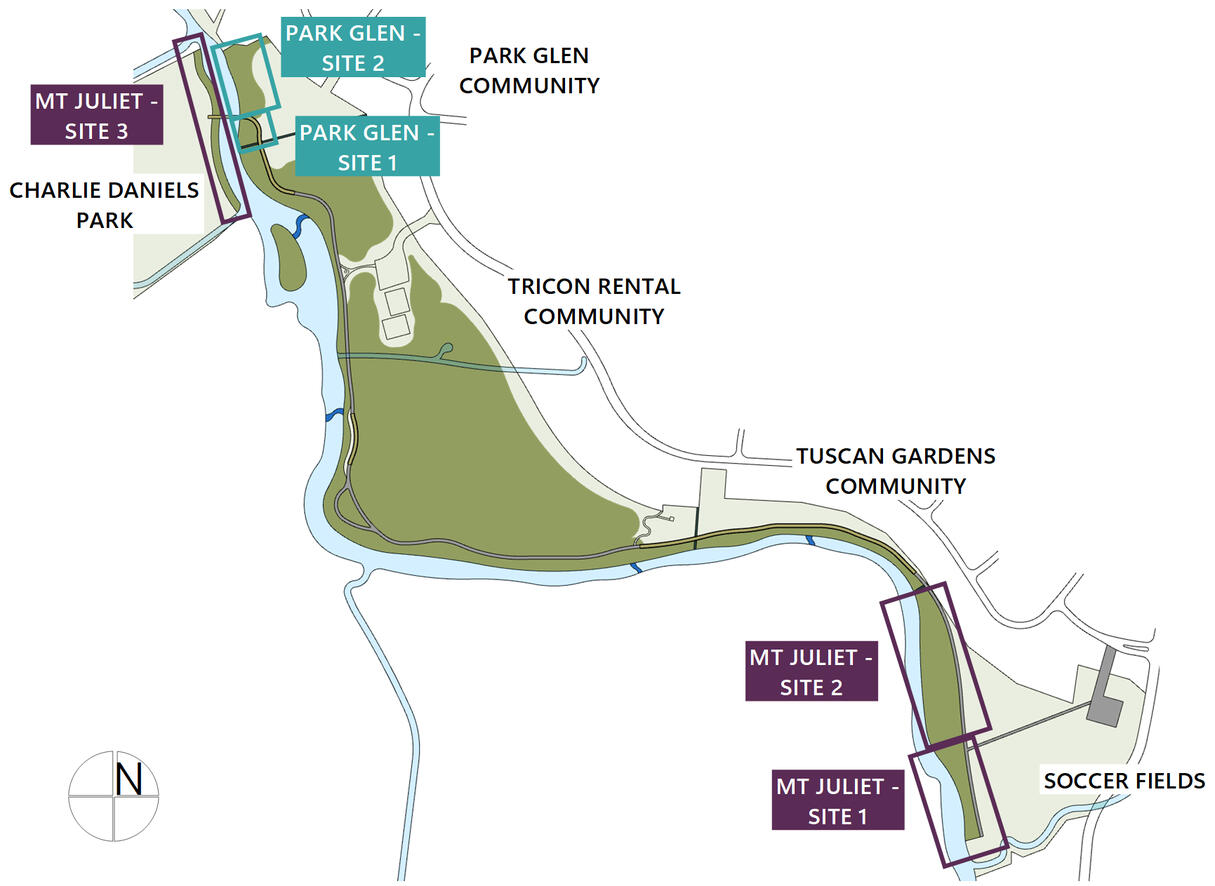
Mt. Juliet - Site 1
Invasive plant removal events started in November of 2025 and have continued to take place. A tree map and inventory has been performed. Protection against beaver damage has been installed on select, healthy tree species. Erosion control seeding will be installed in October 2026. Creekbank erosion control buffering with live stakes is scheduled to take place in early 2027. Native wildflowers will be seeding in spring of 2027.
Mt. Juliet - Site 2
Invasive plant removal events started in September of 2026. Tree mapping, survey and protection from beaver will be implemented in the months to follow. Creekbank erosion control buffering with live stakes is scheduled to take place in early 2027. Native wildflowers will be seeding in spring of 2027.
Park Glen - Site 1
Work here began in September 2026. Removal of invasive plants and the first thinning of the trees to allow sunlight to enter the area to encourage understory growth have been completed. Tree mapping, survey and protection from beaver have also been completed. The installation of underrepresented understory trees and shrubs, along with wildflowers to increase plant diversity, ecological benefits, aesthetic value and decrease erosion will be installed October 2026. Native wildflowers will be seeding in spring of 2027.
Park Glen - Site 2
Scheduled to start in 2027
Tuscan Gardens Site
Land Management Plan to be finalized and scheduled.
Tricon Rental Neighborhood
Not currently participating in the Project.
What We've Done So Far
We've been very busy working towards our project goals. Check out some of our activities below.
Weekly Invasive Plant Removal Events
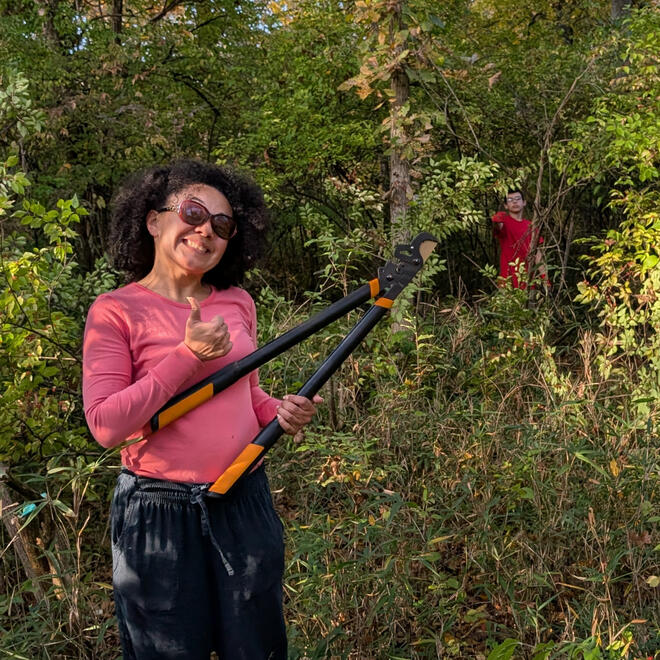
Our first work area next to the Mt. Juliet Soccer Club fields has been cleared of the majority of the large invasive plants. With the large invasive plants out of the way, sunlight is reaching the ground layer, promoting a resurgence of understory growth, including some wildflowers not yet seen anywhere else along the trail!
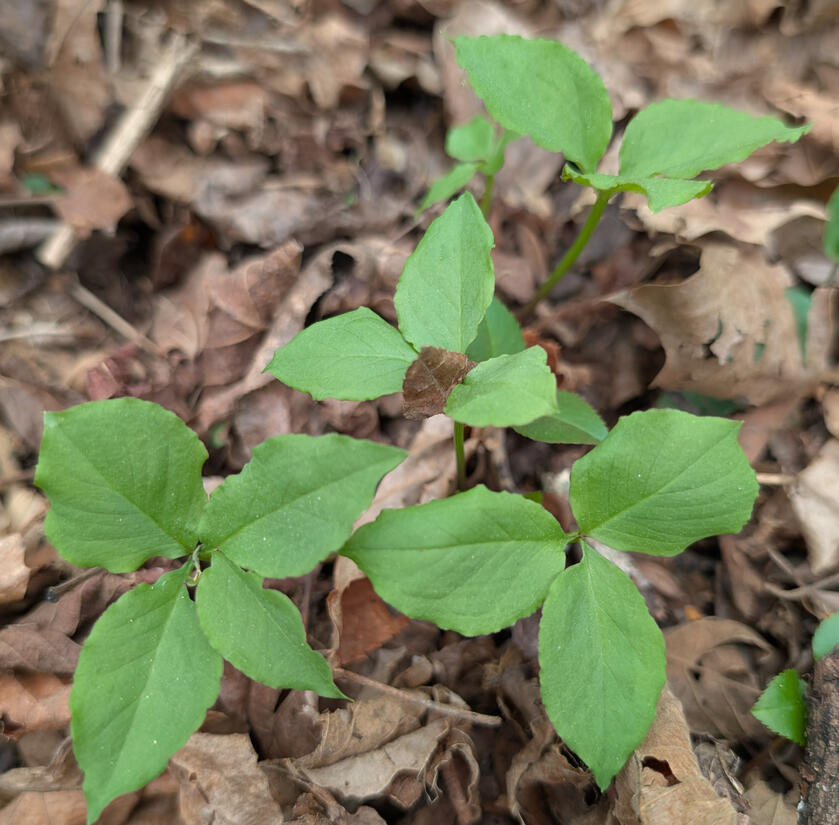
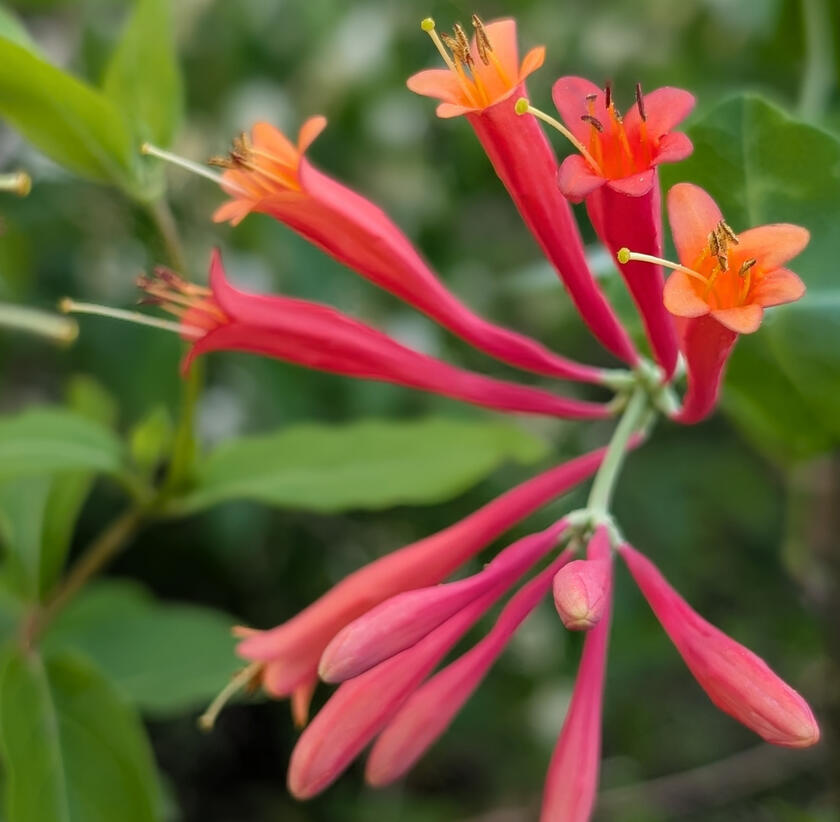
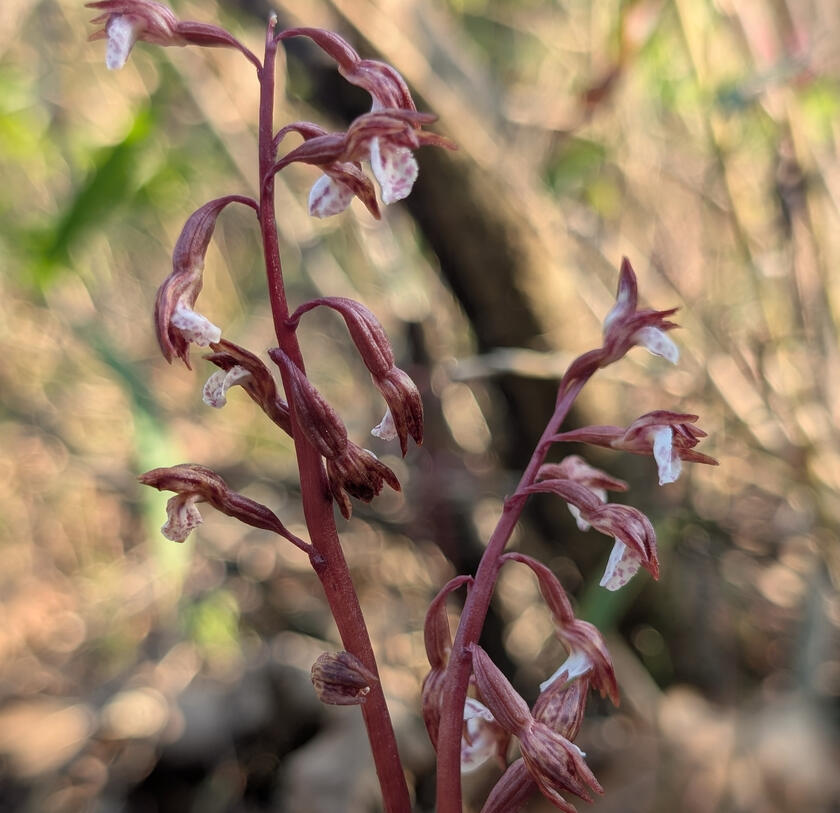
Jeff Steele, of Lebanon Birding Club and a Tennessee State Naturalist, joined our team and has been leading our educational Birding and Nature Walks. These walks take place on our 1.1 mile trail between Charlie Daniels Park and the practice soccer fields. Our walks are family friendly and geared towards sparking curiosity about life along the creek.
Nature & Birding Walks
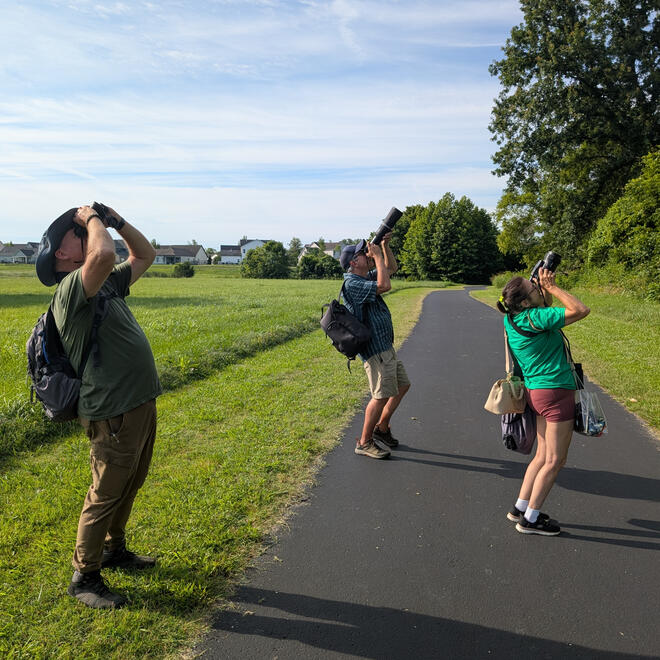
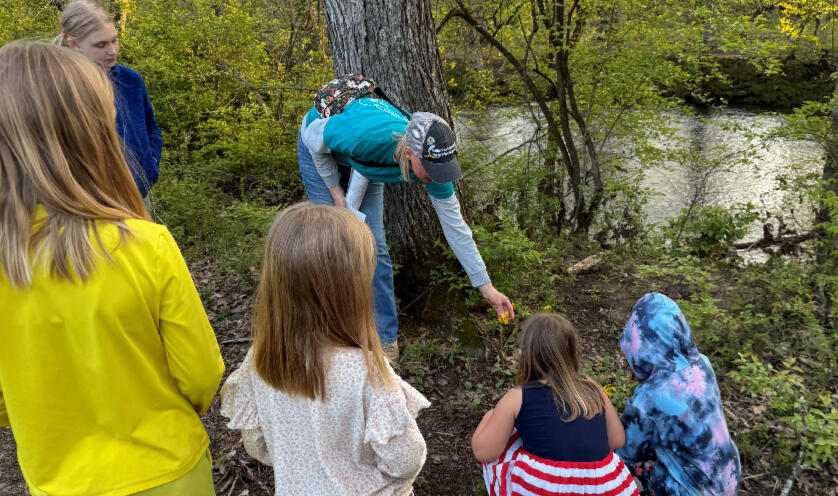
Earth Day Event 2026:
Trash Pick-up
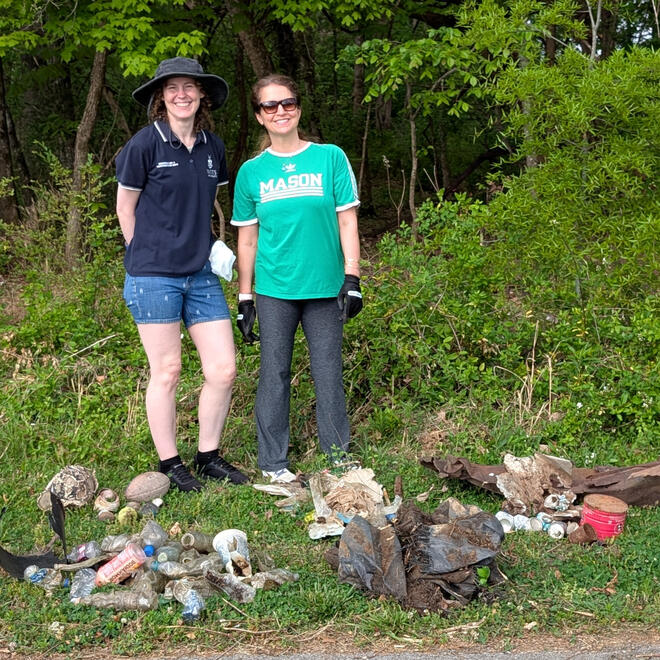
Trash pickup was our first Earth Day 2026 event activity. Our volunteers removed 42 plastic bottles, 18 cans, 11 sports balls, 2 bags of trash, several pieces of metal and a car part. Cleaning up the space makes it safer and more enjoyable for humans to visit and for wildlife that live there.

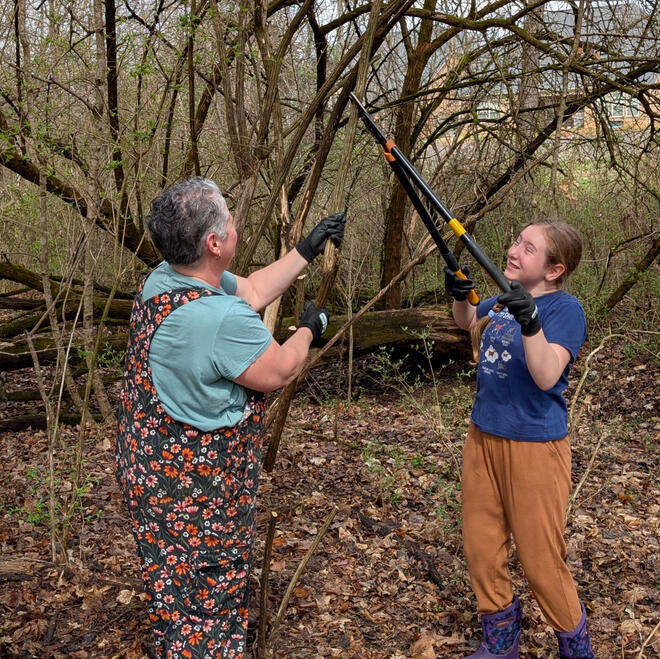
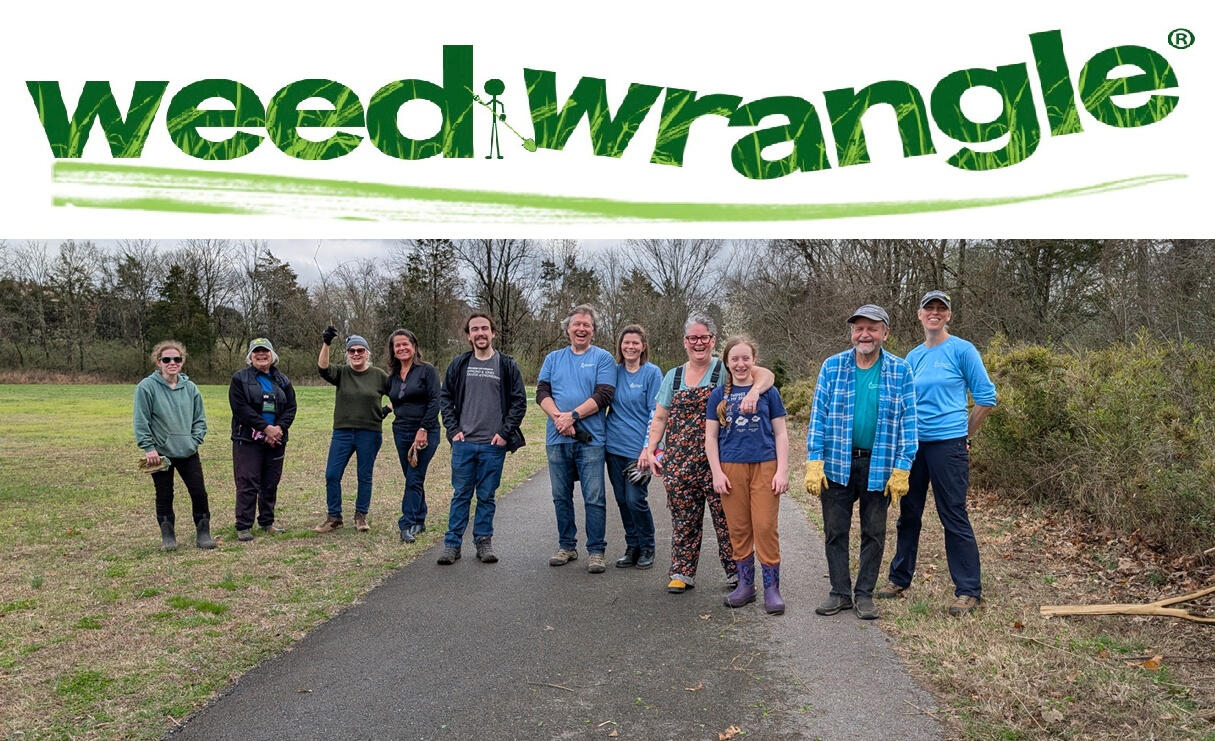
We are excited to have hosted our first Weed Wrangle® event March 2026, a program hosted by The Garden Club of Nashville, which supports invasive plant removal events in our public parks and green spaces. It was a great success!
Weed Wrangle® 2026
The Great Tree Hunt 2025
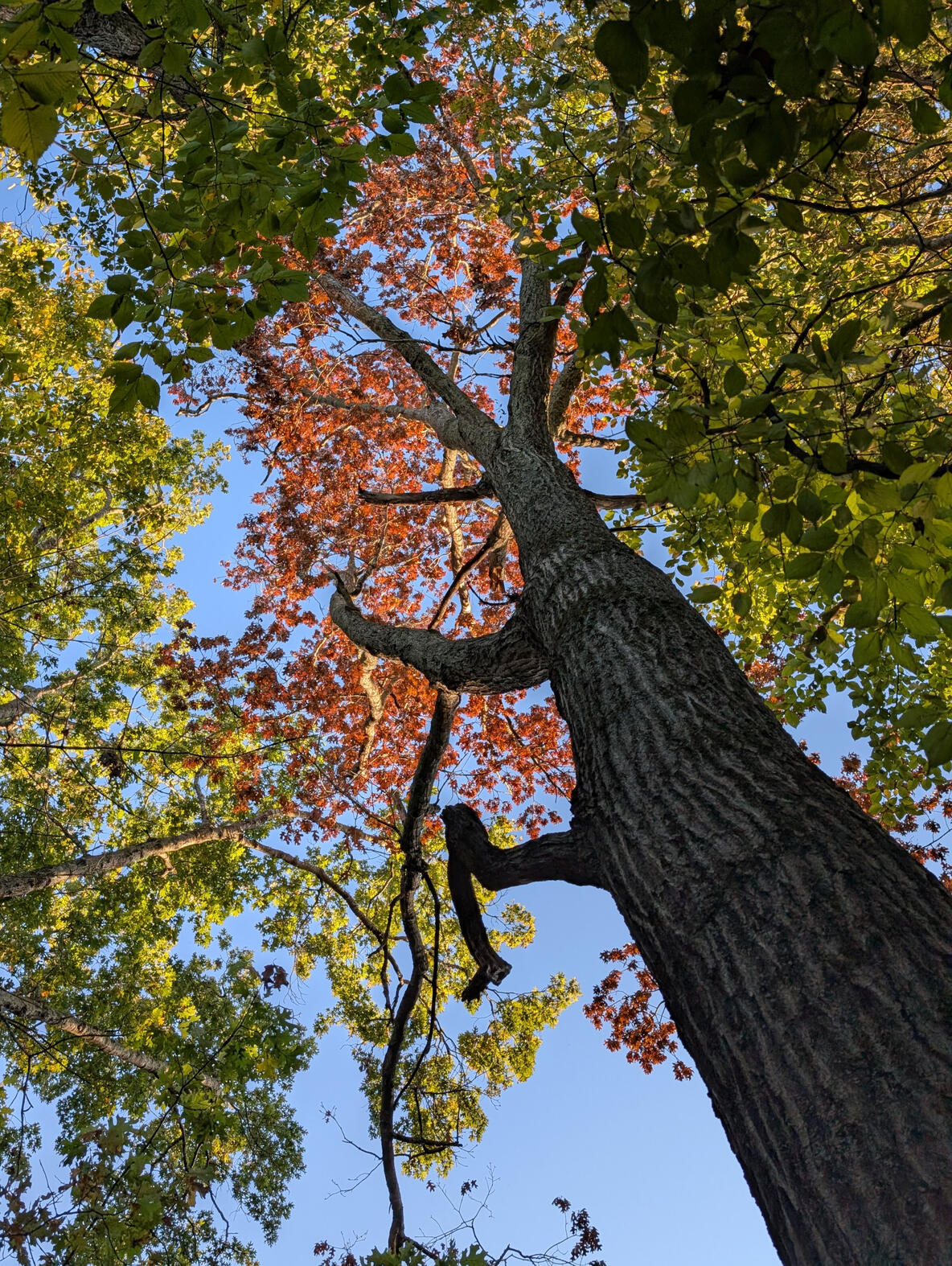
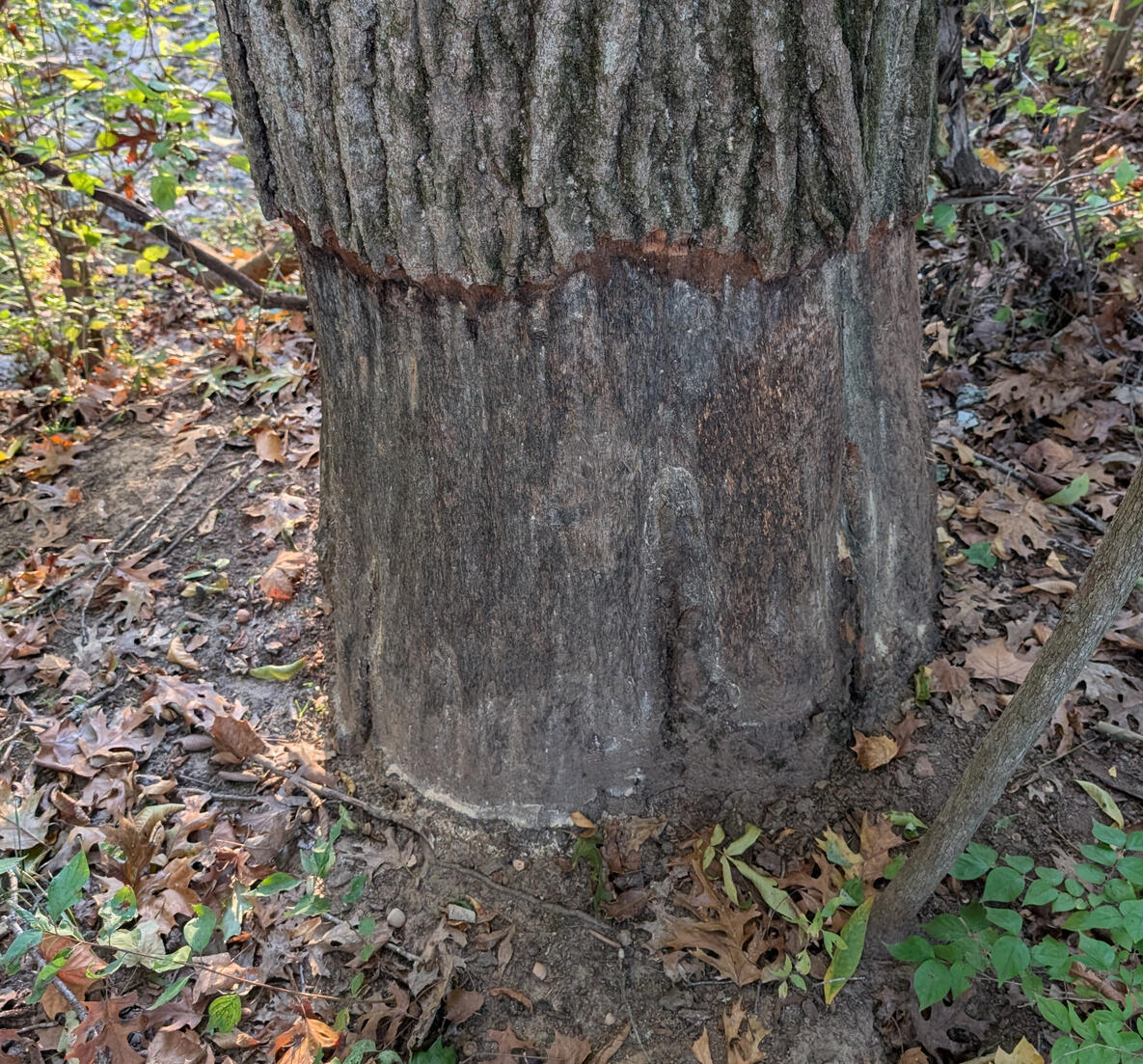
Our first volunteer event, "The Great Tree Hunt", happened in November and December of 2025. In our Mt. Juliet Sites 1 & 2, we put beaver protection on trees species that are particularly vulnerable to beaver damage, protecting 40 trees in total. While we were at it, we cut down 263 large honeysuckle from the site, which were removed by the Mt. Juliet Parks and Greenways team.
Before and After Photo Gallery
Mt. Juliet - Site 1

Before - Nov. 2025

After - Nov. 2025
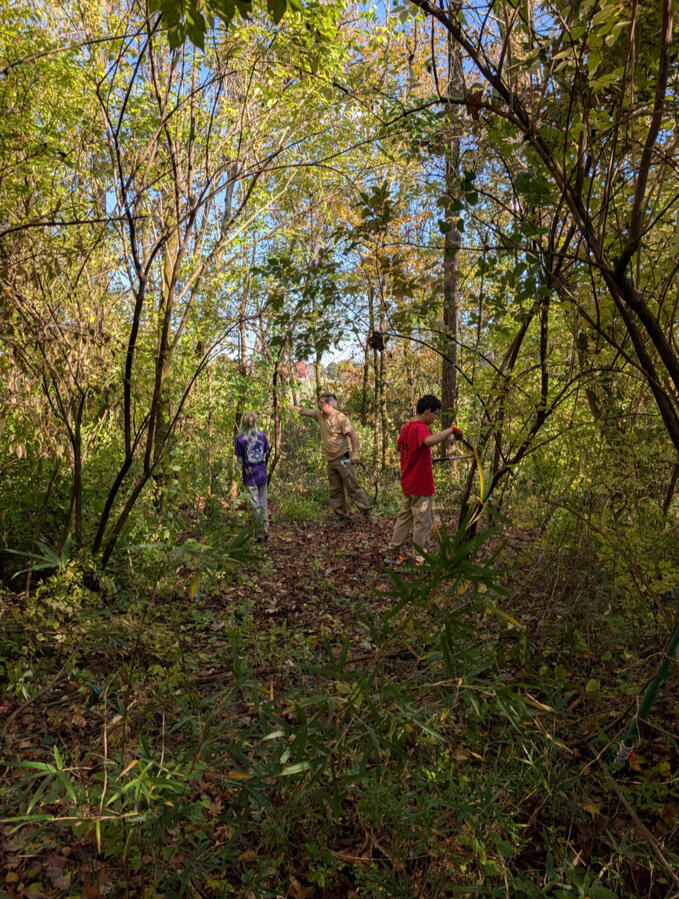
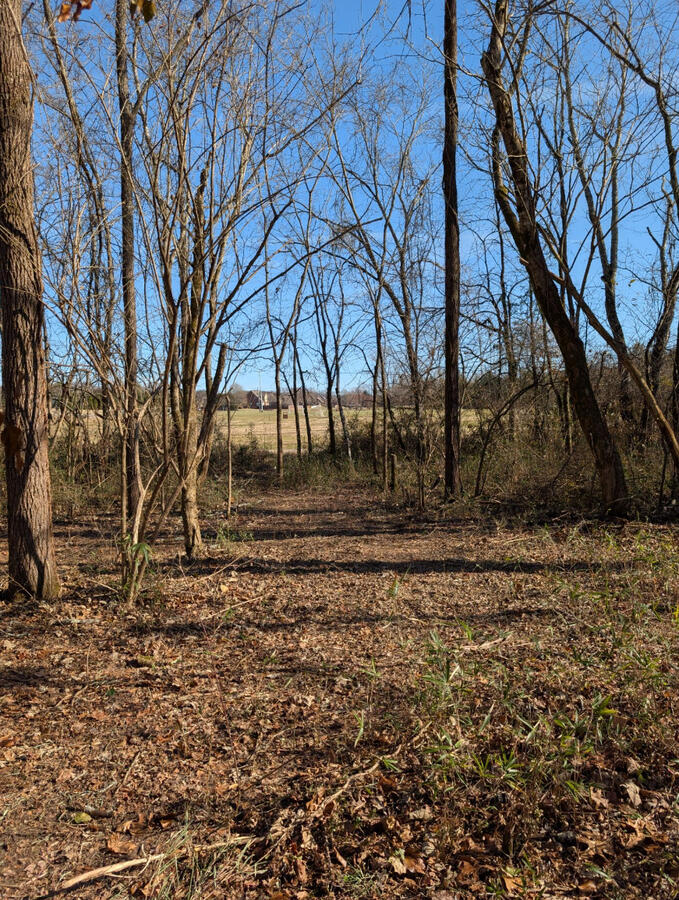

Before - Nov. 2025

After - Nov. 2025
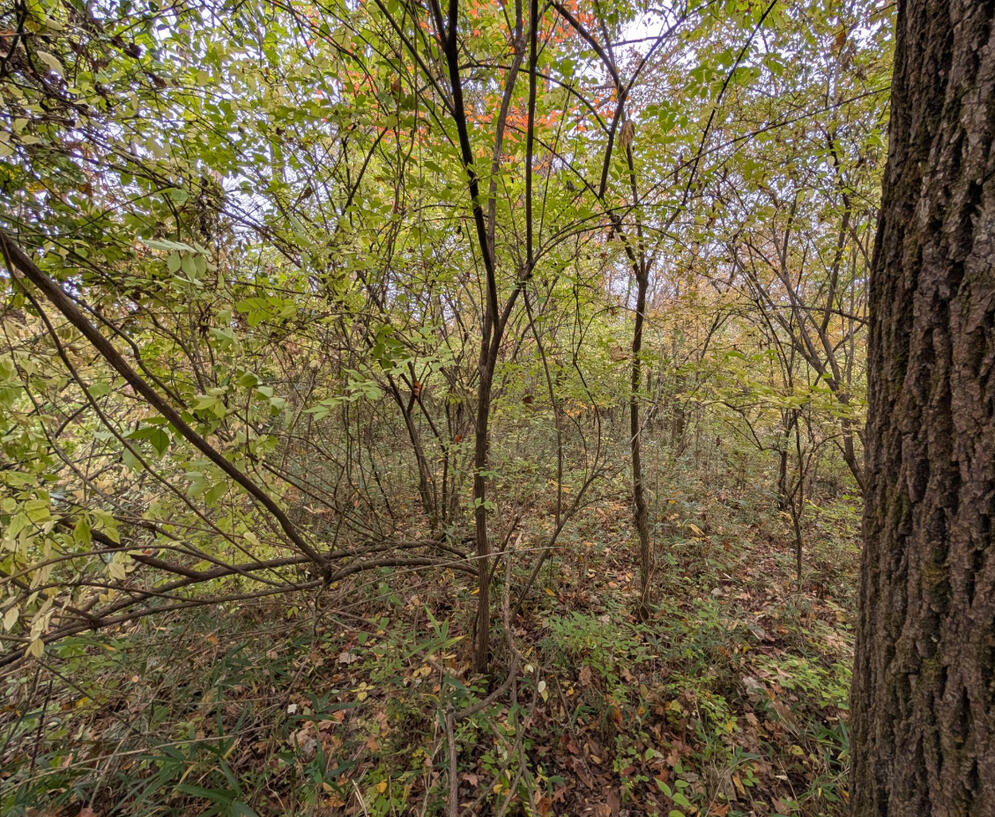
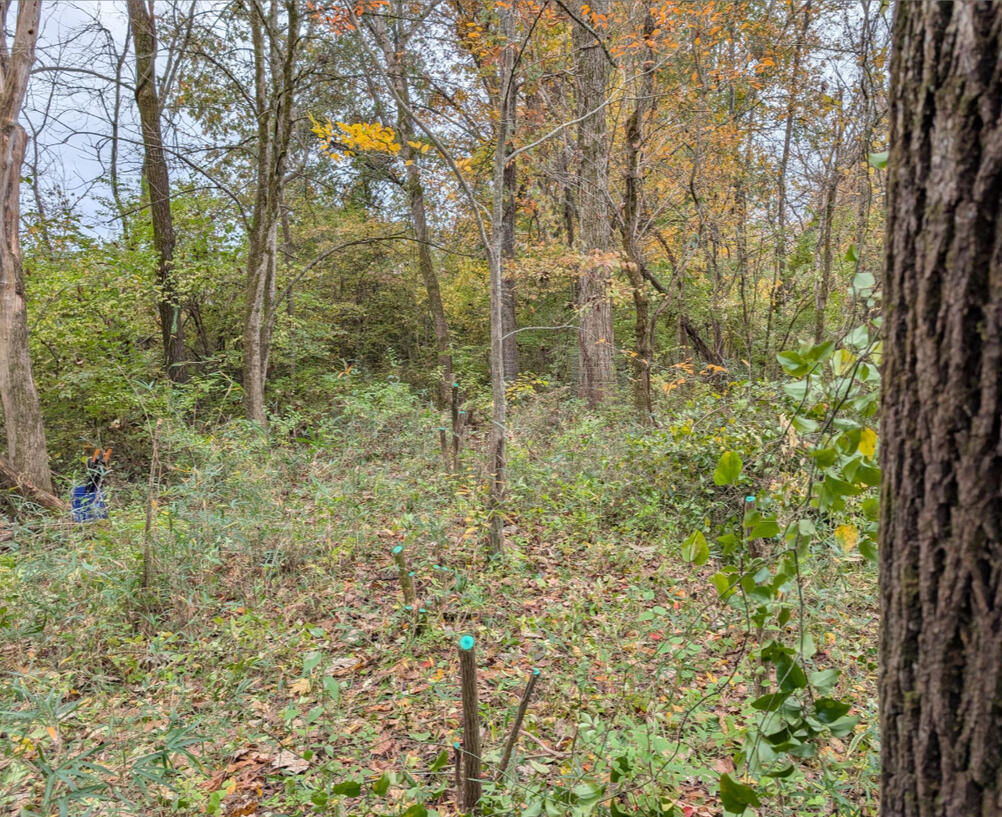

Before - Nov. 2025

After - Nov. 2025
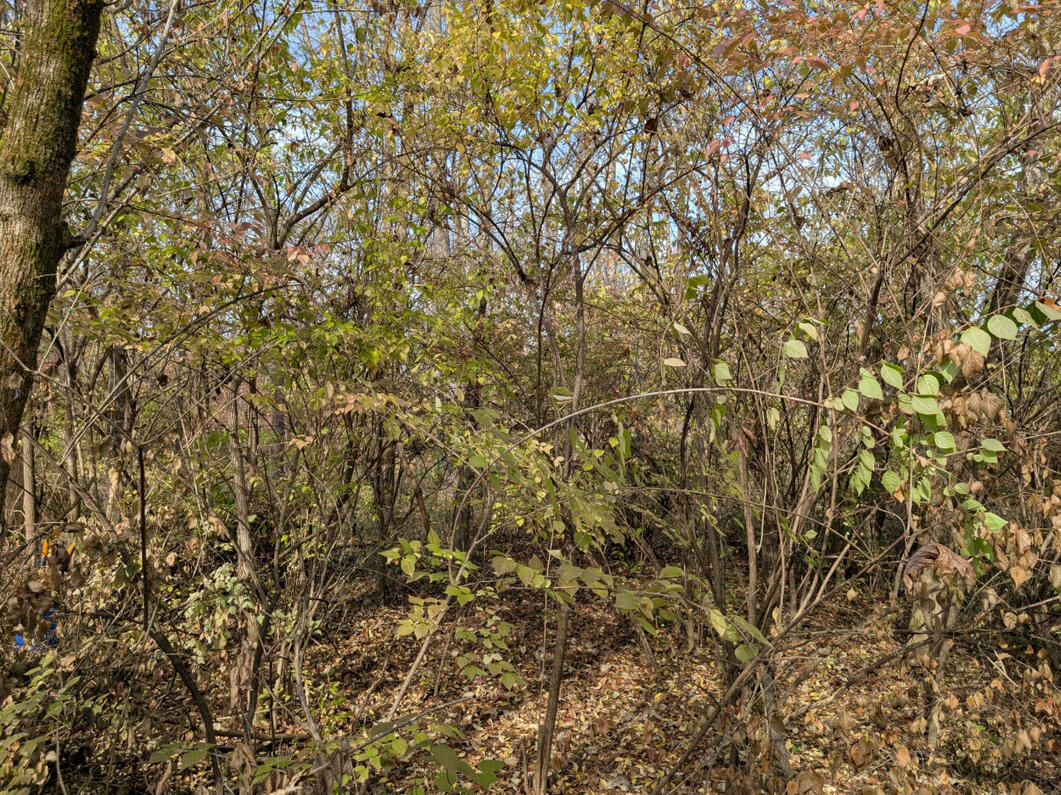
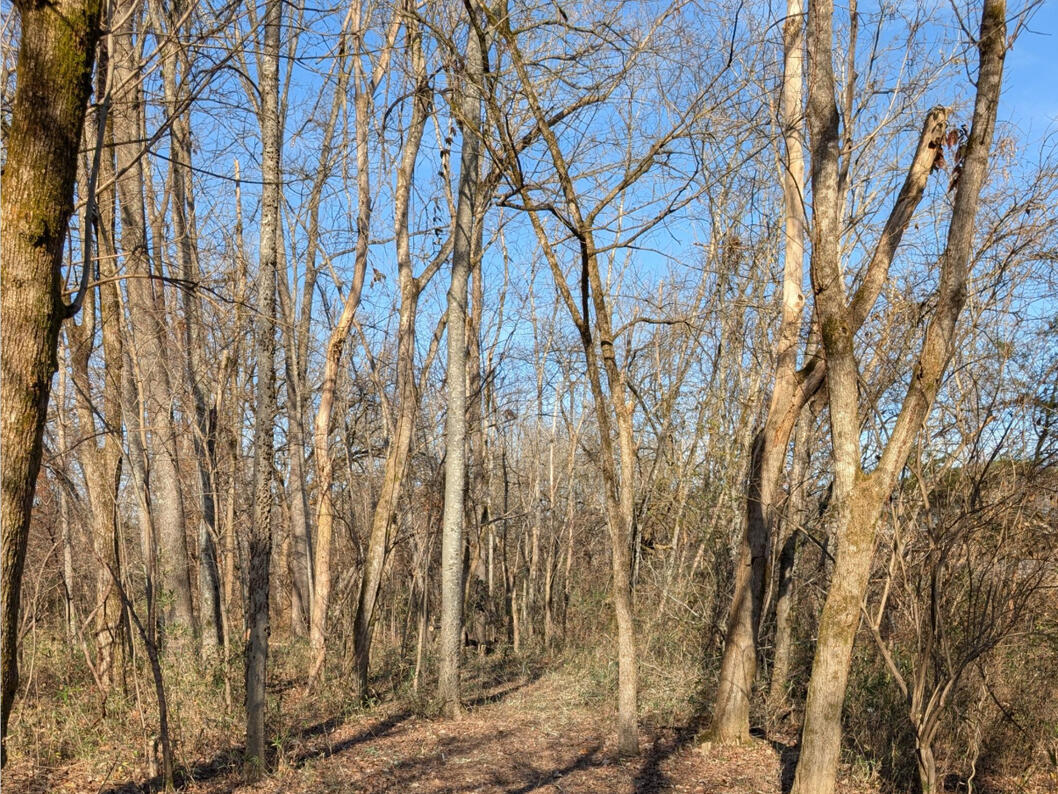

Before - May 2025

After - Aug. 2026
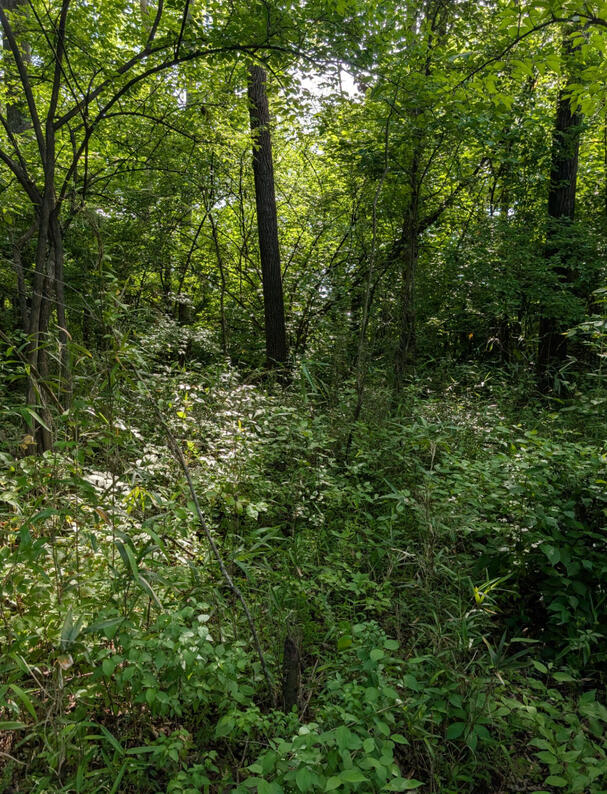
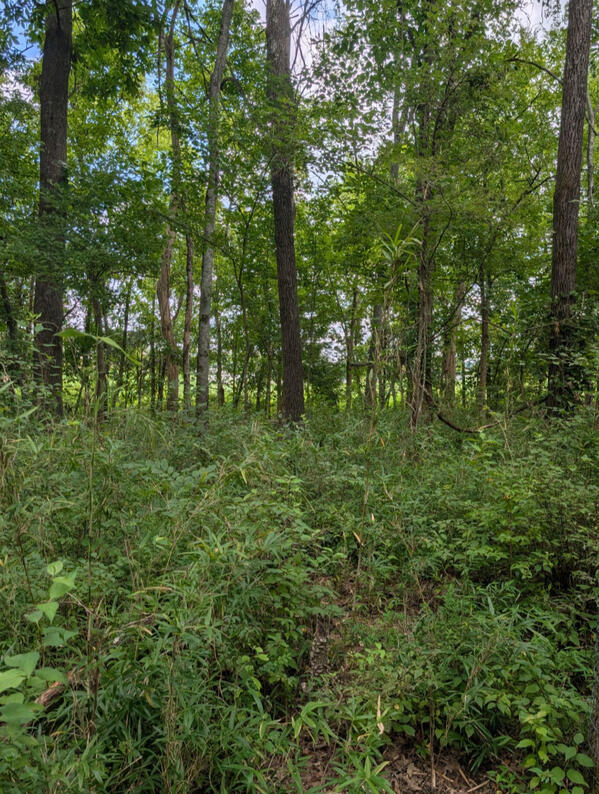

Before - May 2025

After - Aug. 2026
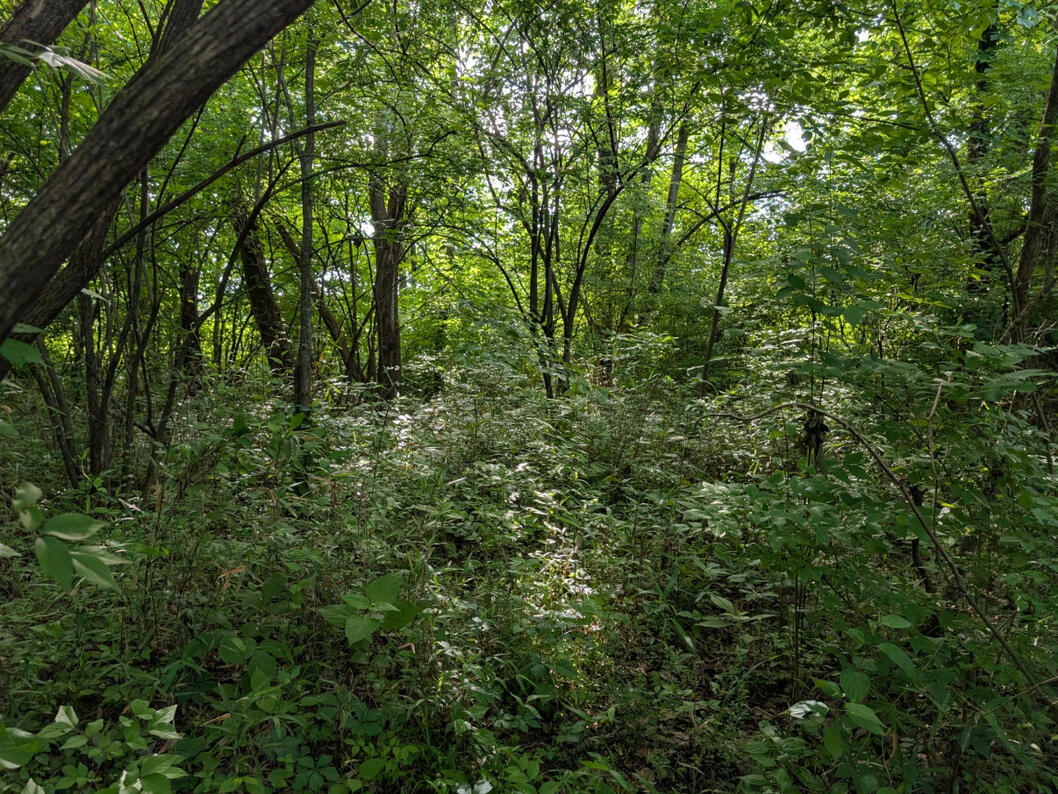
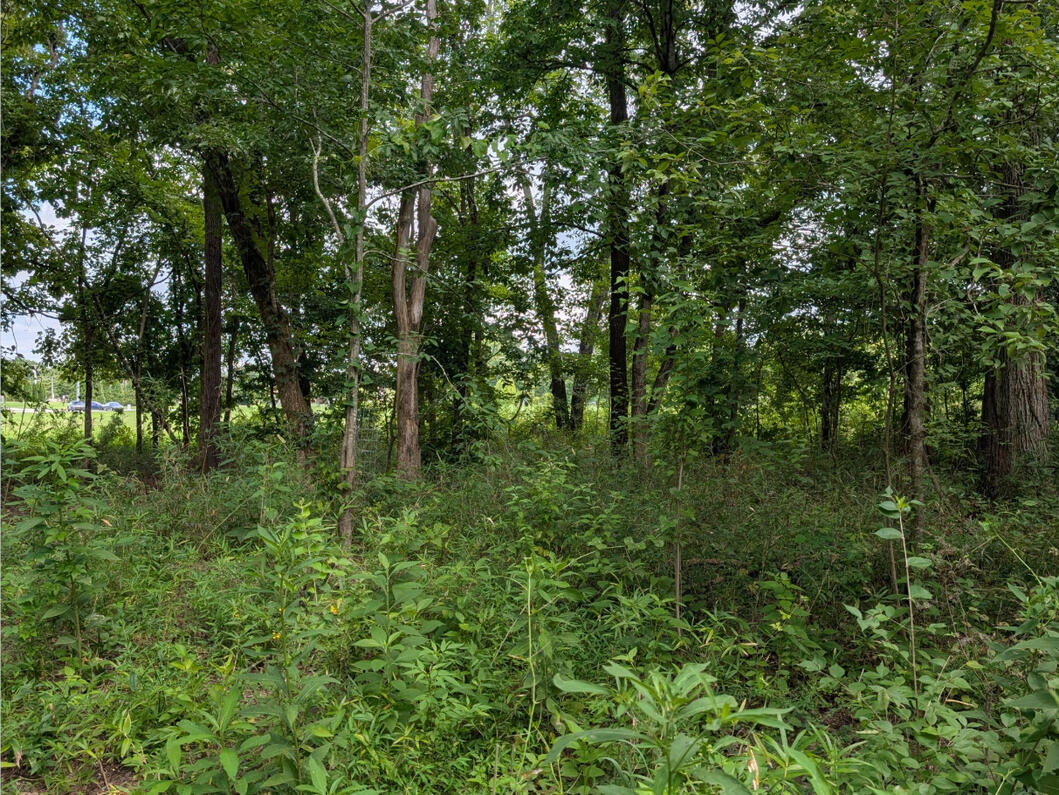

Before - June 2026

After - Aug. 2026
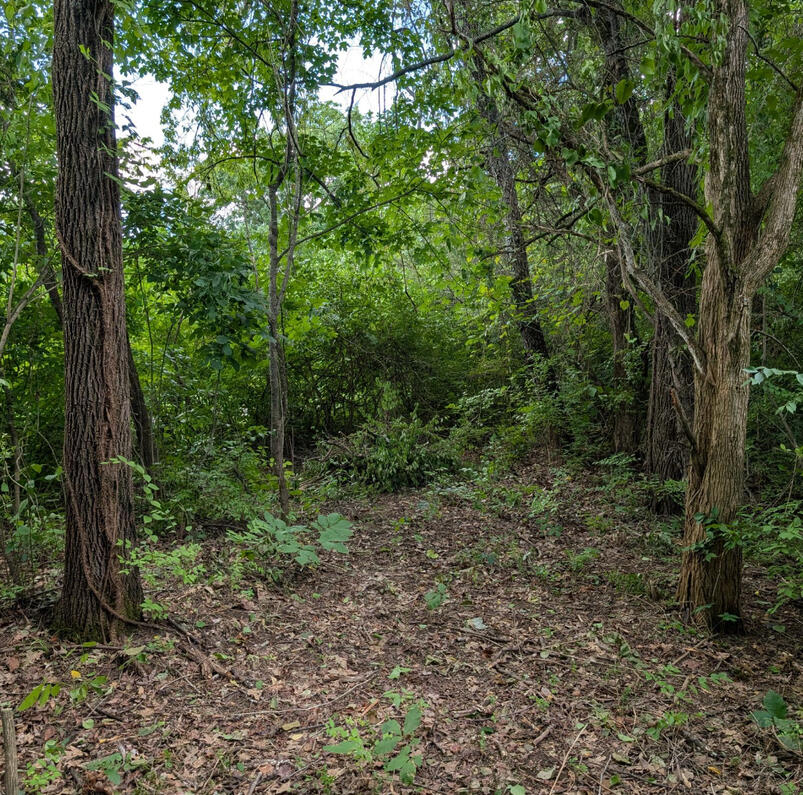
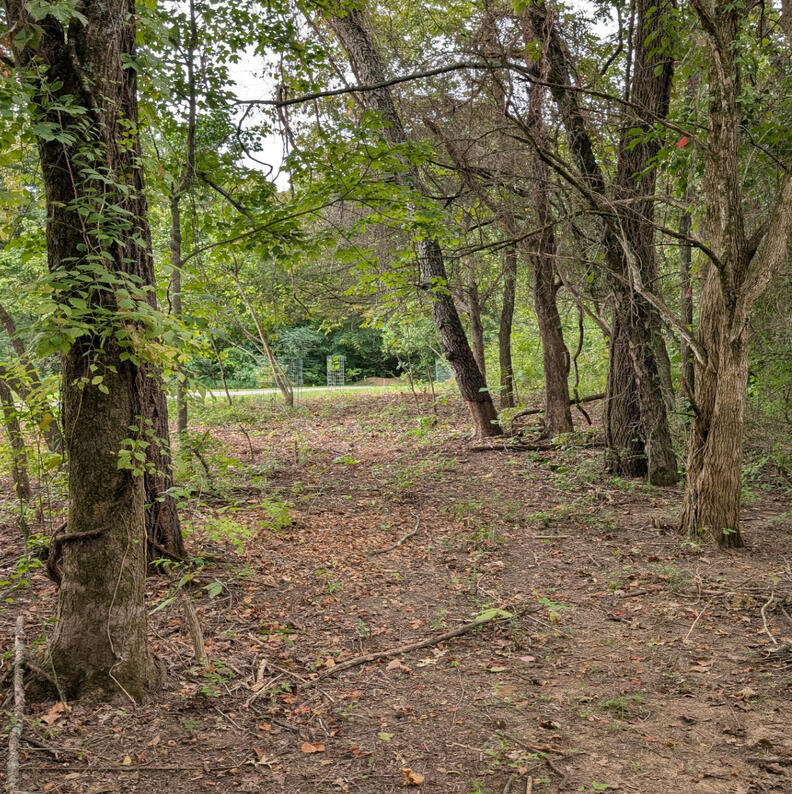

Before - June 2026

After - Aug. 2026
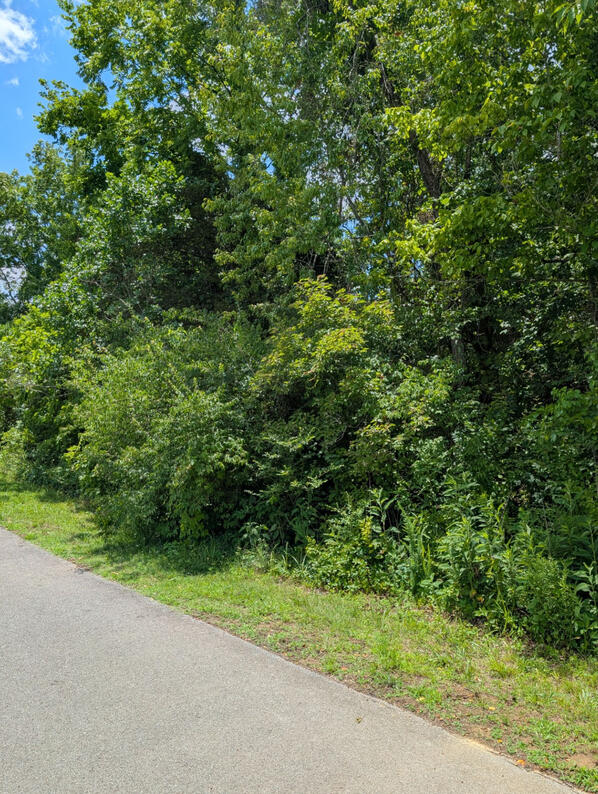
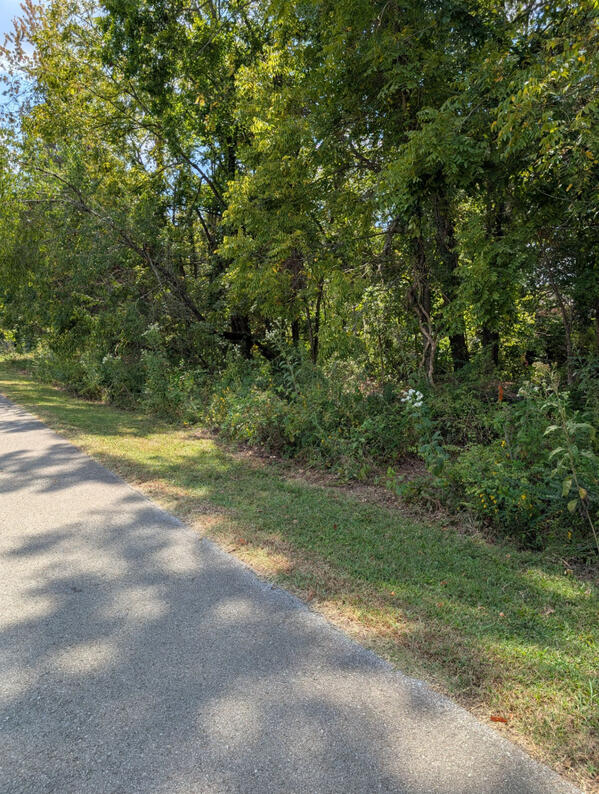
Stay tuned to see updates!
Plant and Wildlife Photo Gallery
Not all plants and wildlife found along Cedar Creek are included within this gallery.
Click the button below to see the full seasonal gallery.
Spring
Not all plants found along Cedar Creek are included within this gallery. Updates will be made as we discover more gems!

Spring Beauty

Beardtongue

Sweet Betsy Trillium

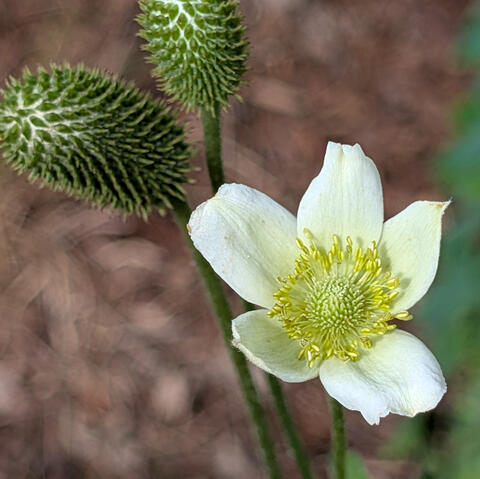
Thimbleweed

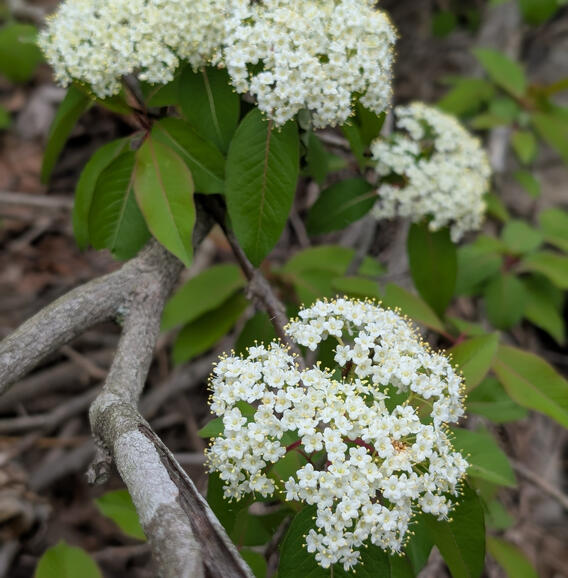
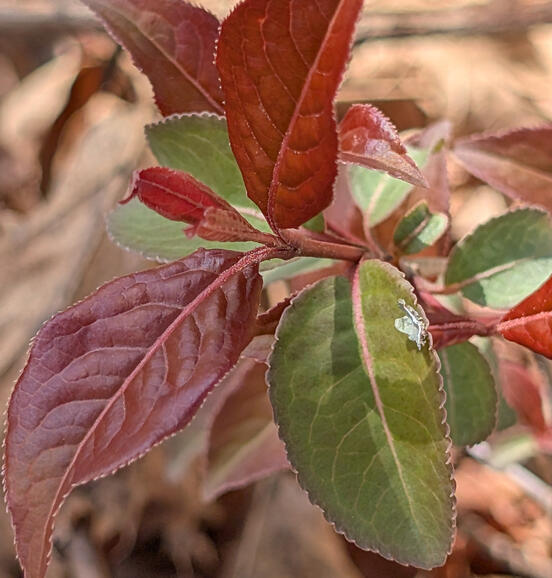
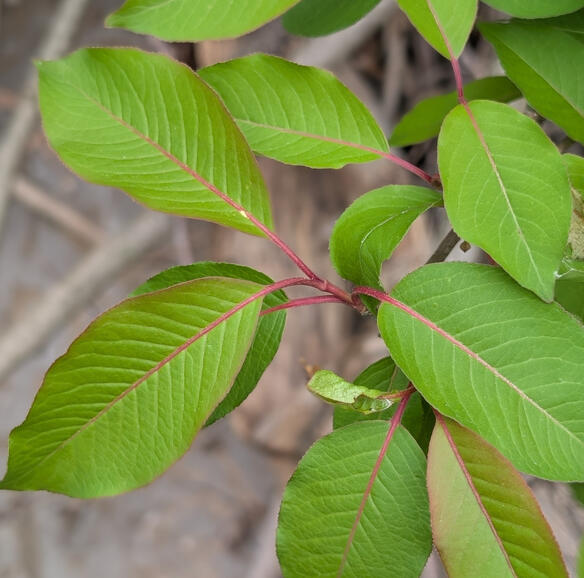
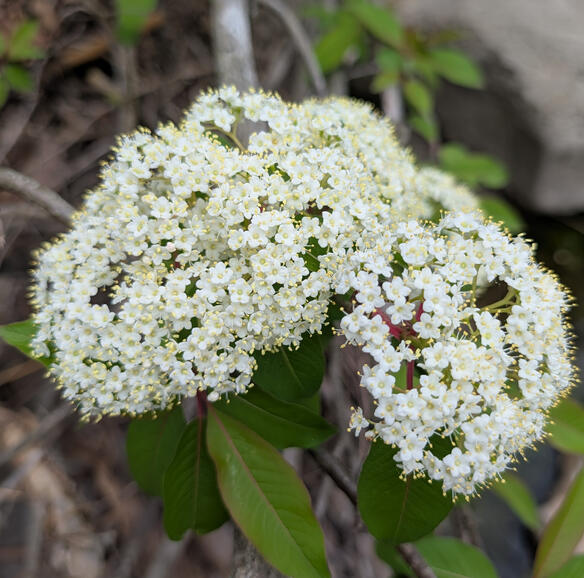
Rusty Blackhaw Viburnum

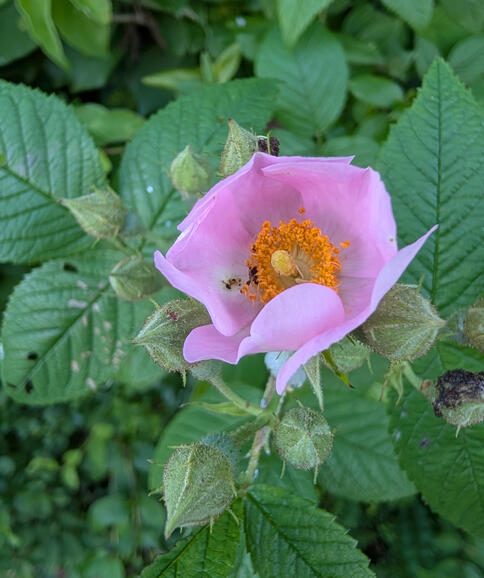
Climbing Prairie Rose

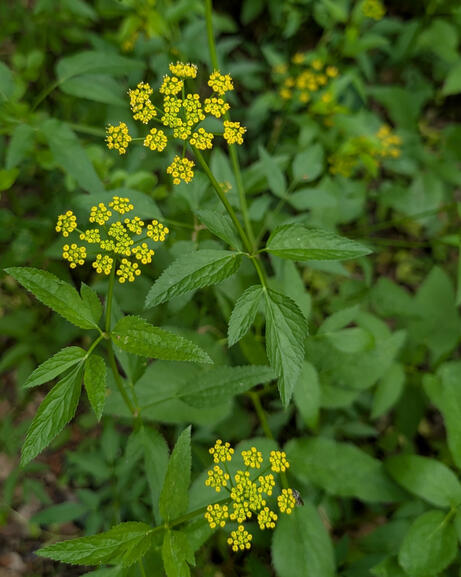
Golden Alexanders

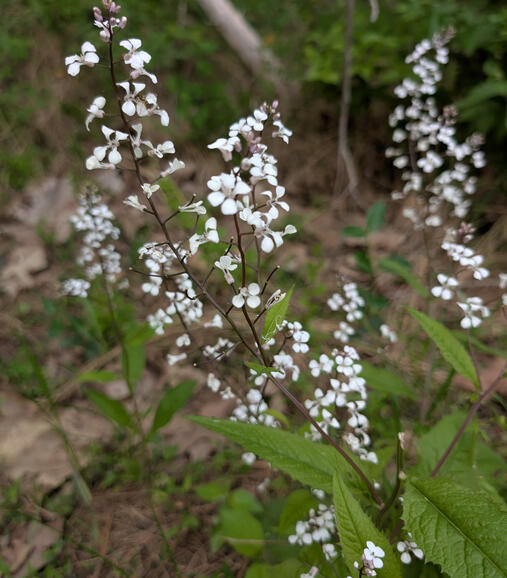
Purple Rocket

Venus's Looking Glass

Downy Wood Mint

Cross Vine

Smooth Wild Petunia
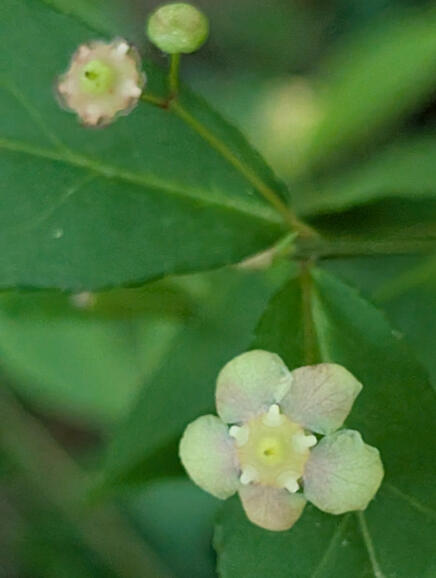
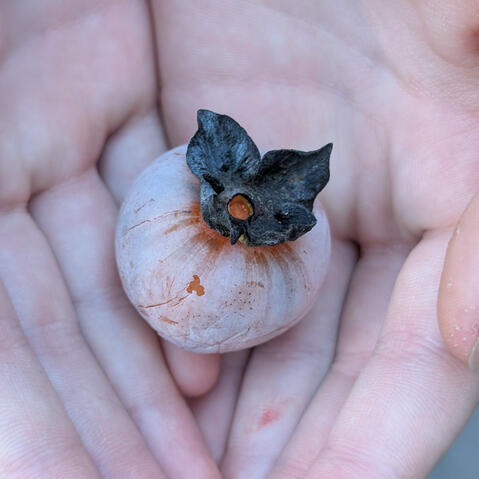
Strawberry Bush

Woodland Phlox

Miami Mist
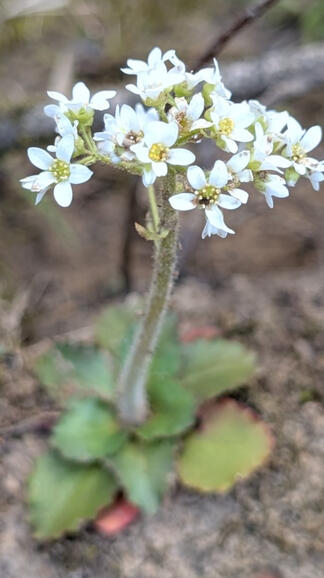
Virginia Saxifrage

Ohio Buckeye

Redbud

Aromatic Sumac

Butterweed

Wafer Ash

Coral Honeysuckle

Cupseed

Woodland Stonecrop

Bladdernut

Violet Woodsorrel
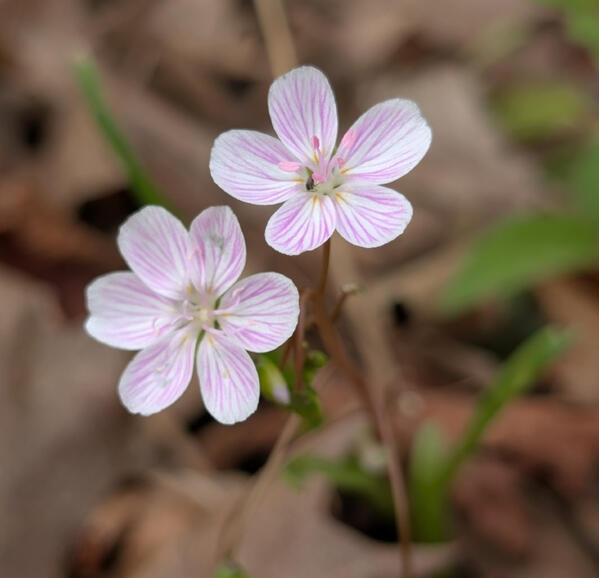
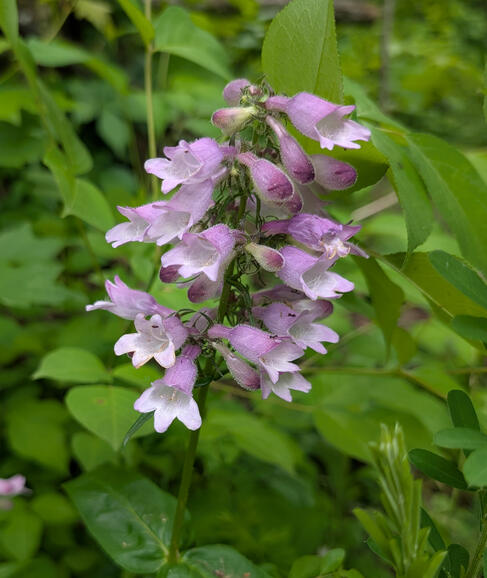
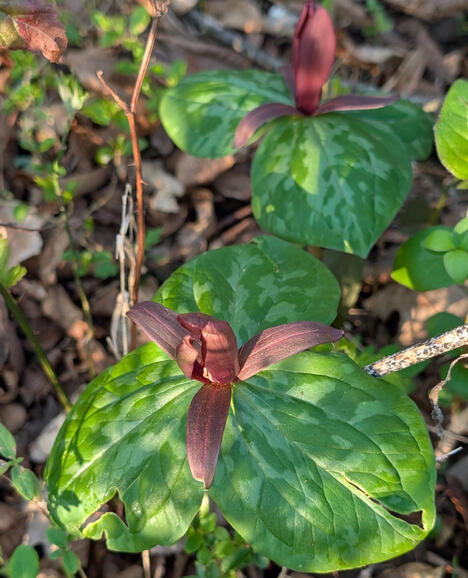
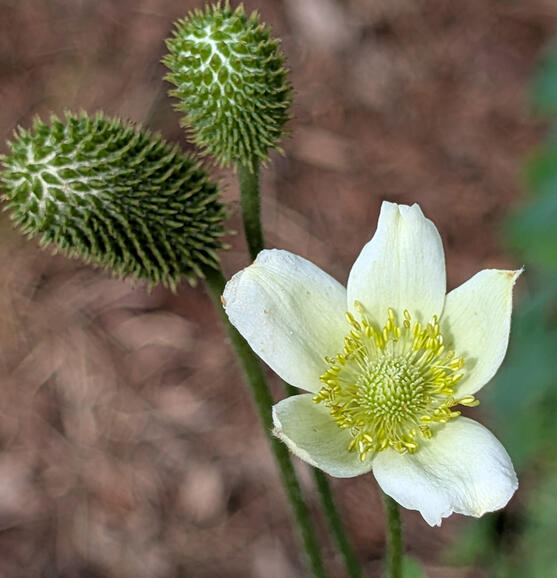
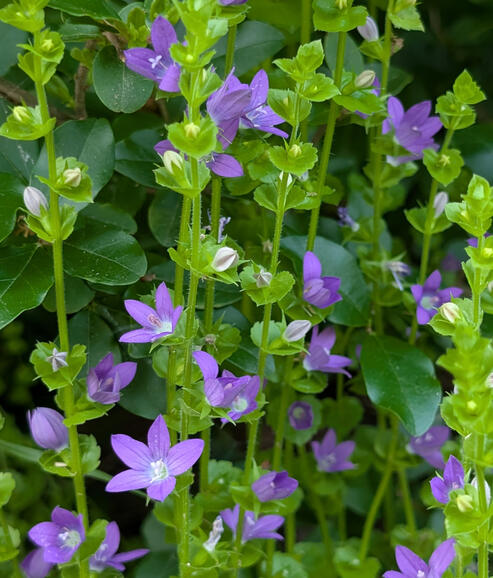
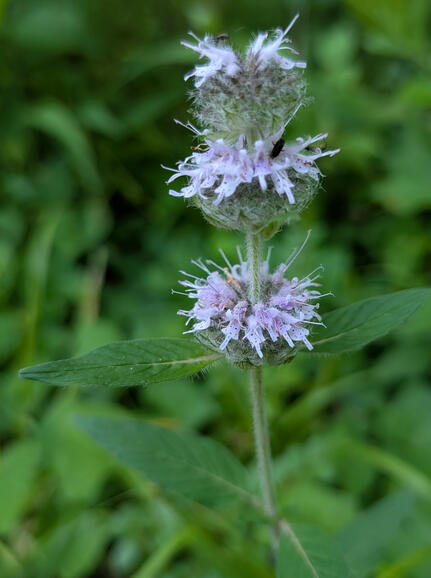
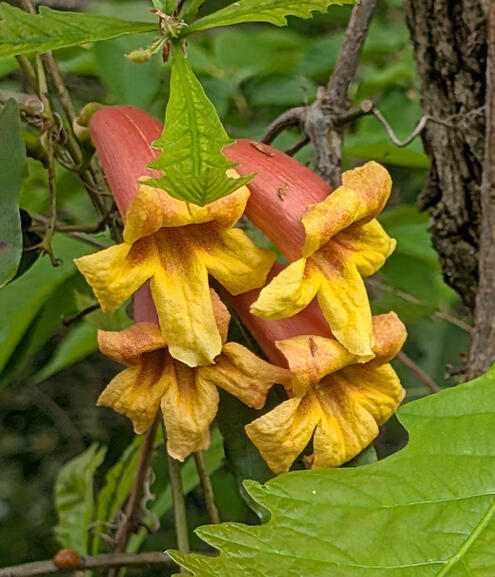
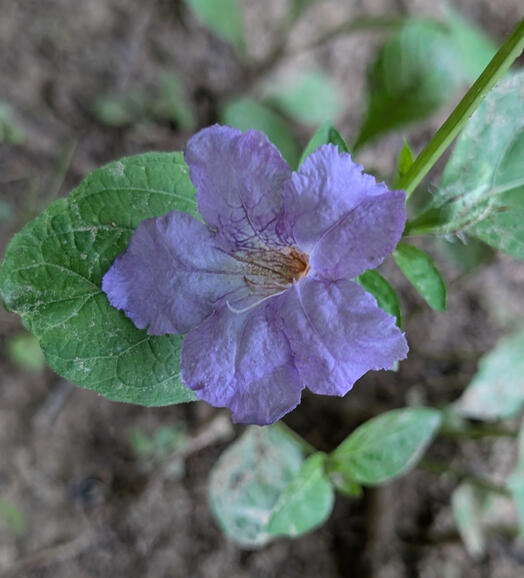
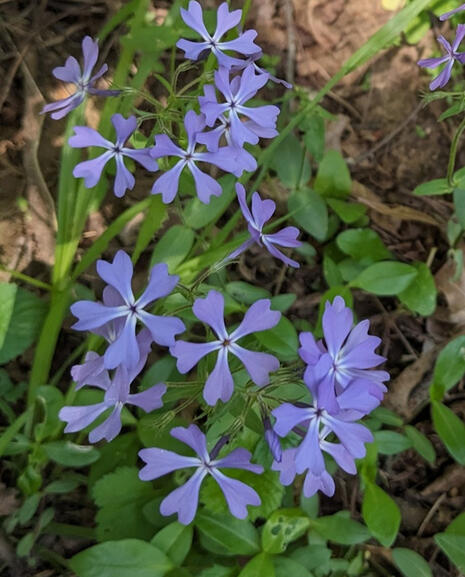
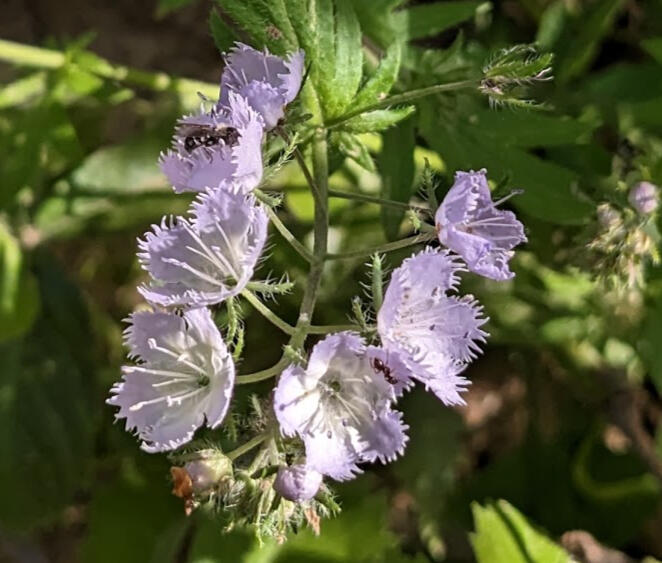
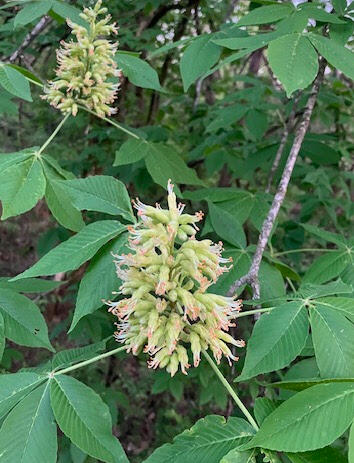
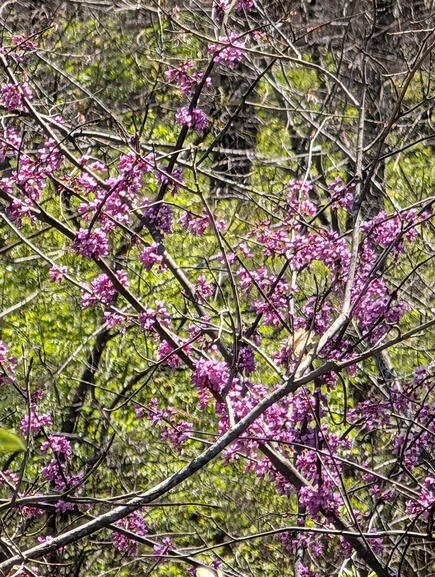
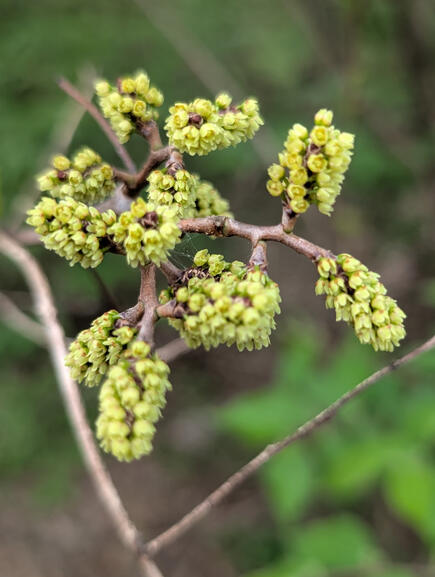
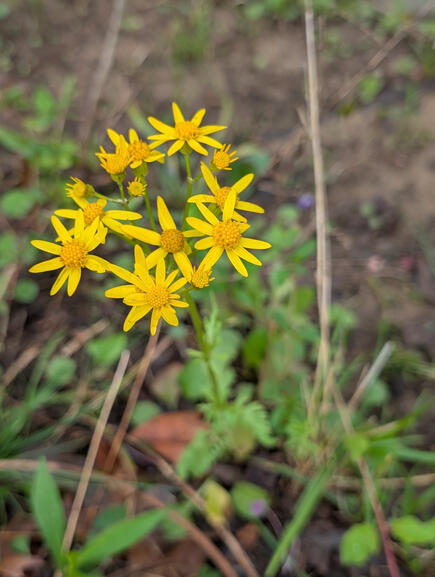
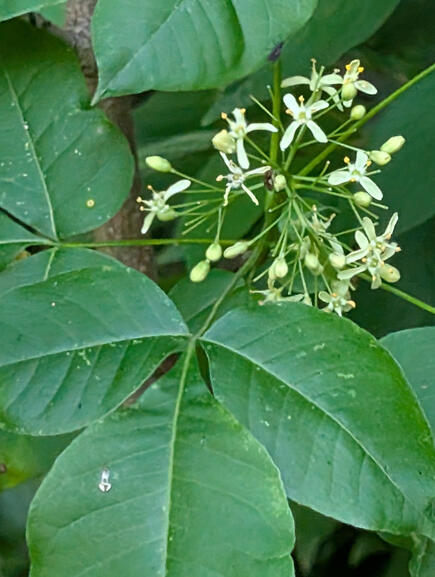
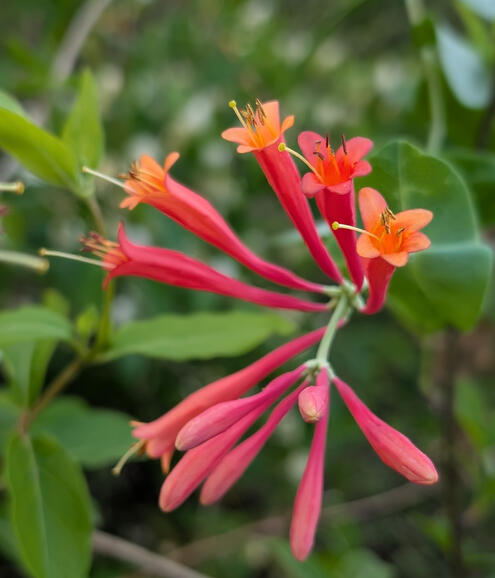
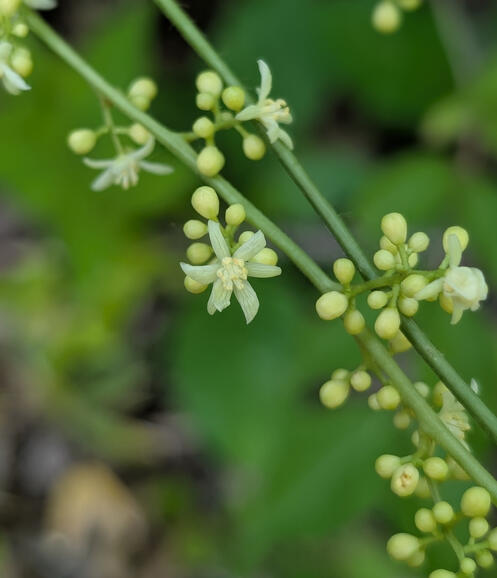
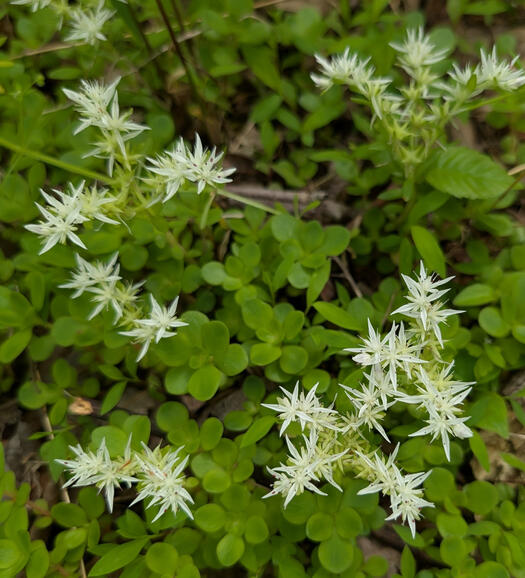
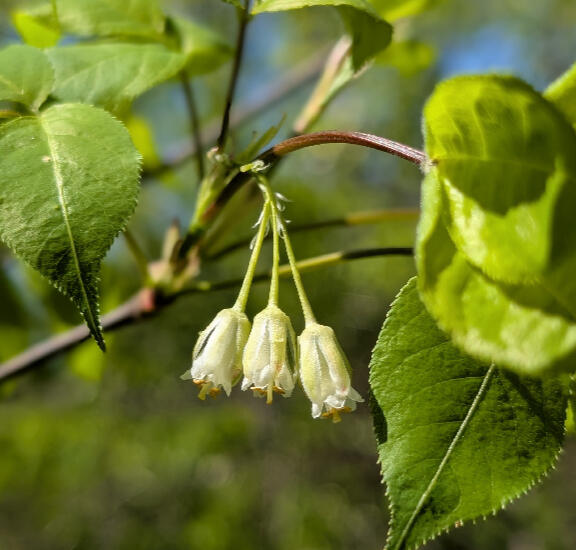
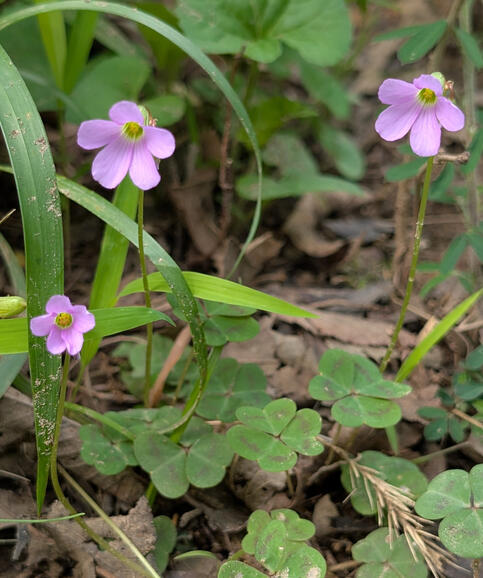
Click the buttons below to view other Galleries
Summer
Not all plants found along Cedar Creek are included within this gallery. Updates will be made as we discover more gems!

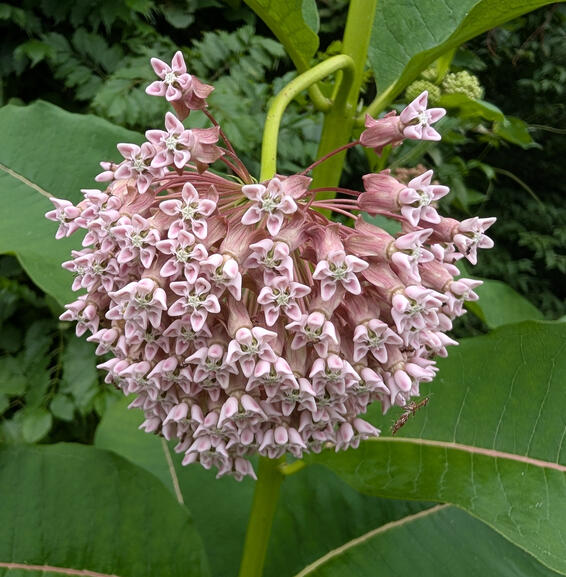
Common Milkweed

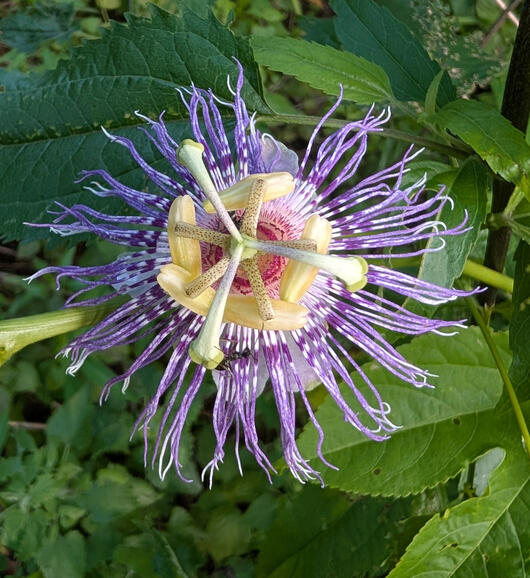
Passionflower

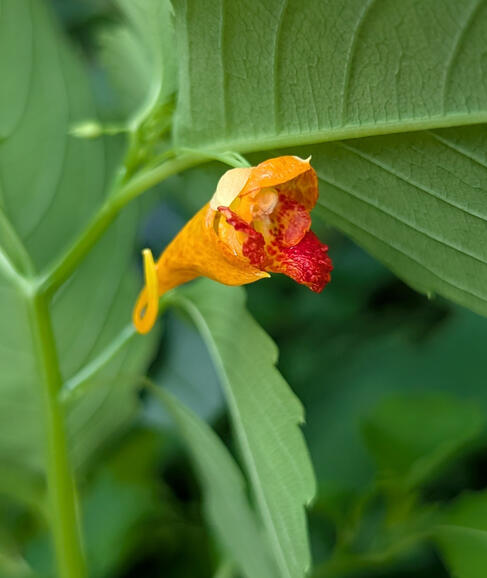
Touch-me-not

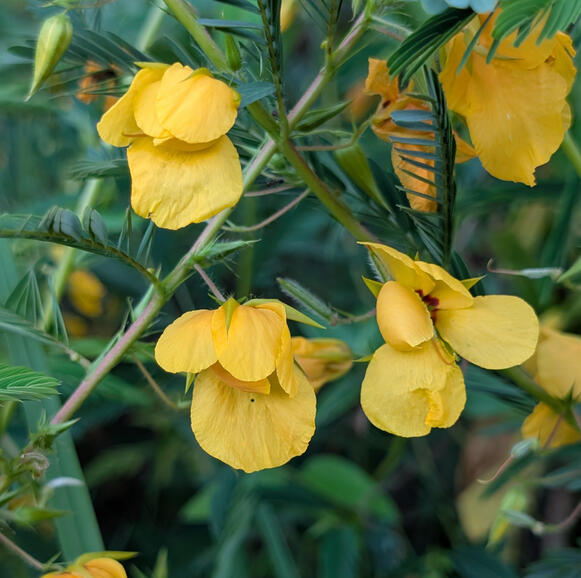
Partridge Pea

Wild Germander

Black-eyed Susans

Yellow Passionflower

Illinois Bundleflower

Trefoil

Field Thistle

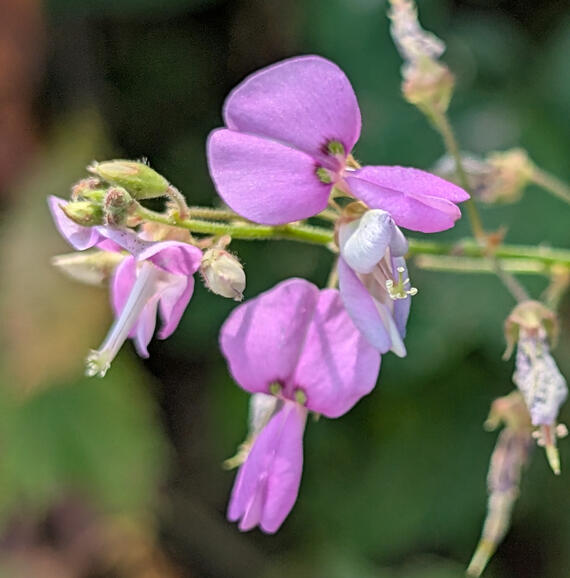
Ironweed

Sneezeweed

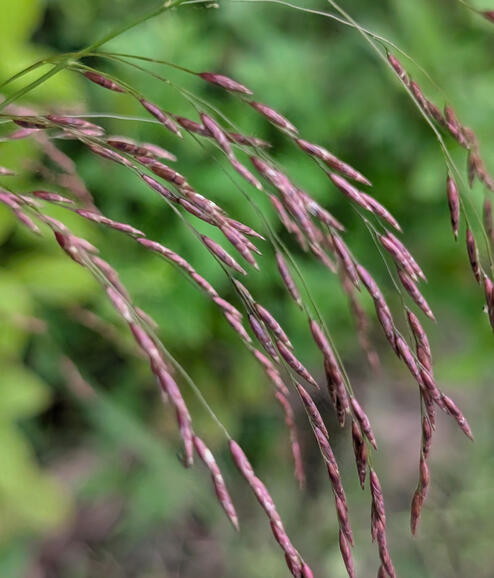
Purpletop Grass

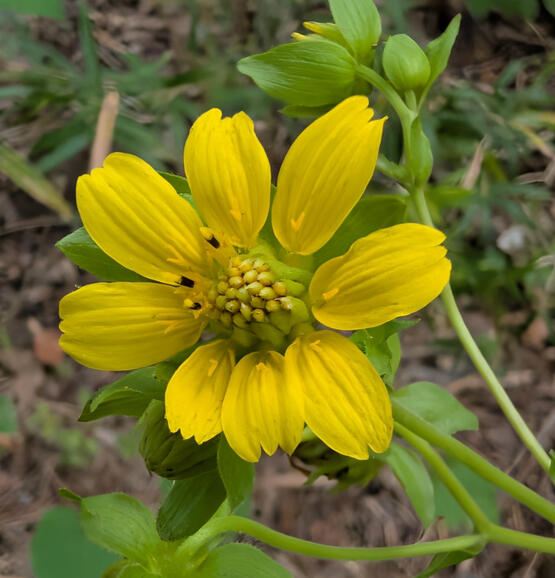
Bear's Foot

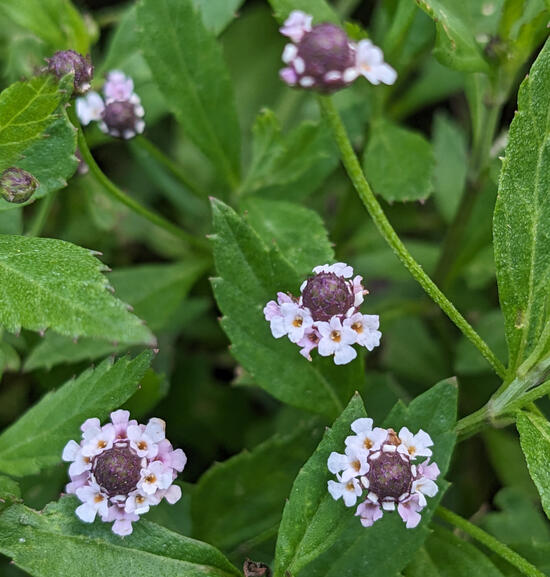
Frogfruit

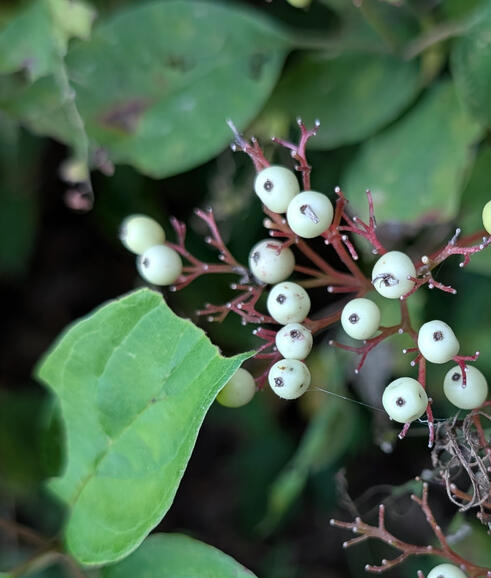
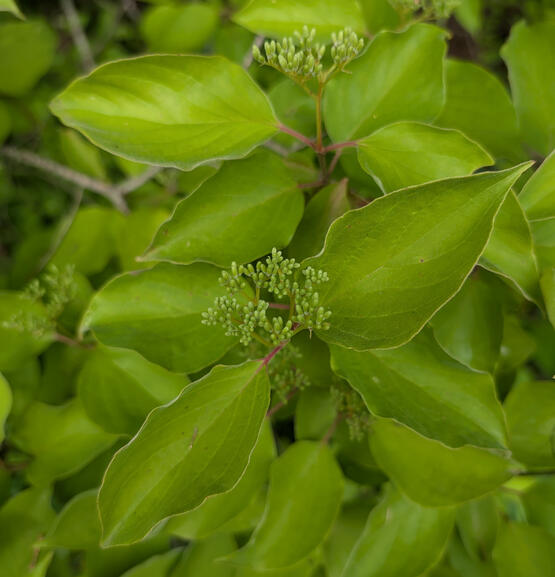
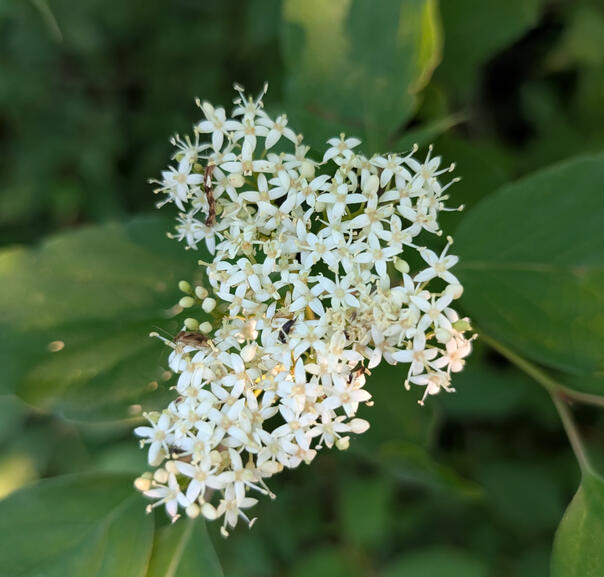
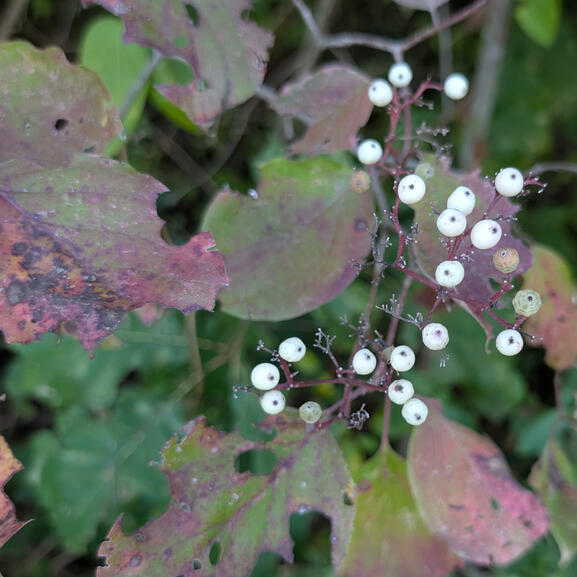
Roughleaf Dogwood
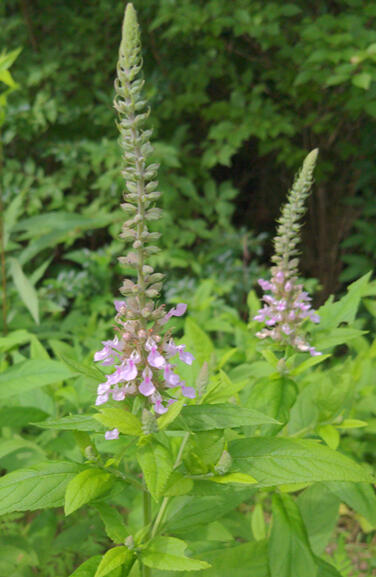
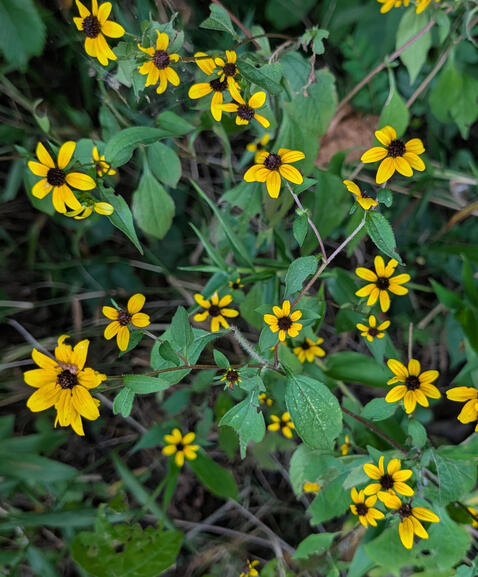
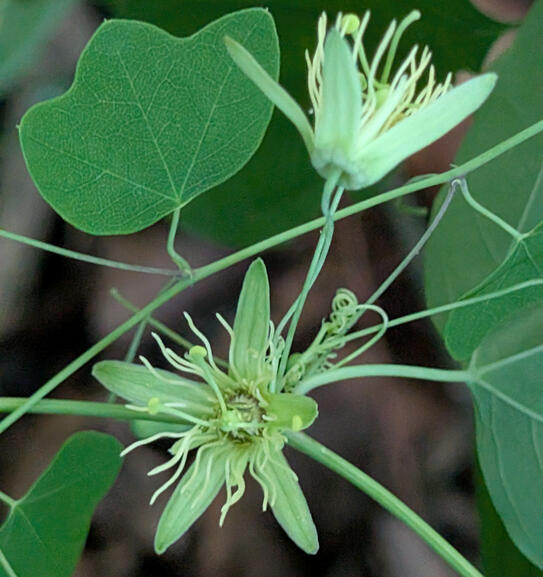
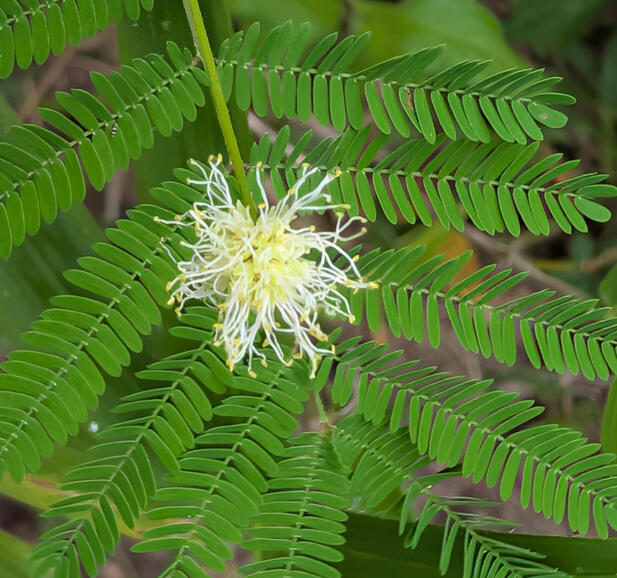
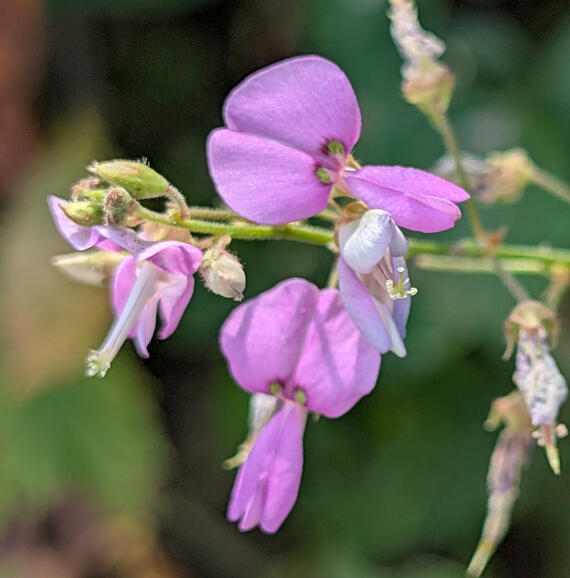
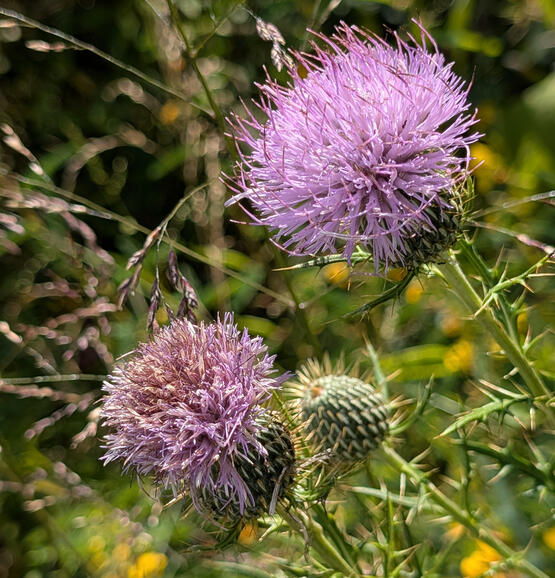
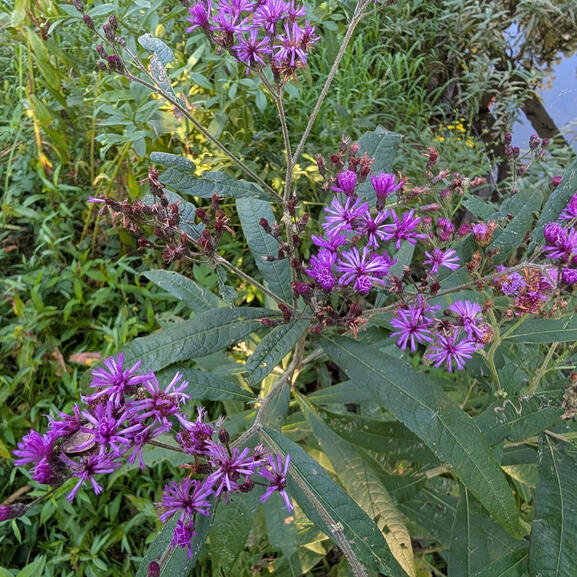
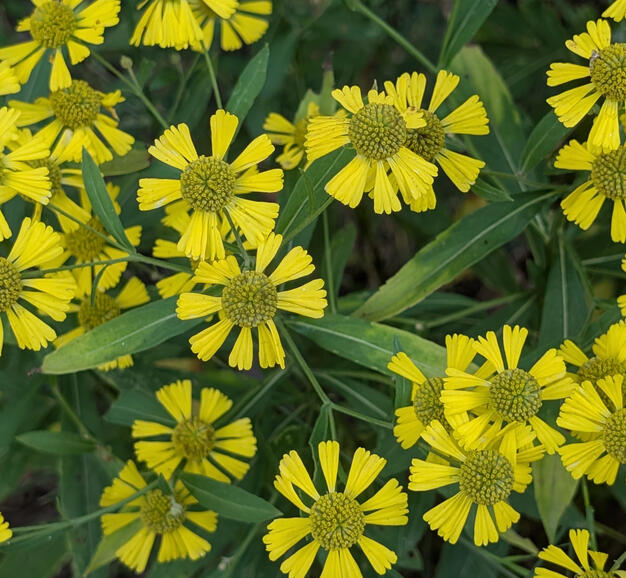
Click the buttons below to view other Galleries
Fall
Not all plants found along Cedar Creek are included within this gallery. Updates will be made as we discover more gems!

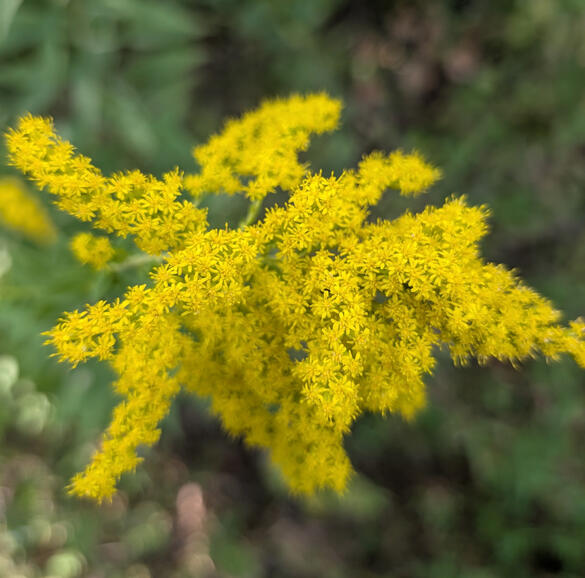
Goldenrod

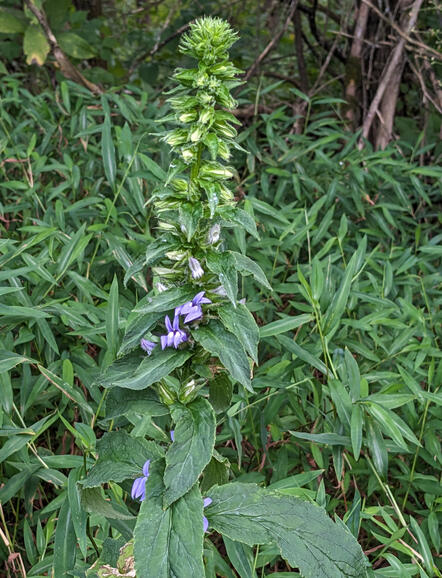
Blue Lobelia

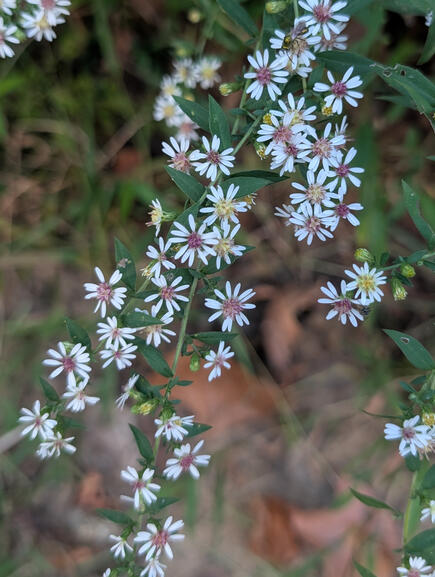
Calico Aster

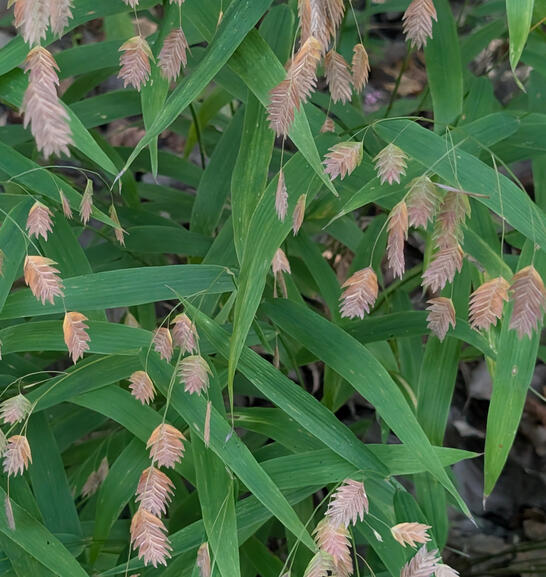
Northern Sea Oats

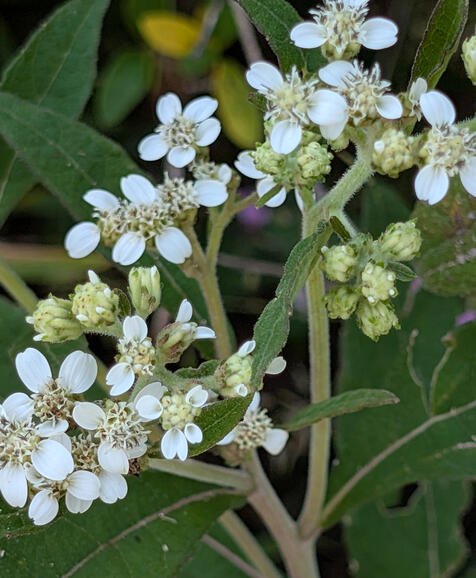
Boneset
Black-eyed Susans

Small White Aster

Short's Aster

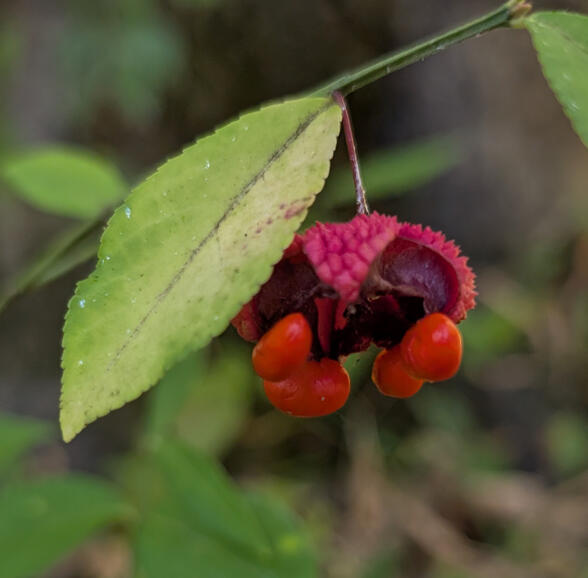
Strawberry Bush
Trefoil
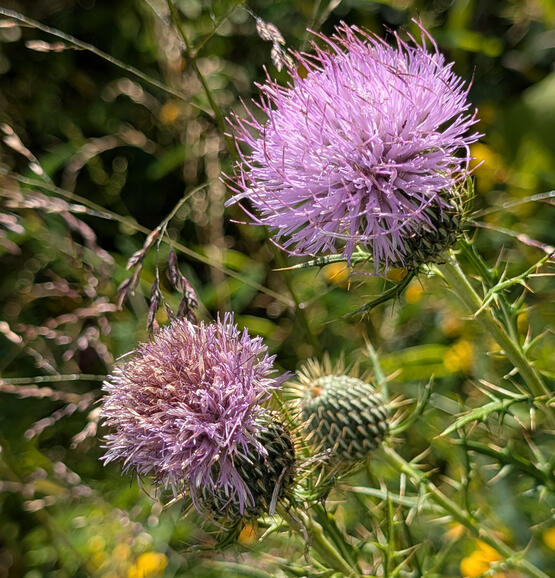
Field Thistle

Frostweed
Ironweed

Sneezeweed

Roughleaf Dogwood

Woodland Lettuce

Bearded Beggarticks

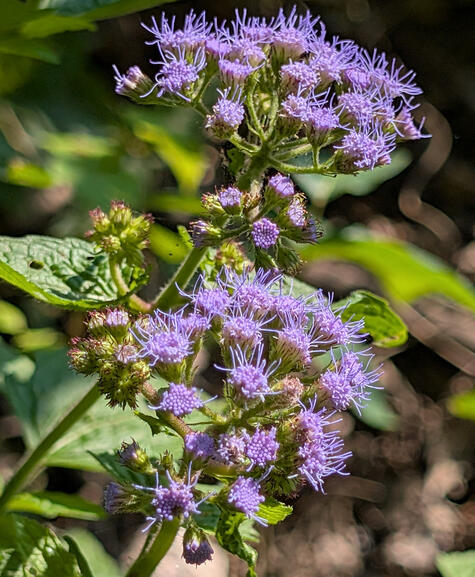
Blue Mist Flower

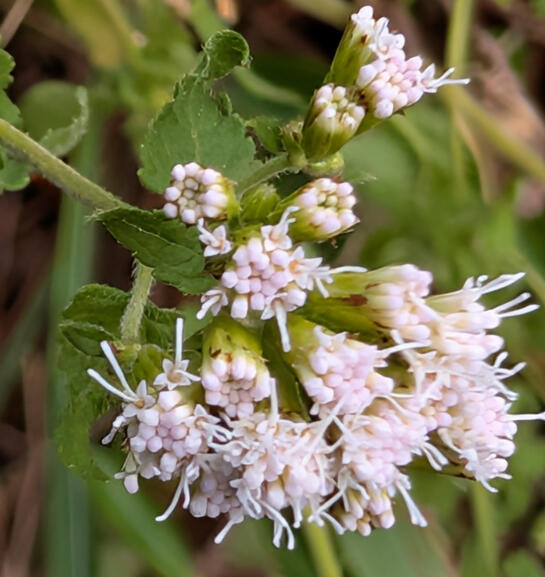
Pink Thoroughwort

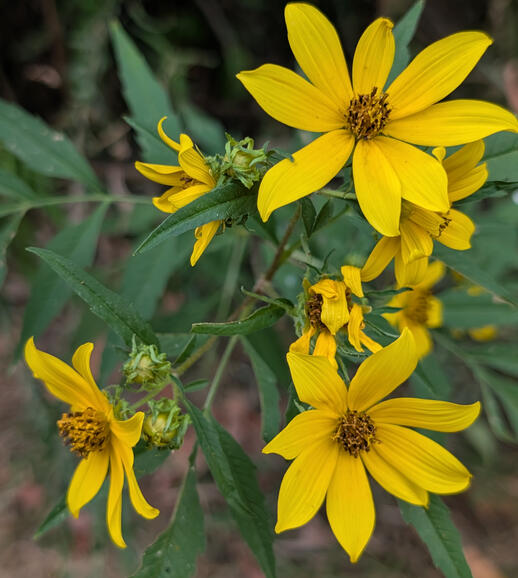
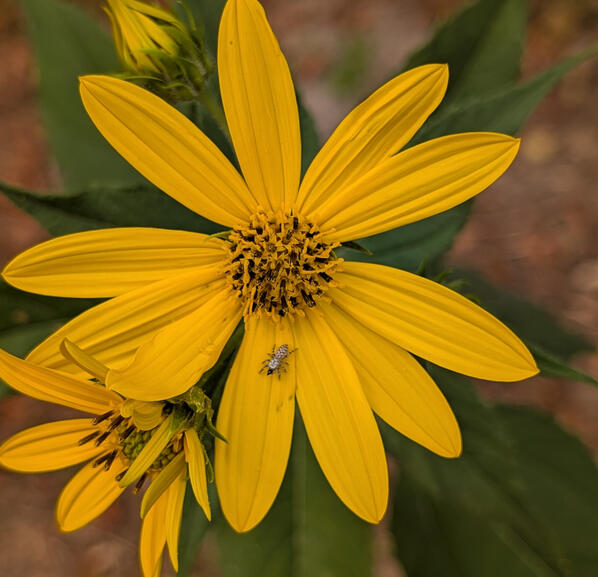
Jerusalem Artichoke
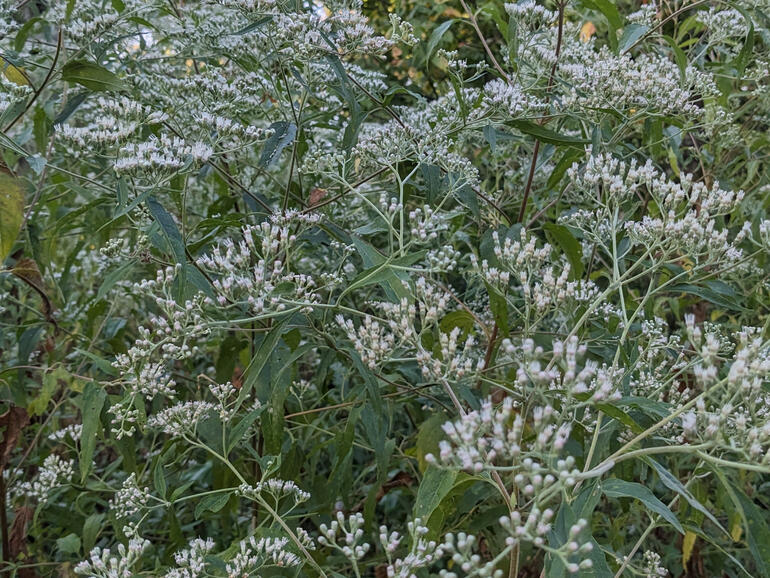
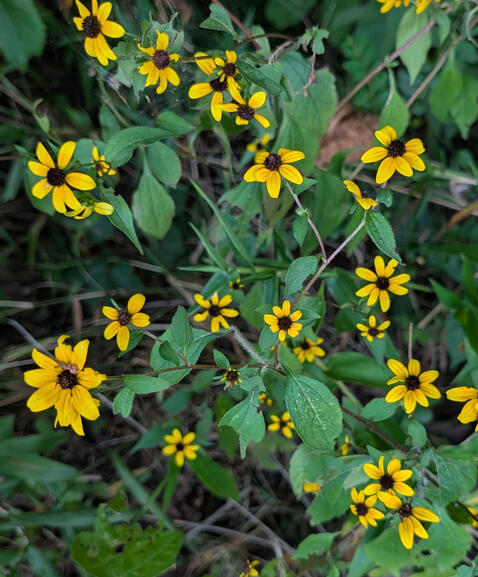
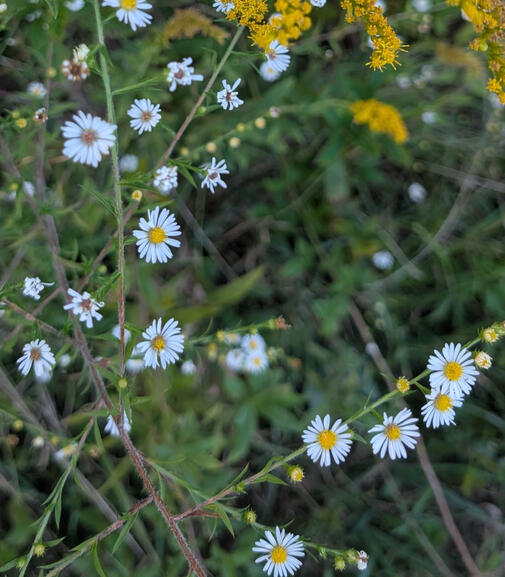
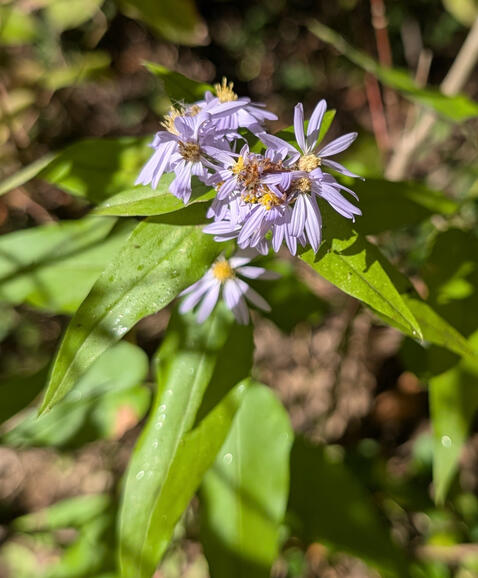
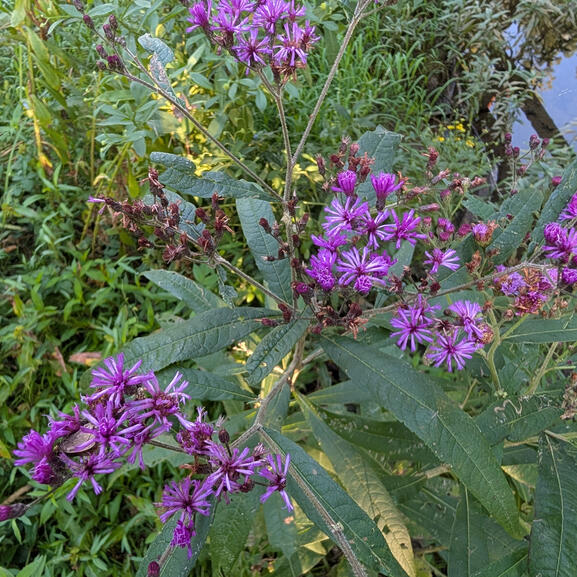
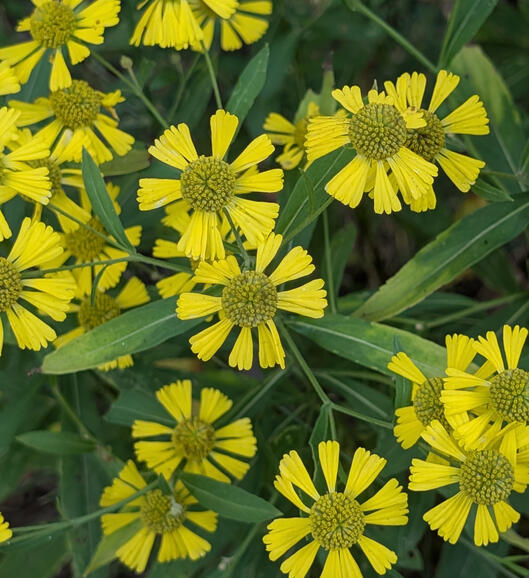
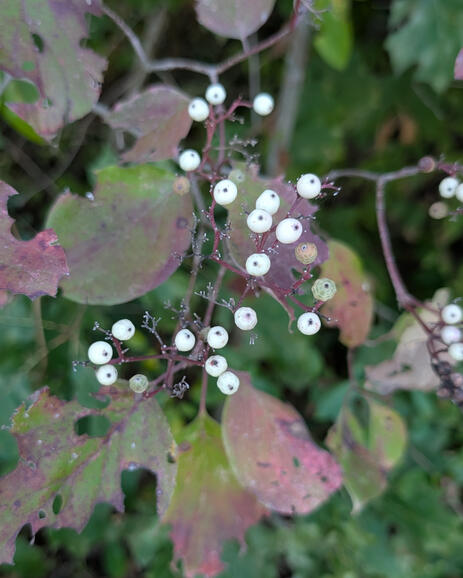
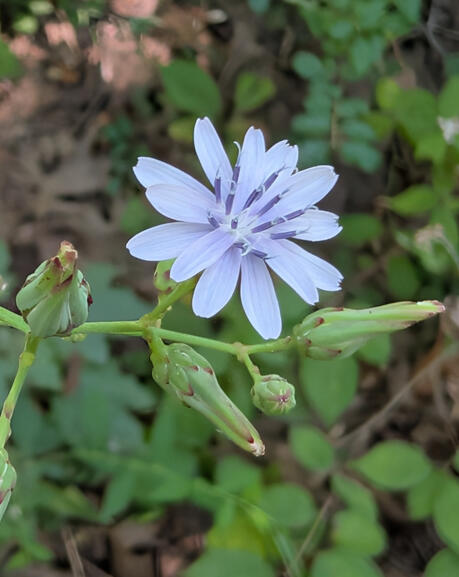
Click the buttons below to view other Galleries
Winter
Not all plants found along Cedar Creek are included within this gallery. Updates will be made as we discover more gems!

Eastern Red Cedar

Coral Berry

Rivercane

Frost Flower Ice
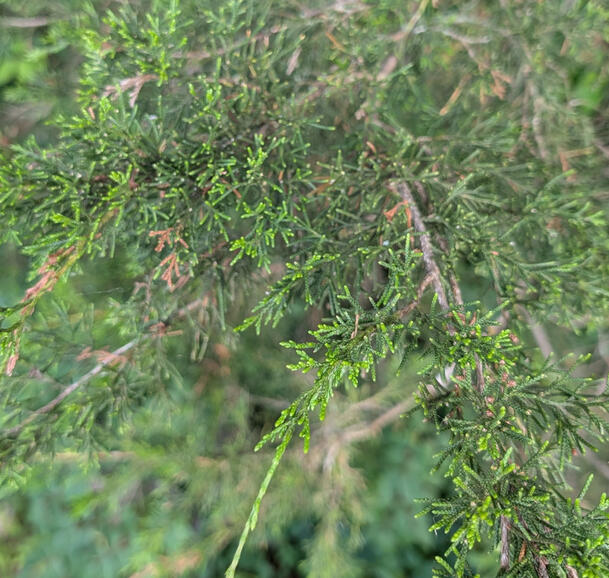
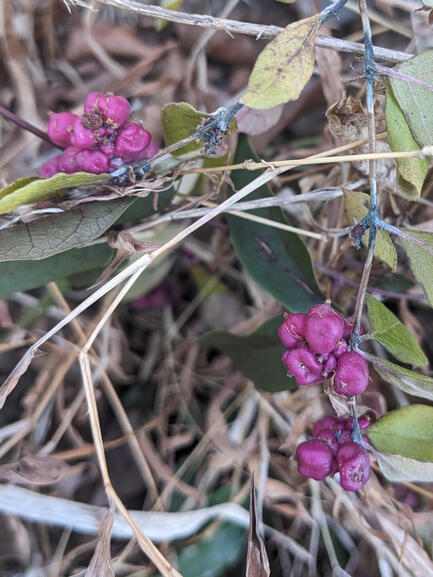
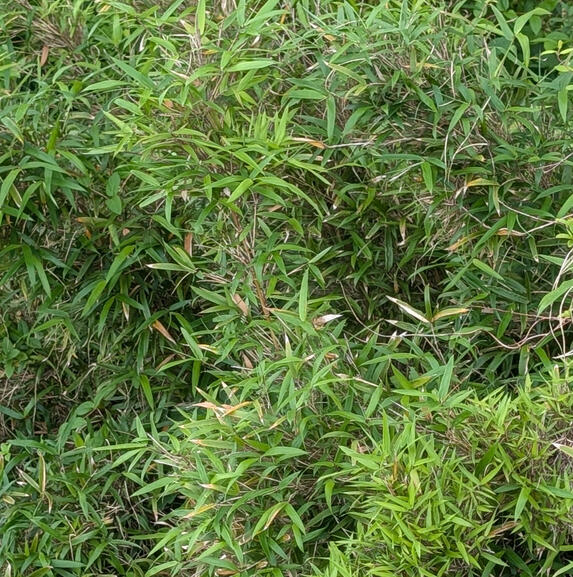
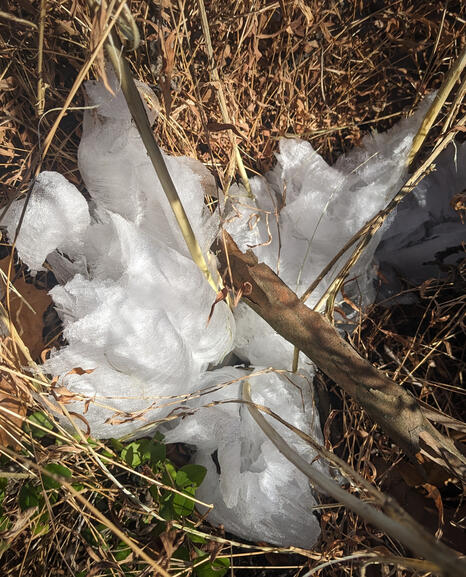
Click the buttons below to view other Galleries
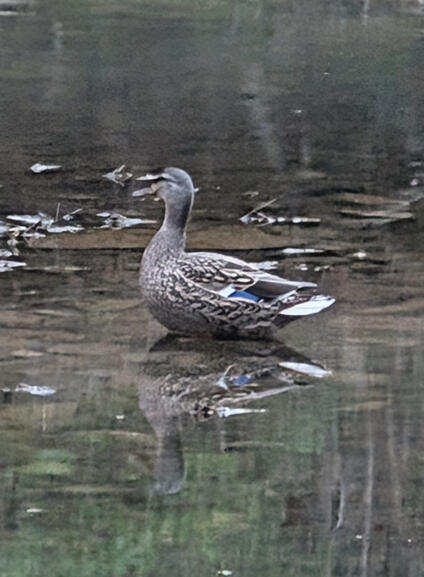
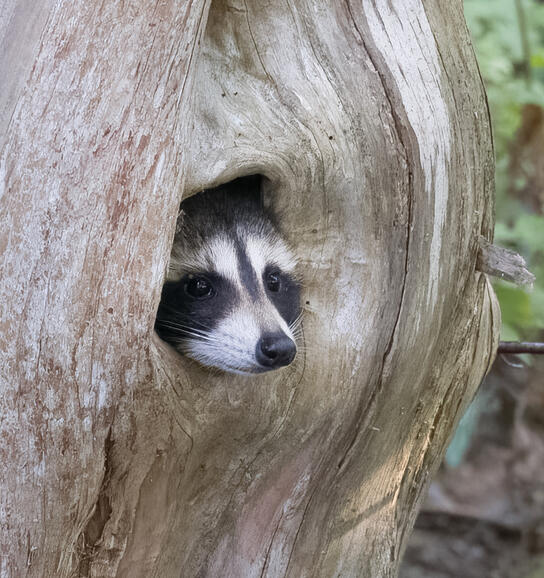
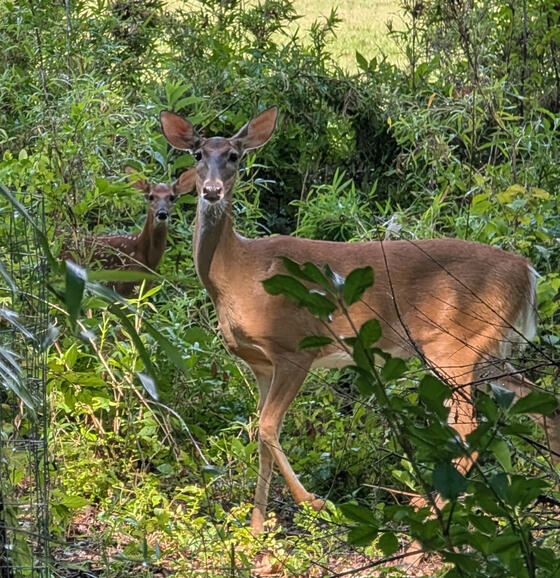
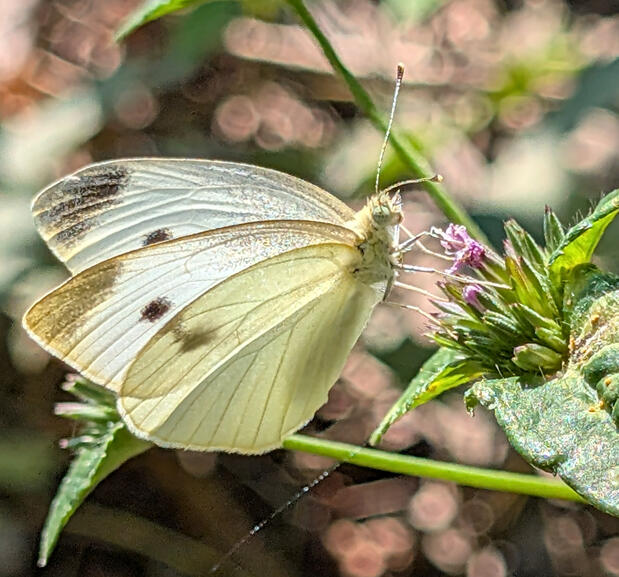
Wildlife
Not all wildlife found along Cedar Creek are included within this gallery. Updates will be made as we discover more gems!

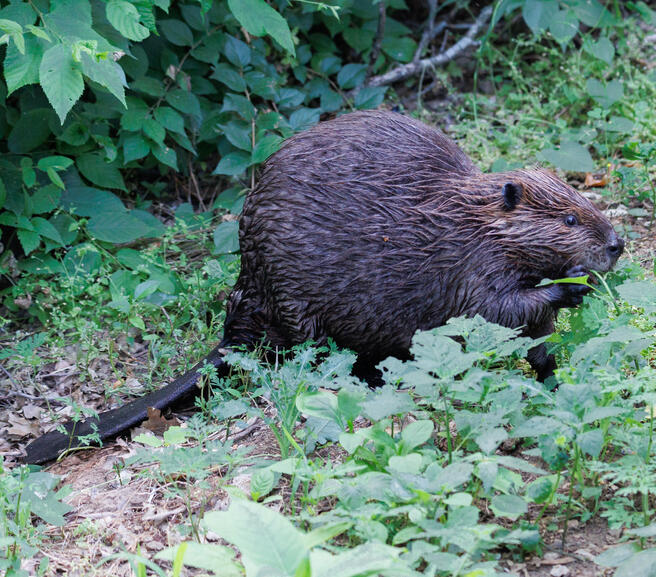
Beaver

River Otter

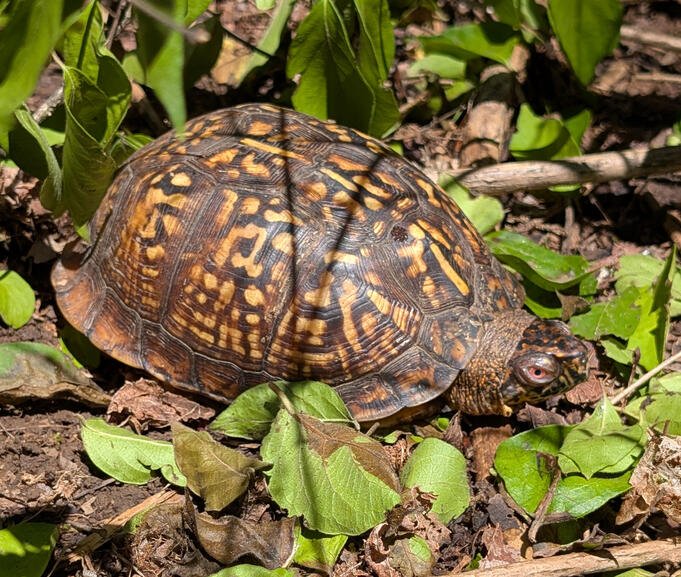
Box Turtle

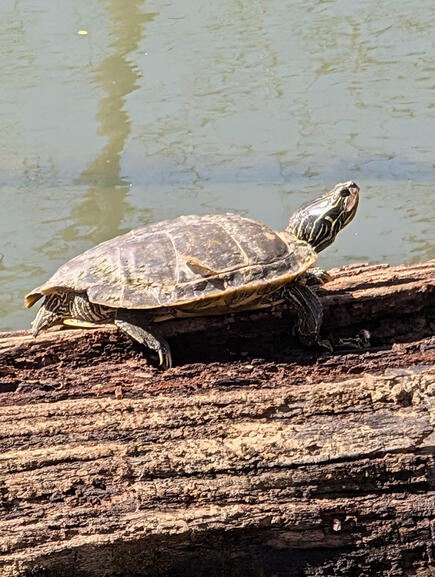
Pond Slider

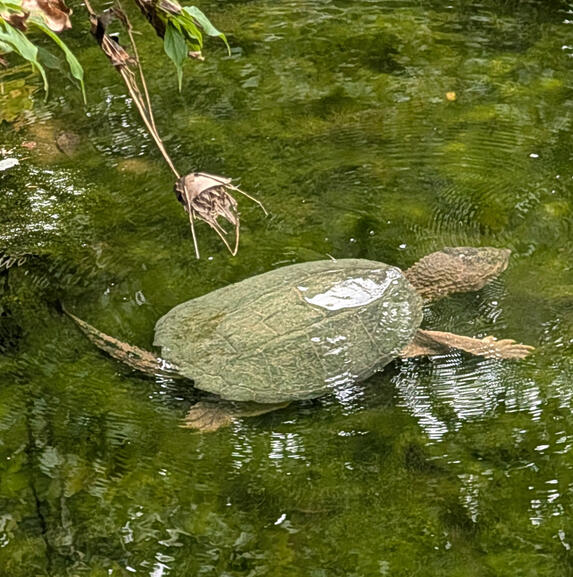
Common Snapping Turtle

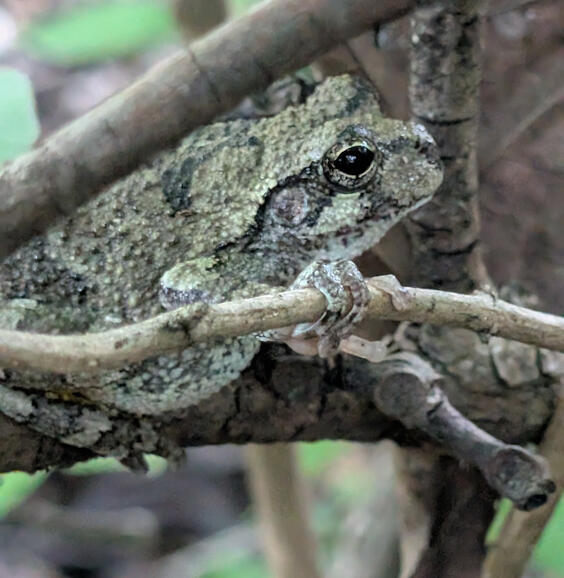
Gray Treefrog

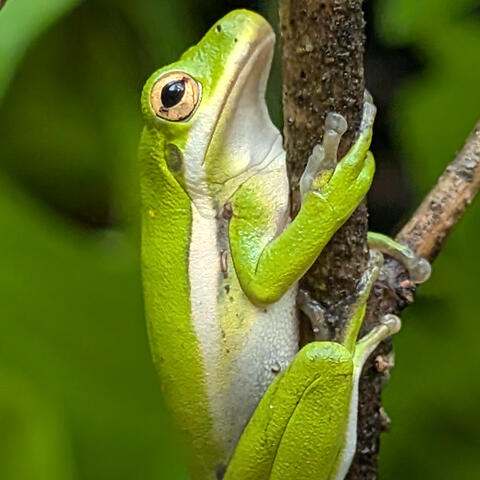
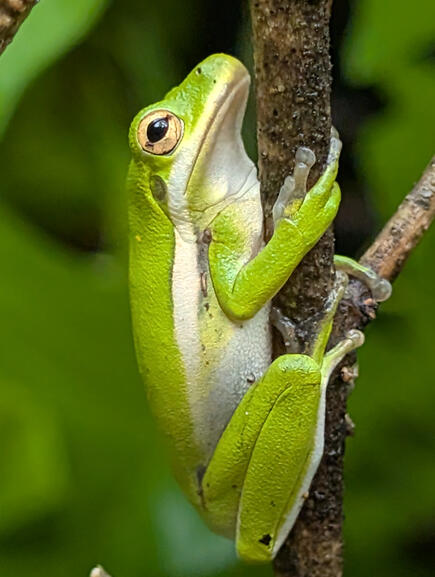
Green Treefrog

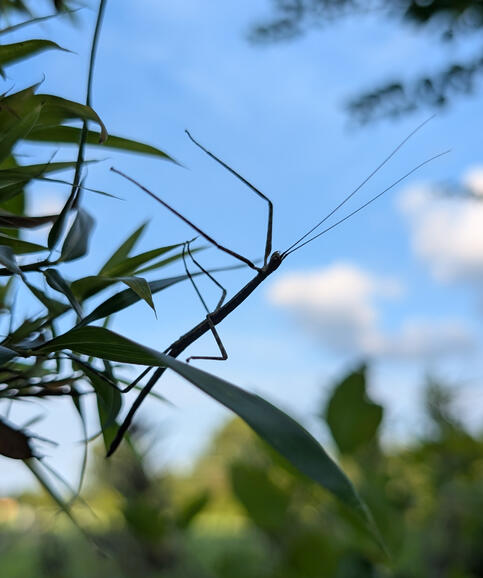
Walking Stick

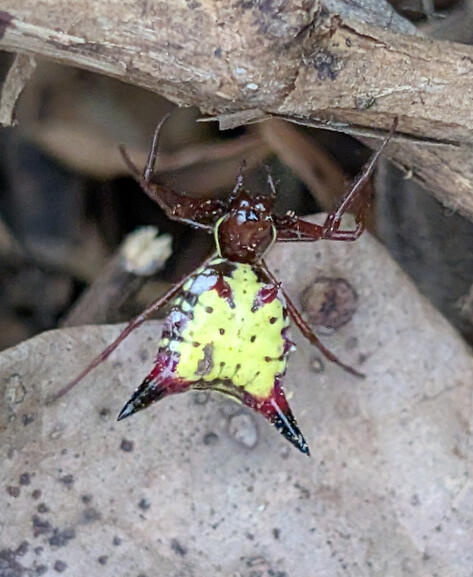
Arrow Shaped Orbweaver

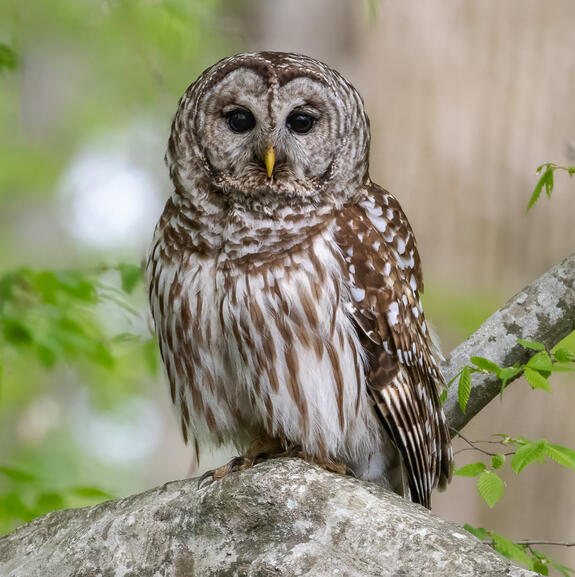
Barred Owl

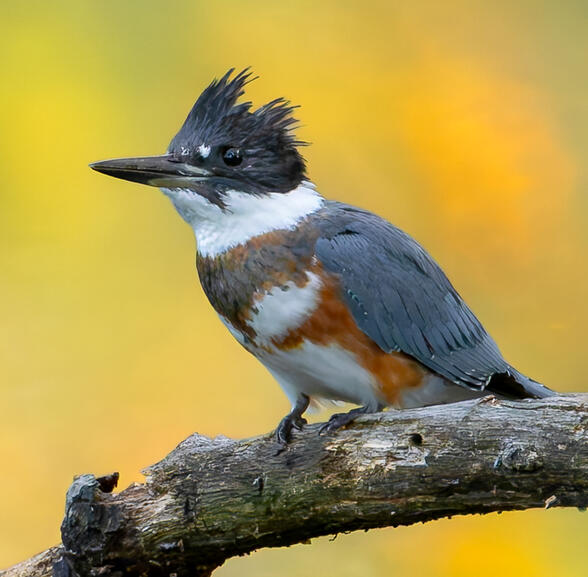
Belted Kingfisher

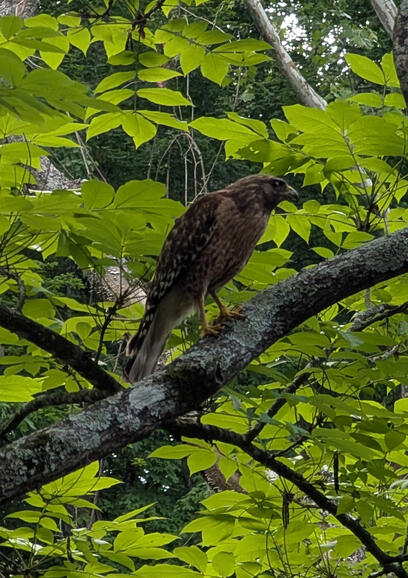
Red Shouldered Hawk

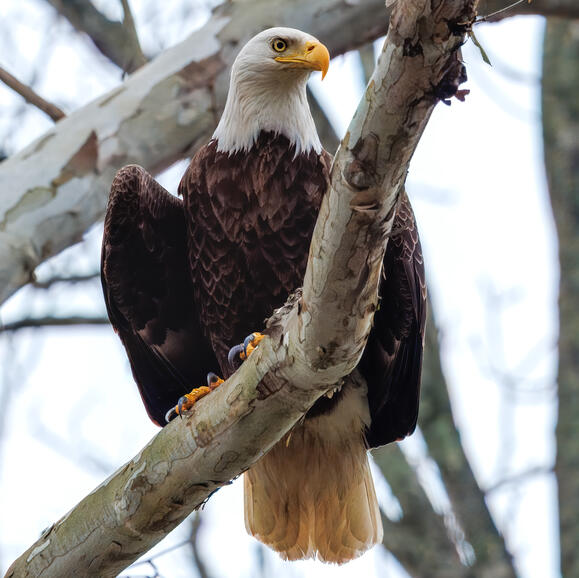
Bald Eagle

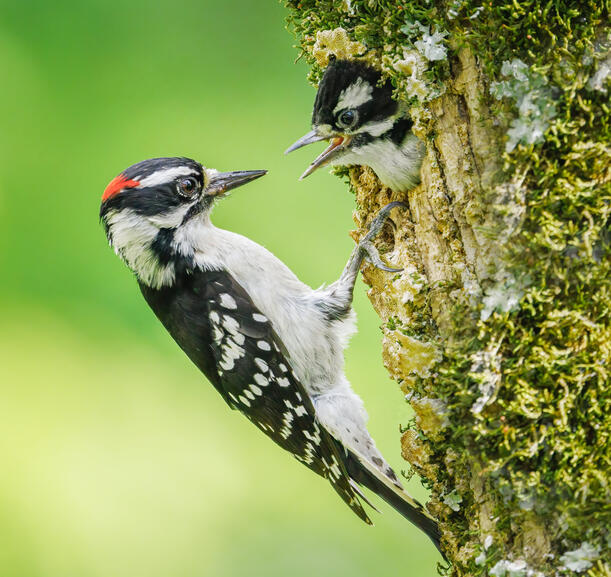
Downy Woodpecker

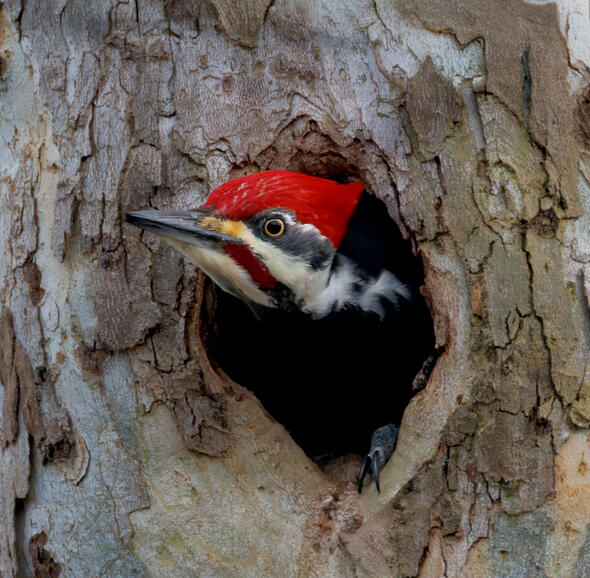
Pileated Woodpecker

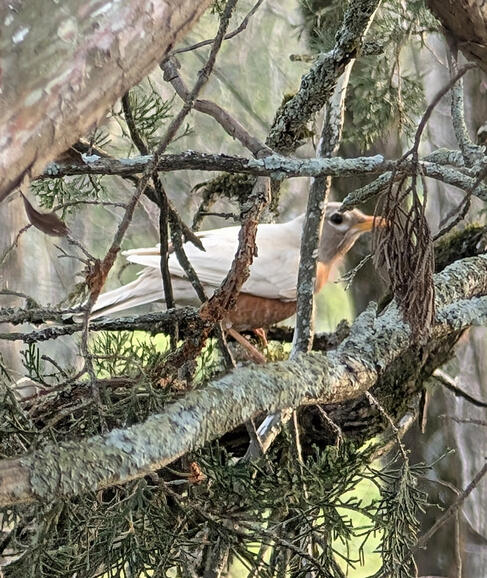
Leucistic American Robin

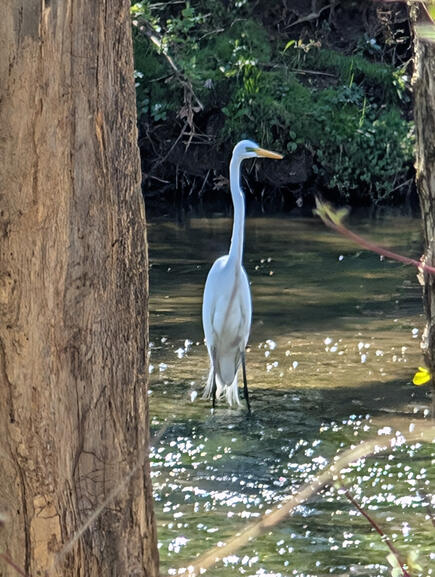
Great Egret

Mallard (female)

Raccoon

Deer

Cabbage White

Monarch

Easter Tiger Swallowtail

Pearl Crescent

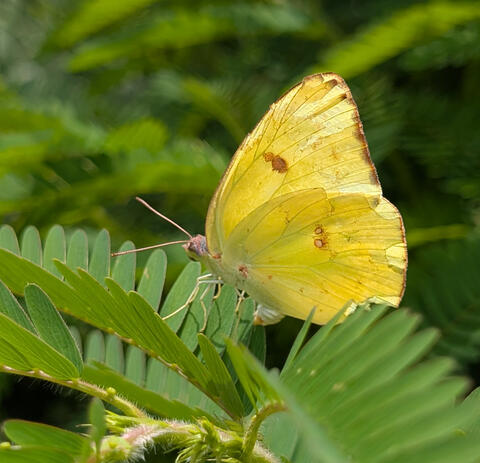
Clouded Skipper

Common Watersnake

Queensnake

Central Ratsnake

Rough Greensnake

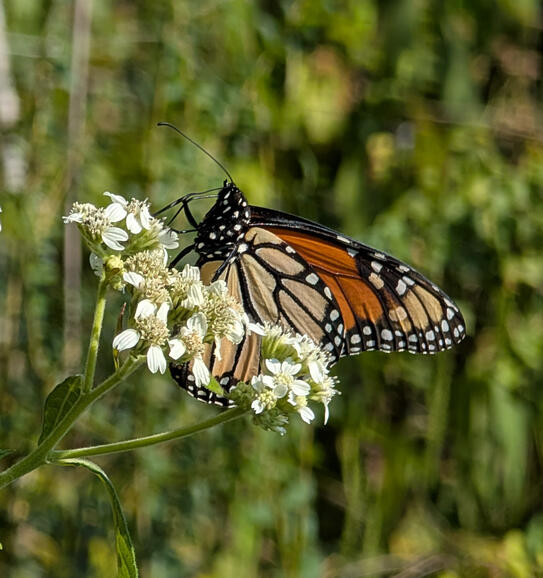
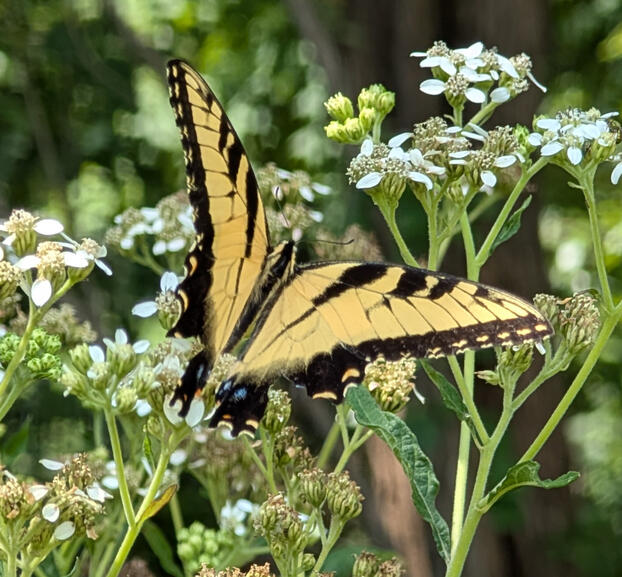
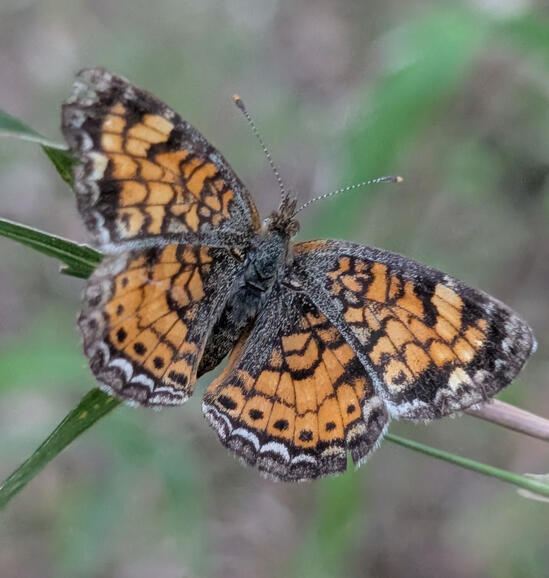
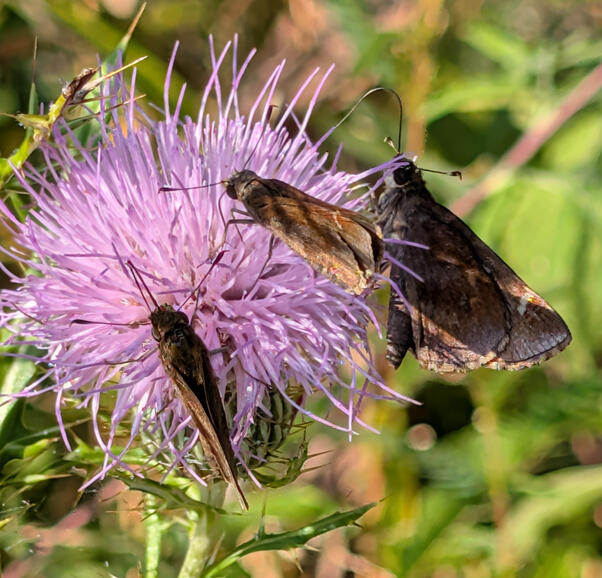
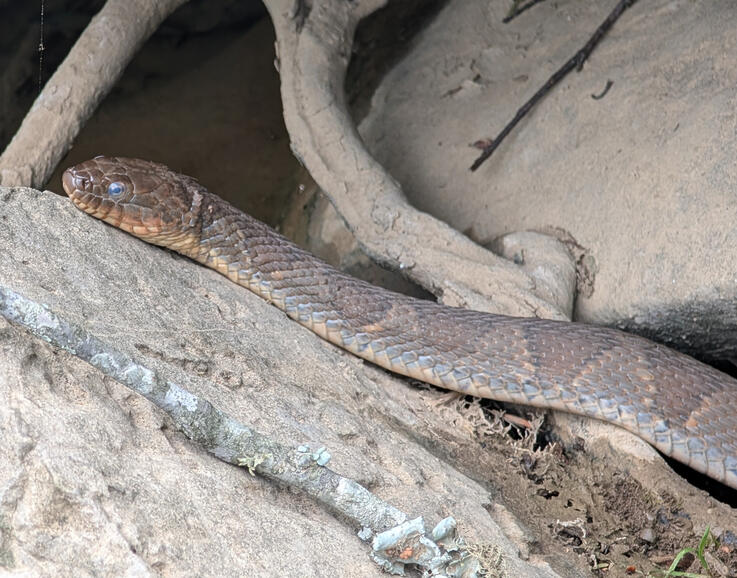
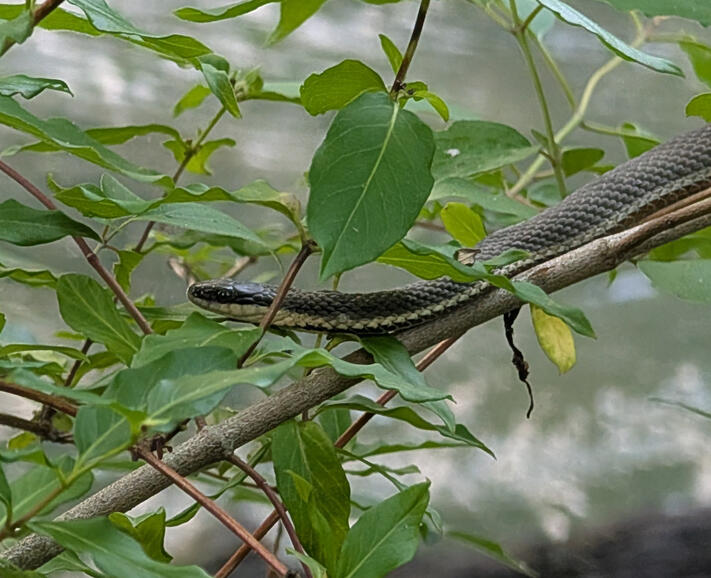
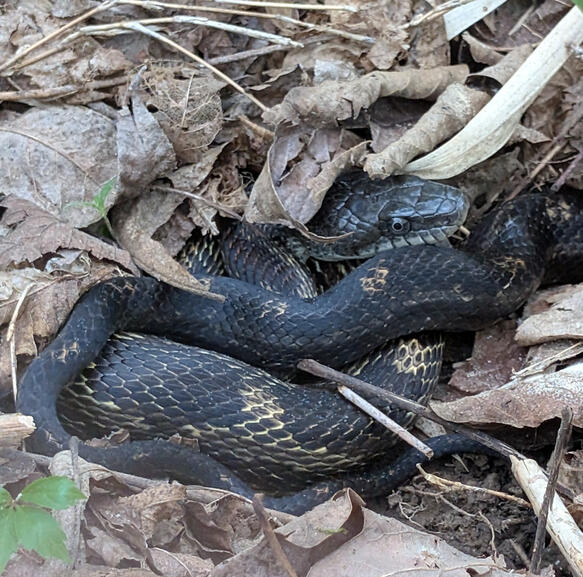
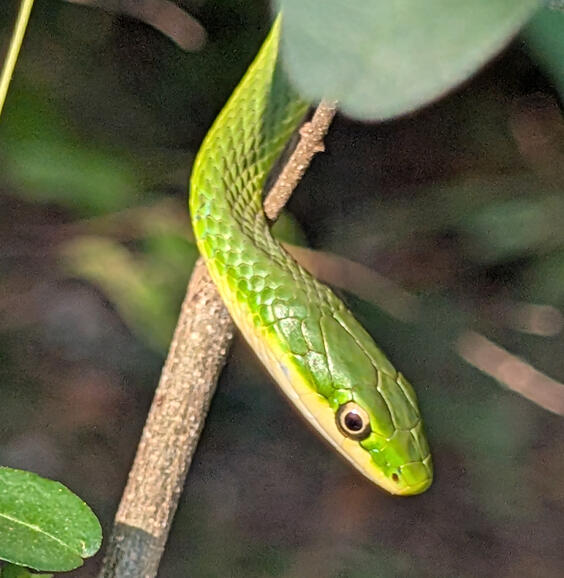
Click the buttons below to view other Galleries
Invasive Plant Gallery
What makes a plant invasive?
A plant is labeled as invasive if it has the following characteristics:
the plant has been introduced into a new location, either intentionally or by accident
grows quickly and aggressively, outpacing native plant species around it
produces abundant seed quantities or reproduces easily through other methods
adapts to many environmental conditions
has no natural checks and balances to limit its spread within the new location
Why are we removing them?
invasive plants are the dominant understory habitat along the Cedar Creek Greenway
these plants quickly overtake and smother out our native plants that should be within our understory habitat
the fruits and berries they produce lack the nutritional value that our birds need to get through our winter months and to migrate
they do not provide food sources for invertebrates, which are the basic and vital food source to many wildlife species, diminishing the habitat quality
Invasive Plants of Cedar Creek Greenway
It is likely not all invasive plants along Cedar Creek Greenway are included within this gallery. We hope we do not find additional invasive species, but if we do, we will add them to this gallery.

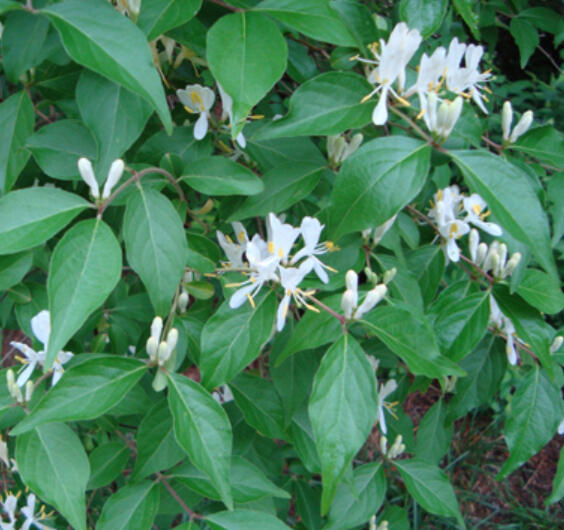
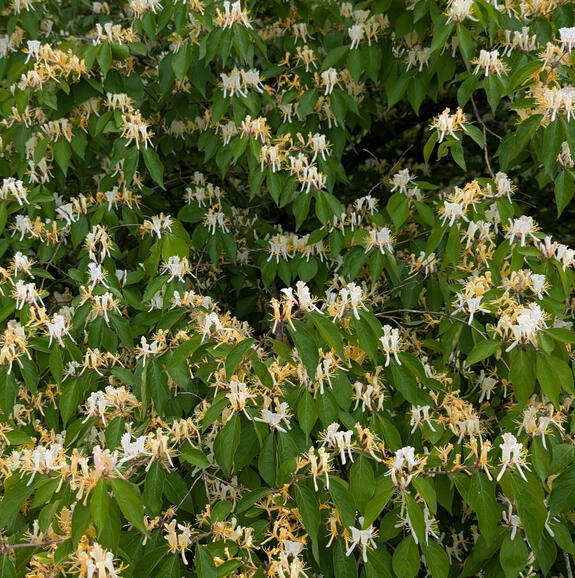
Bush Honeysuckle Flowers

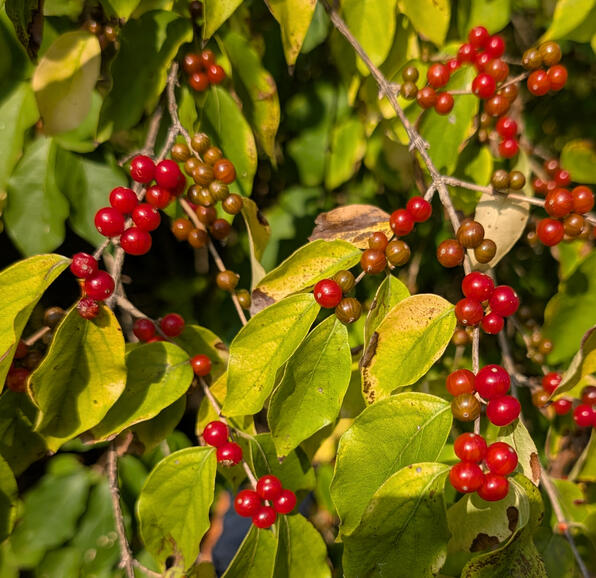
Bush Honeysuckle Berries

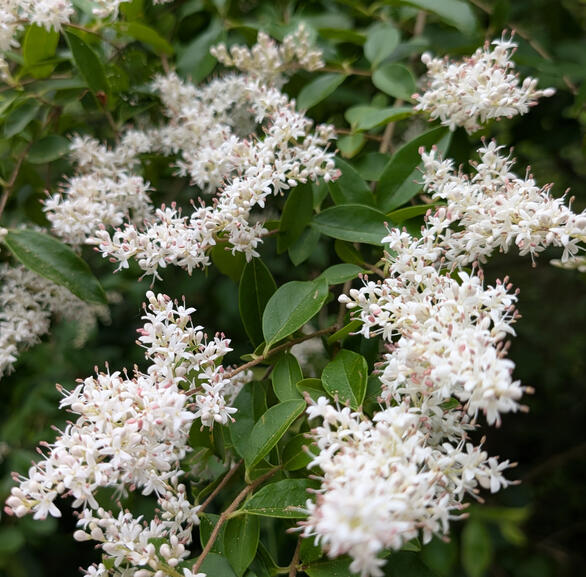
Chinese Privet Flowers

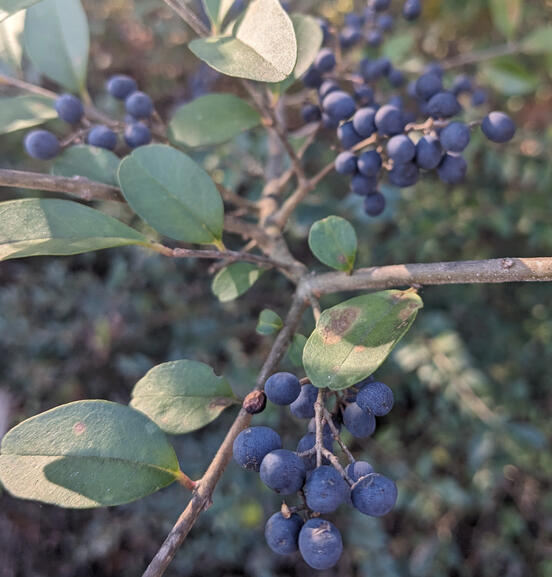
Chinese Privet Berries

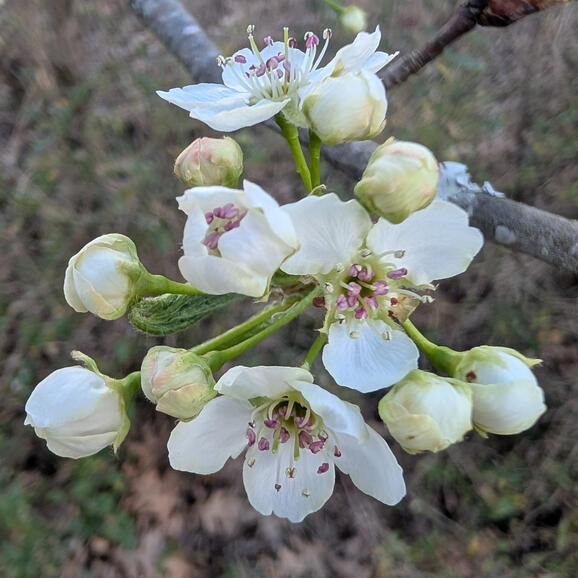
Callery Pear Flower

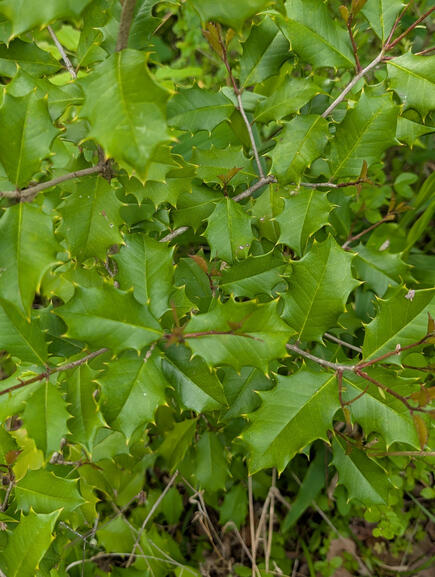
Chinese/Japanese Holly

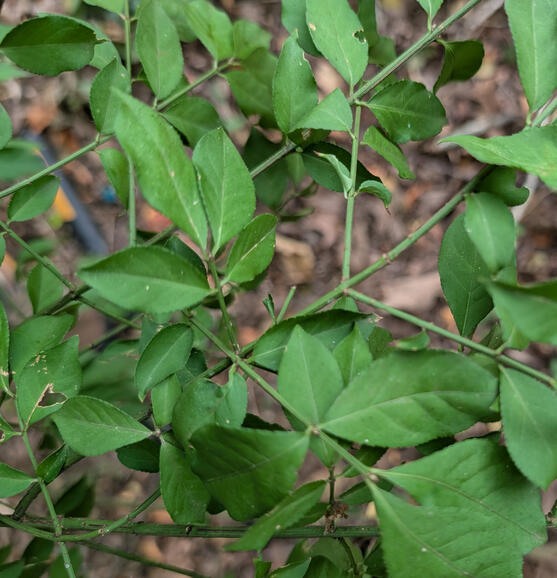
Burning Bush

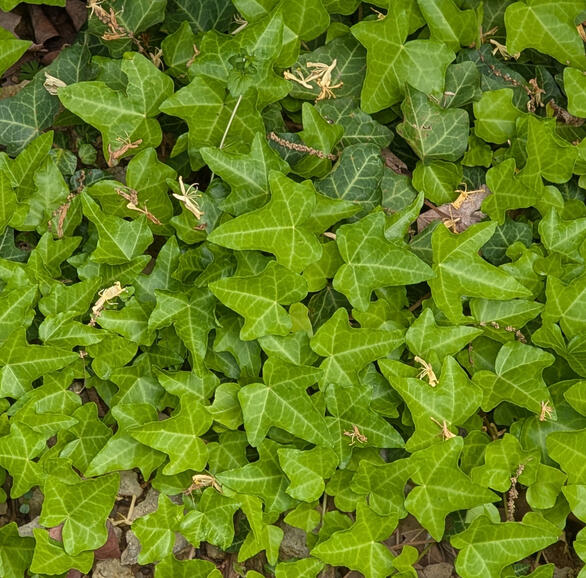
English Ivy

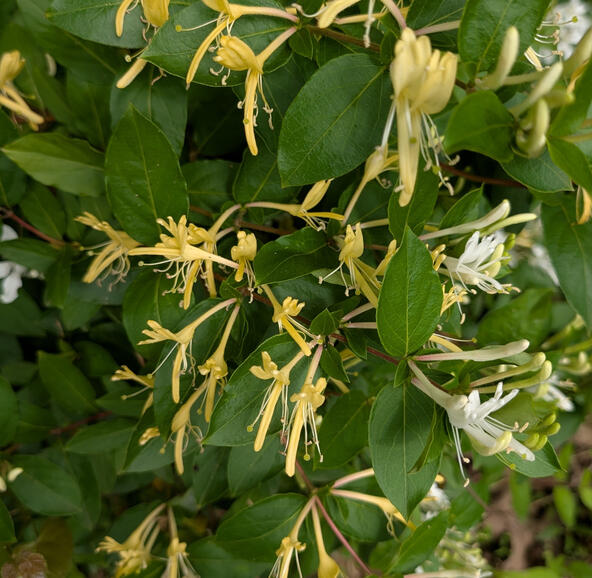
Japanese Honeysuckle Vine

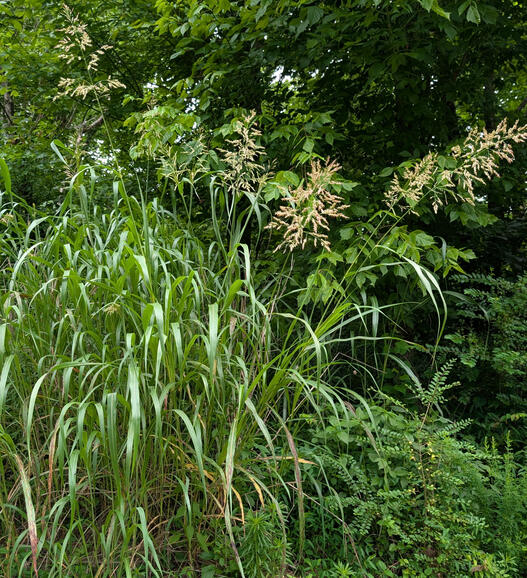
Johnson Grass

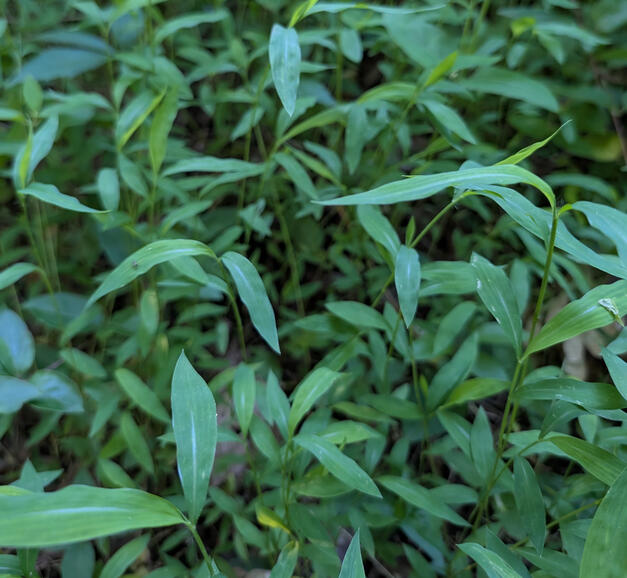
Stilt Grass

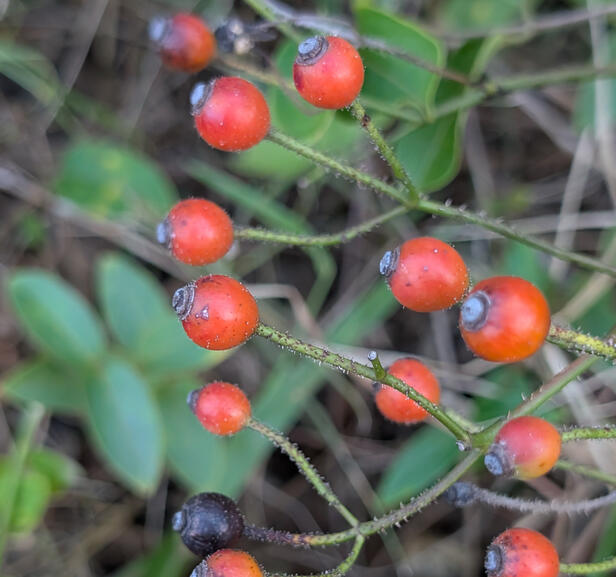
Multiflora Rose Hips

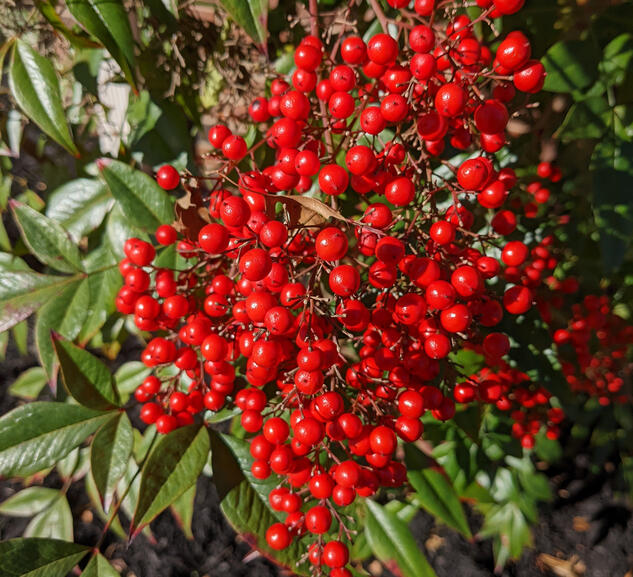
Heavenly Bamboo Berries

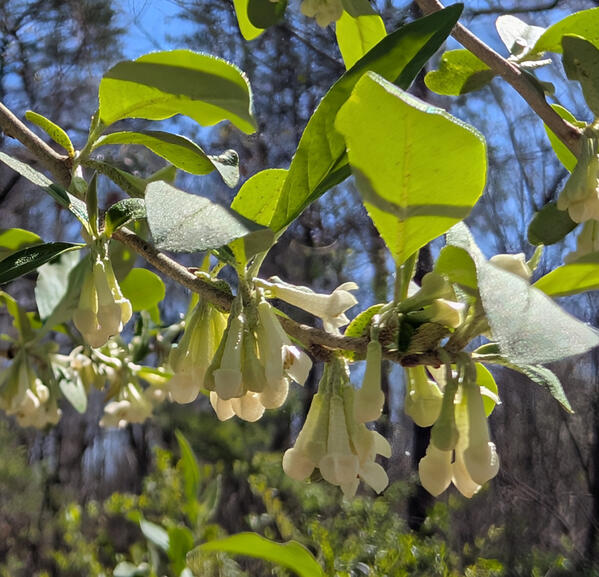
Russian Olive Flowers

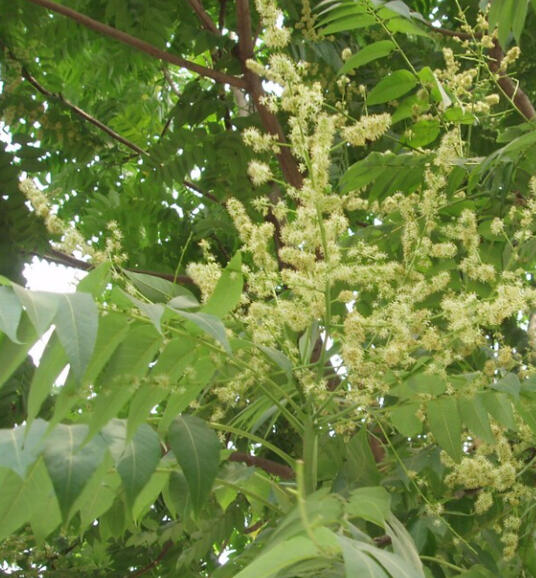
Tree of Heaven Flower

Barberry
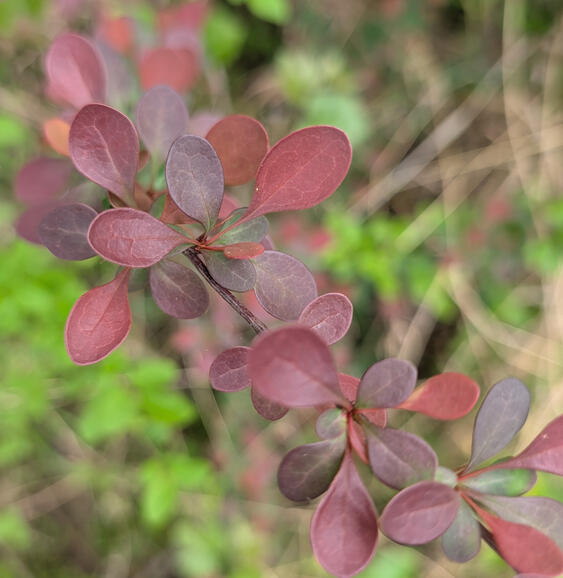
Click the buttons below to view other Galleries
Invasive Plant Resources:
Tree + Shrub Gallery
Not all plants found along Cedar Creek are included within this gallery. Updates will be made as we discover more gems!
Green Ash
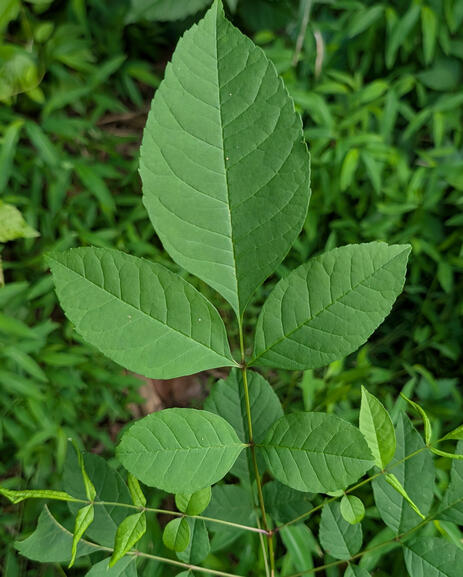
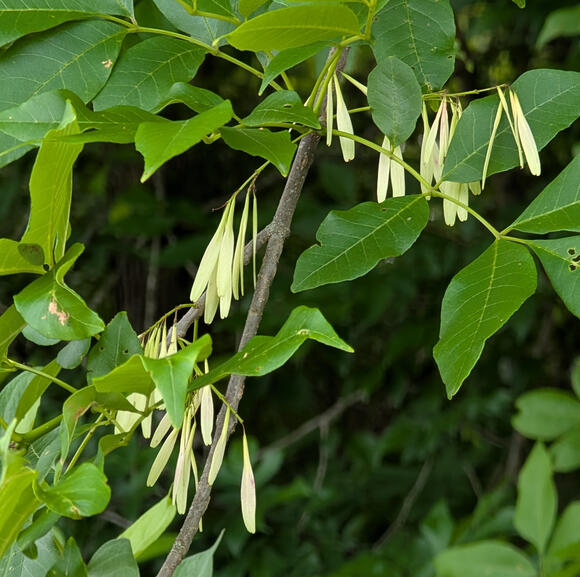
Coralberry
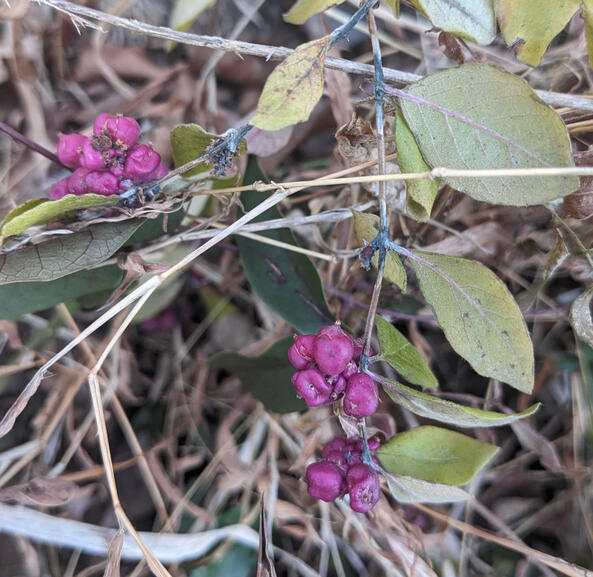
Buckthorn Bully
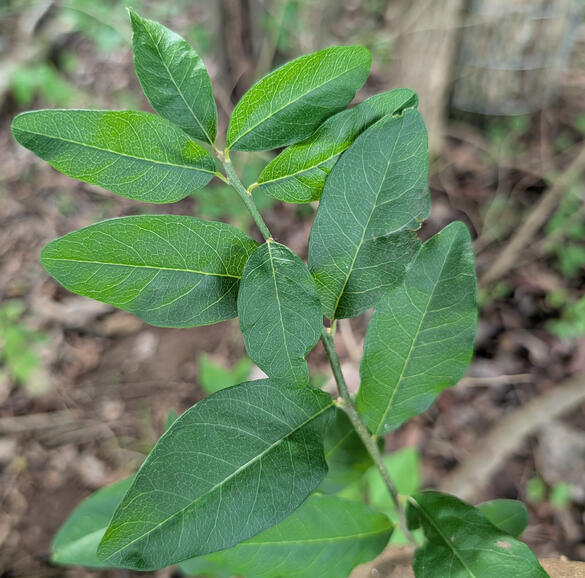
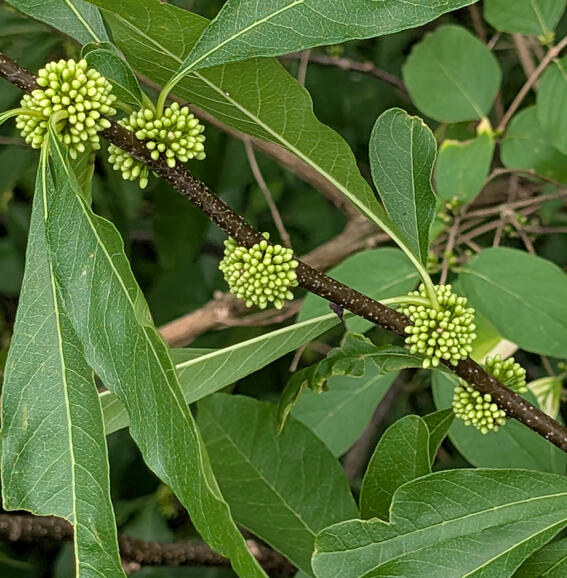
Black Cherry
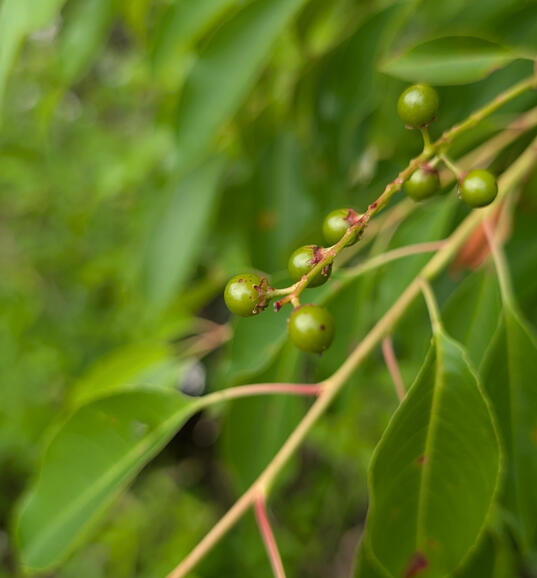
Black Walnut
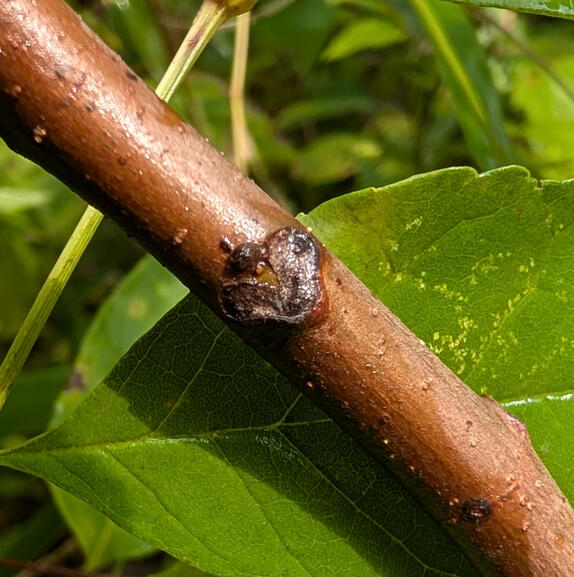
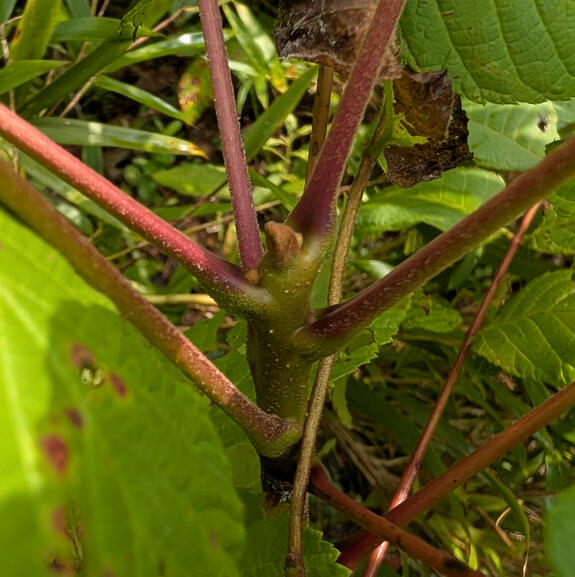
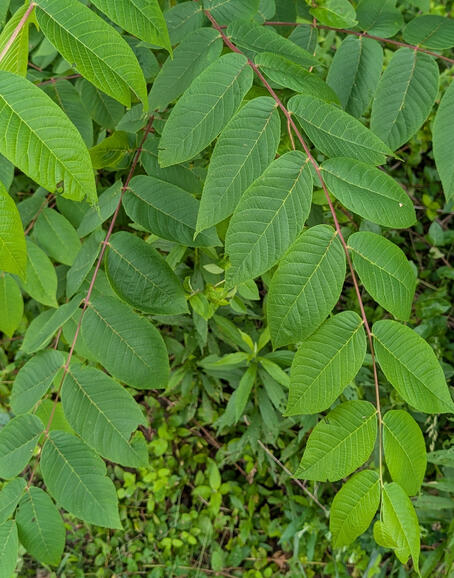
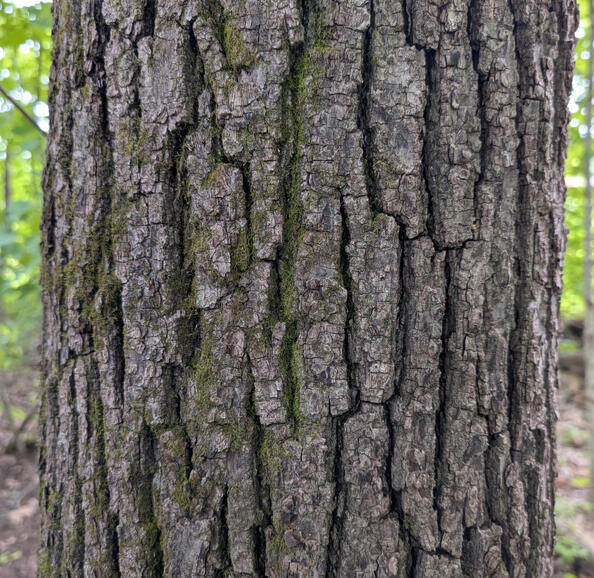
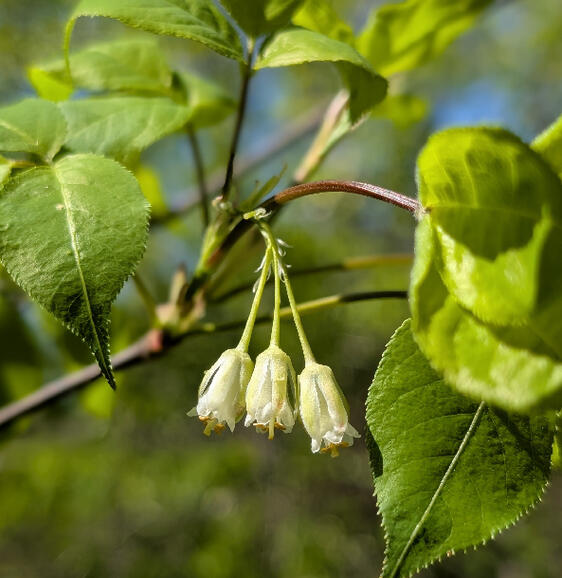
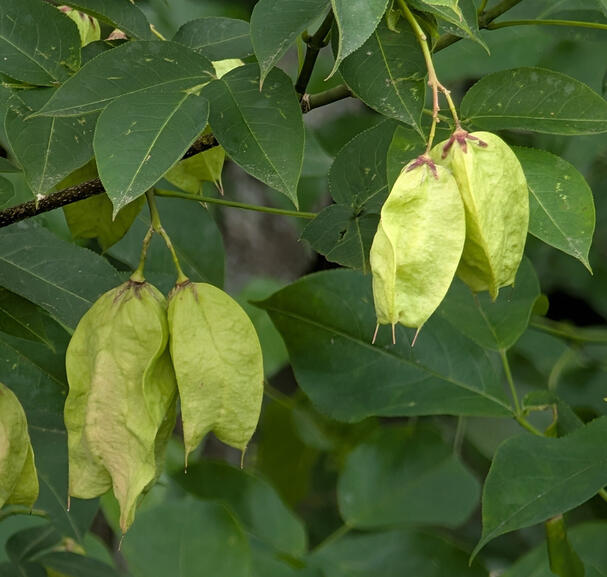
Bladdernut
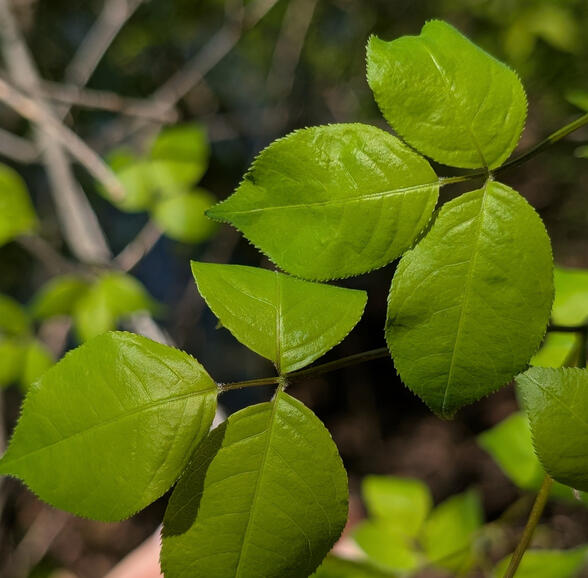
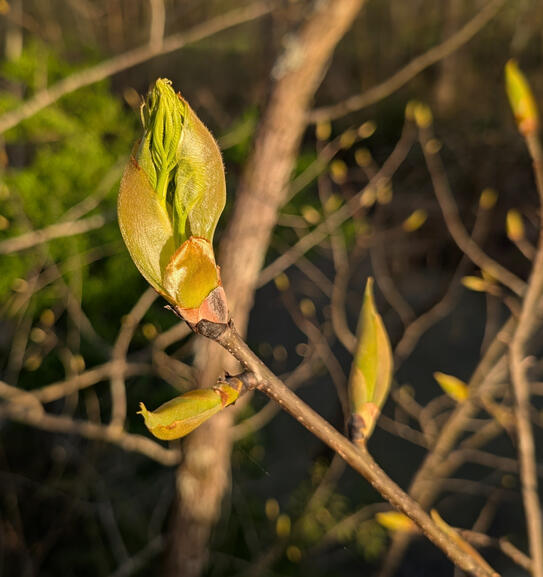
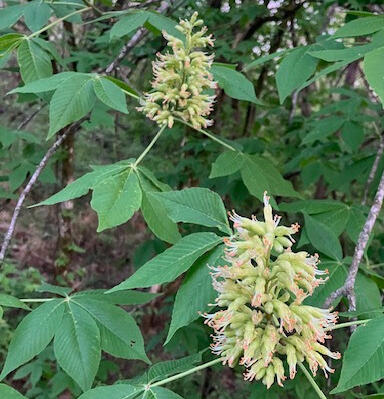
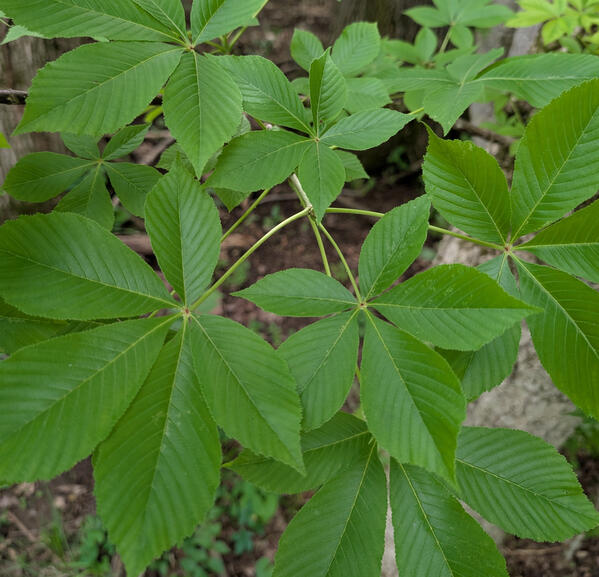
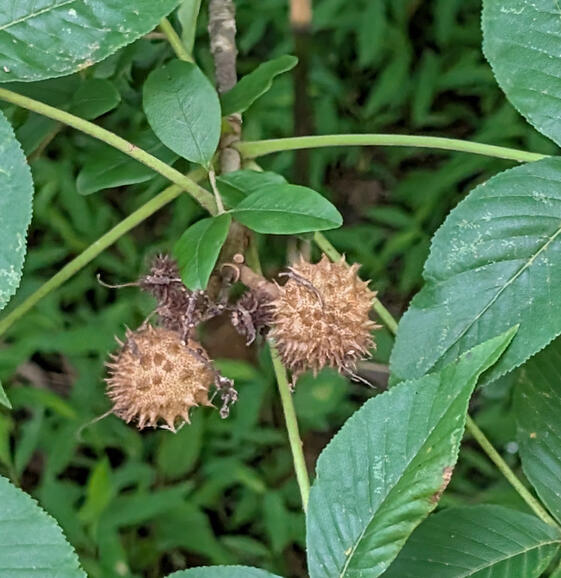
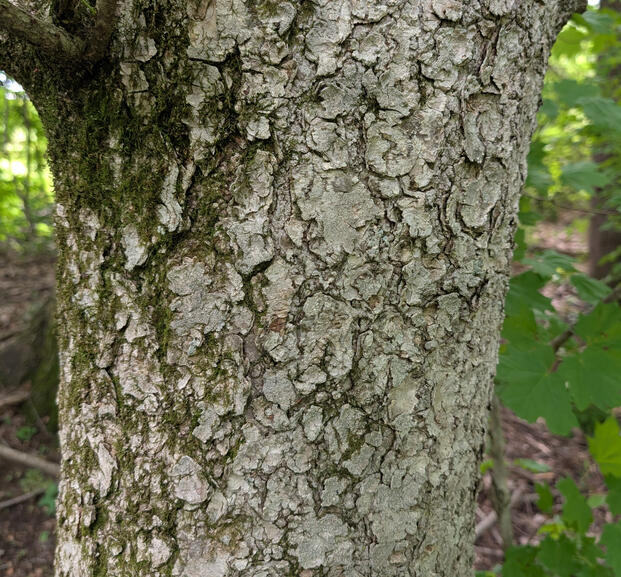
Ohio Buckeye
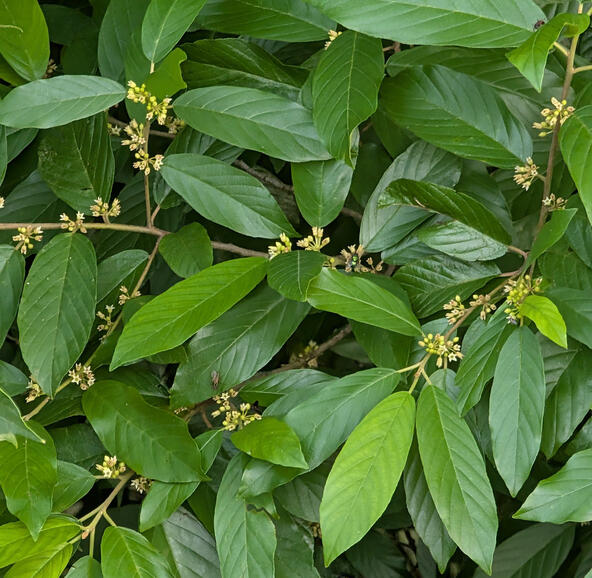
Carolina Buckthorn
Eastern Red Cedar
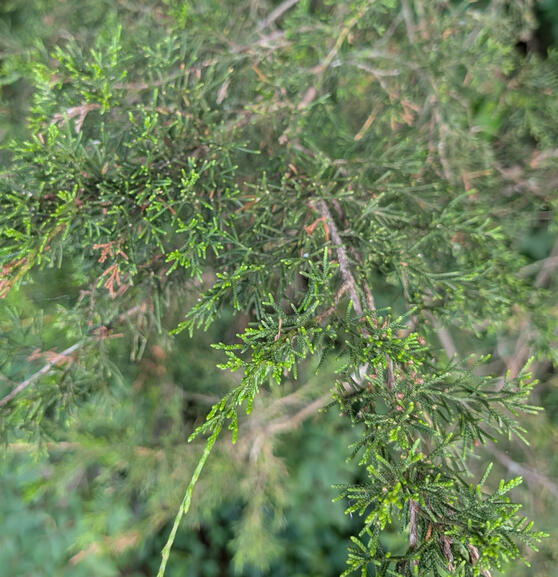
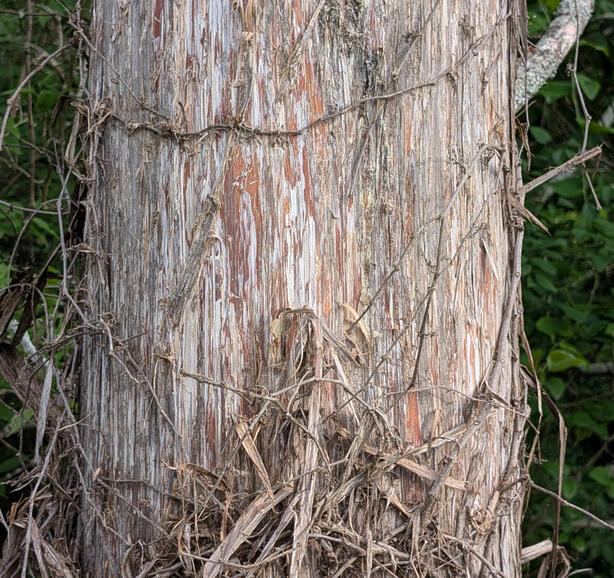
Eastern Cottonwood
Flowering Dogwood
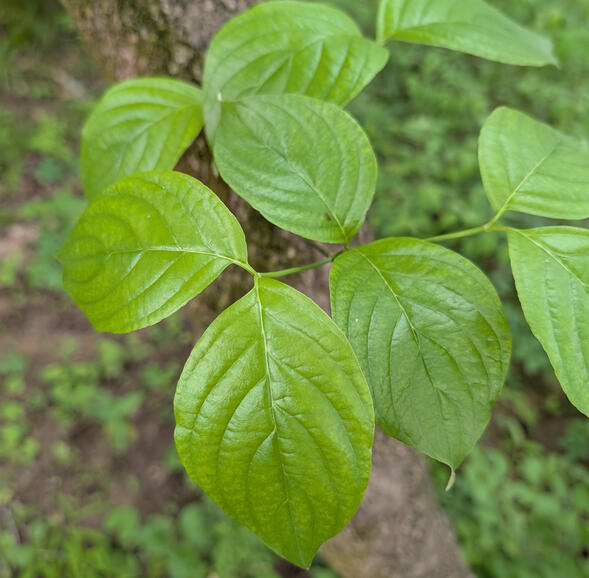
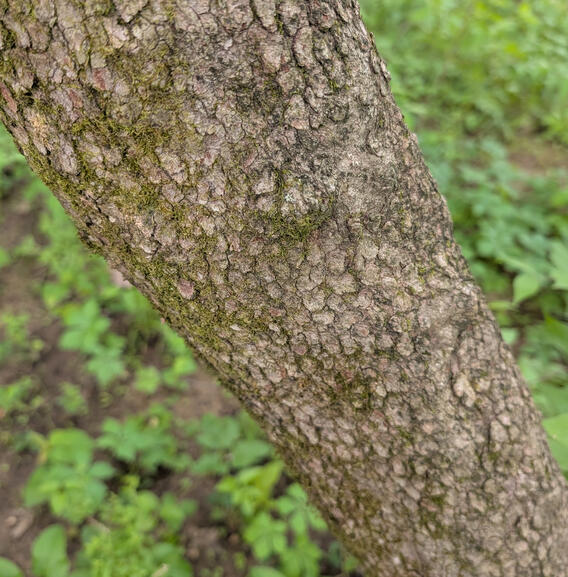
Roughleaf Dogwood
Eastern Wahoo
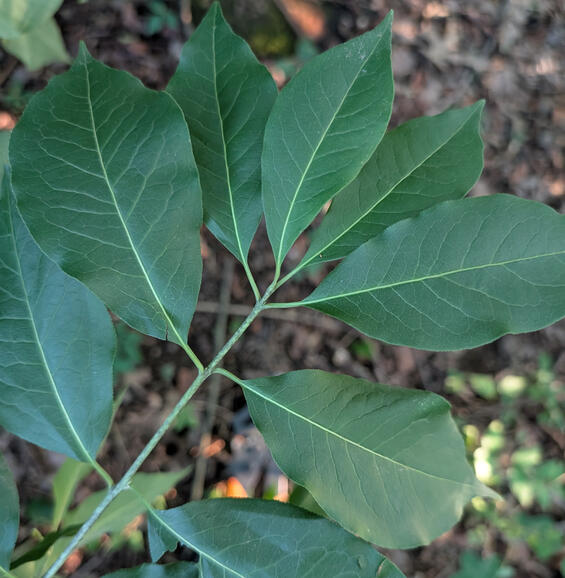
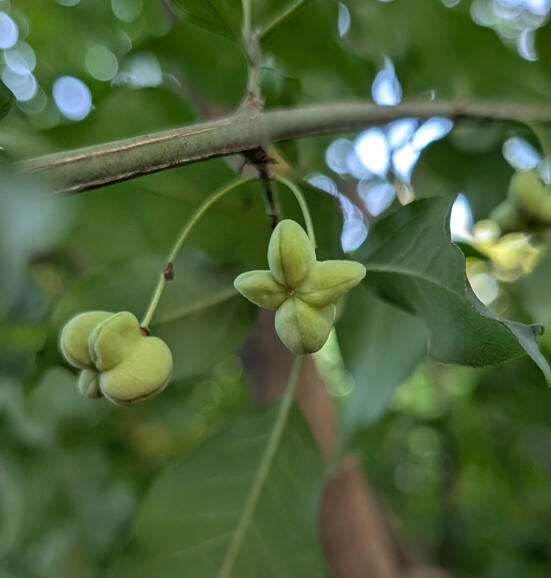
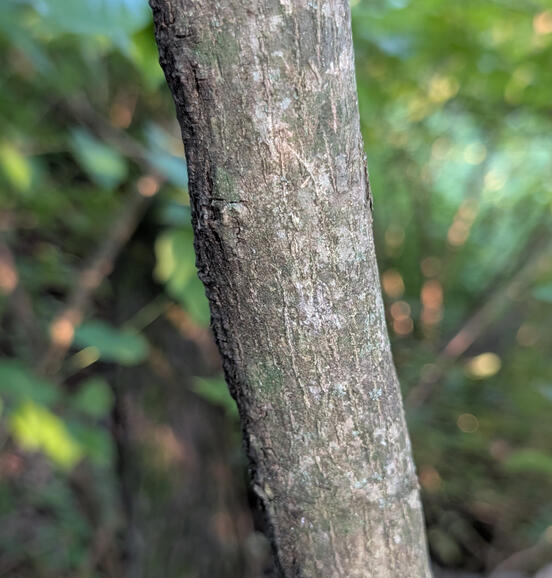
Elderberry
American Elm
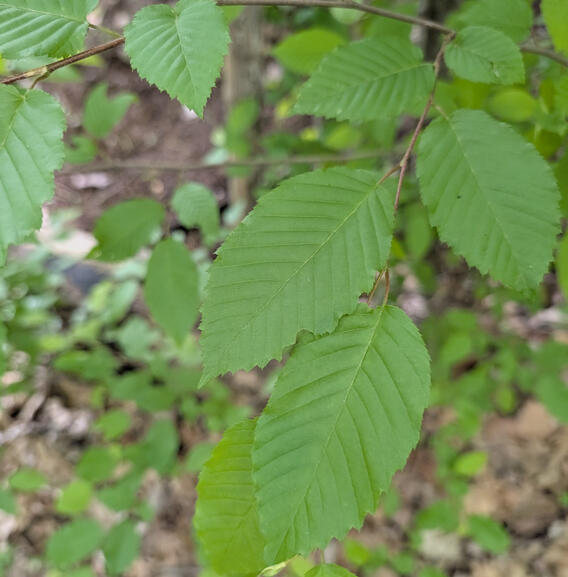
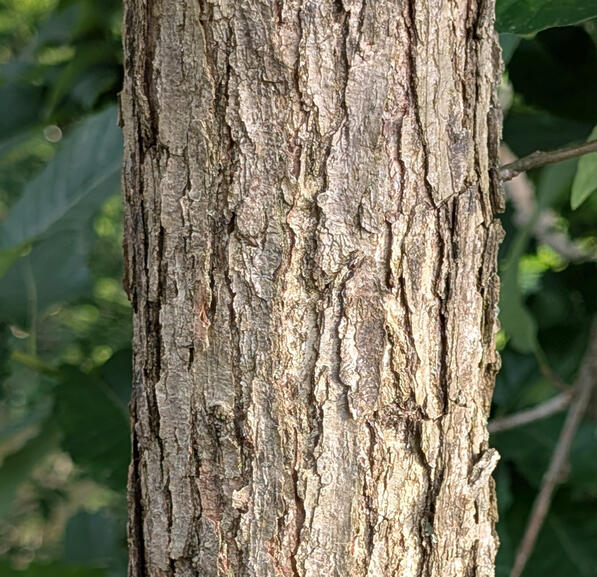
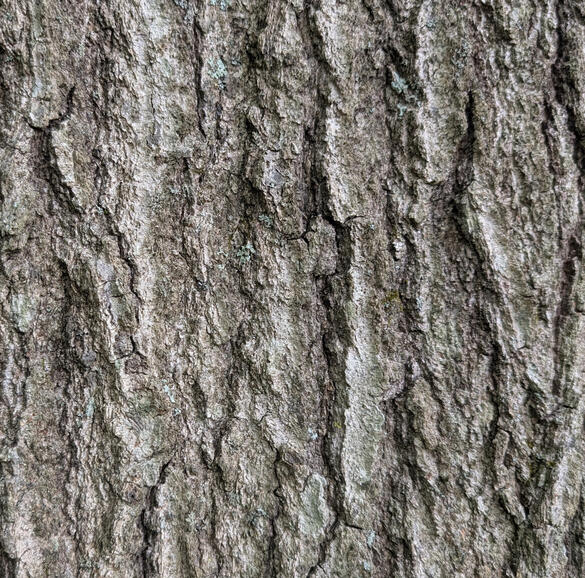
Winged Elm
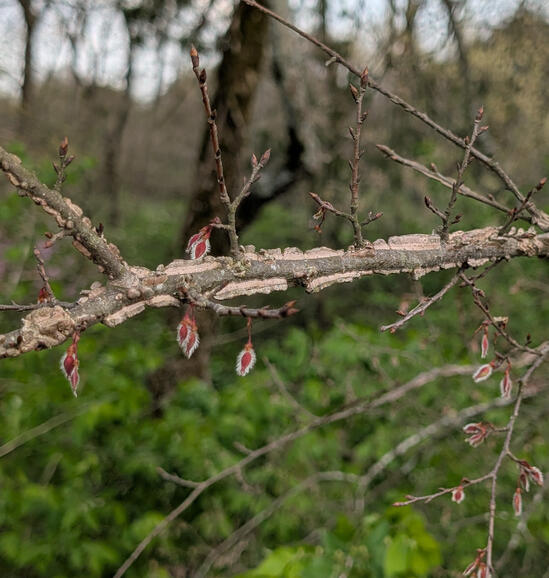
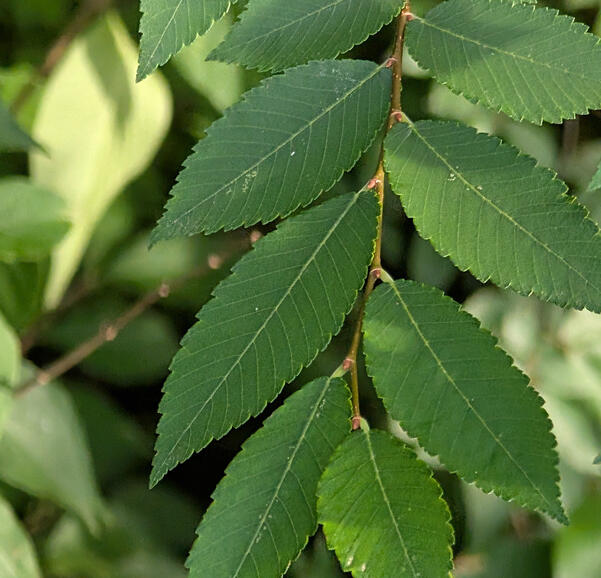
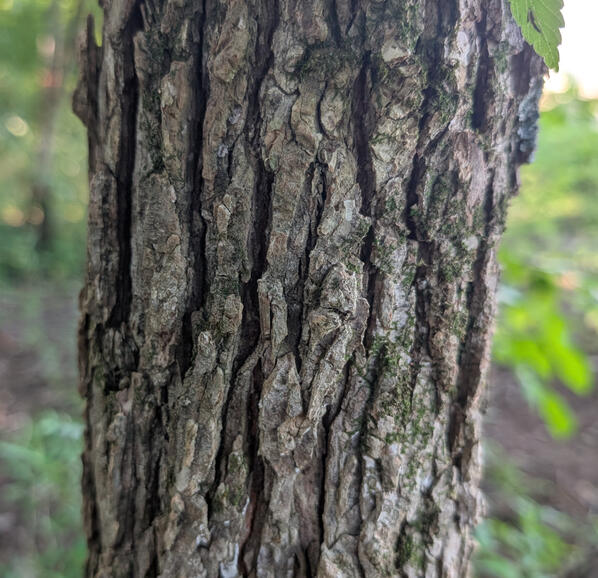
Hackberry
Bitternut Hickory
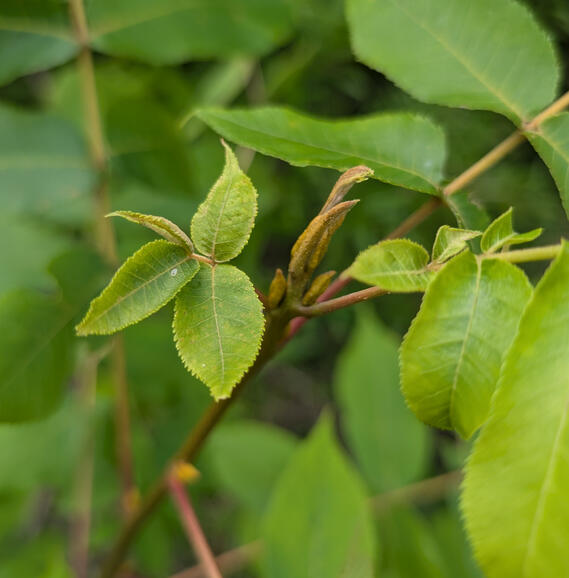
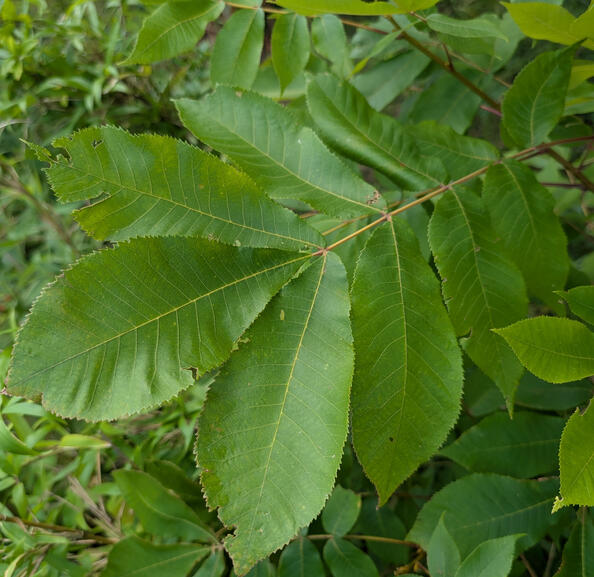
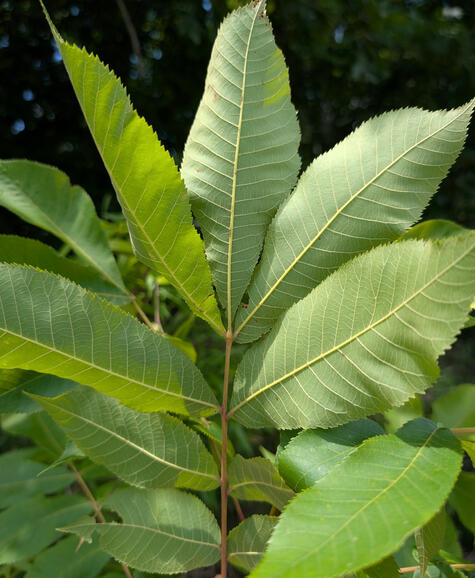
Mockernut Hickory
Pignut Hickory
Shagbark Hickory
Shellbark Hickory
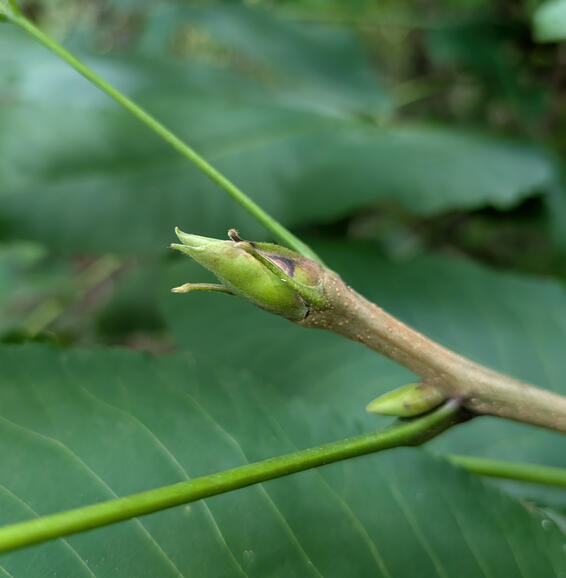
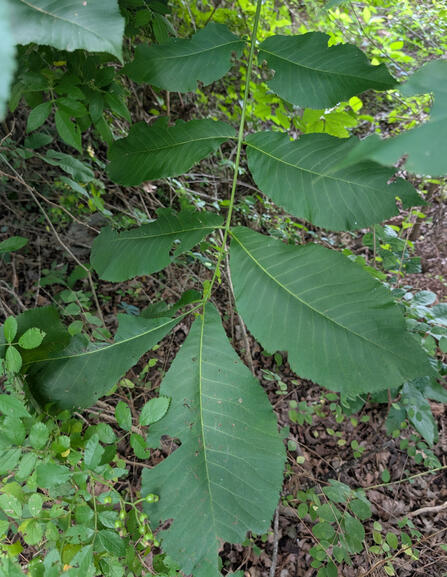
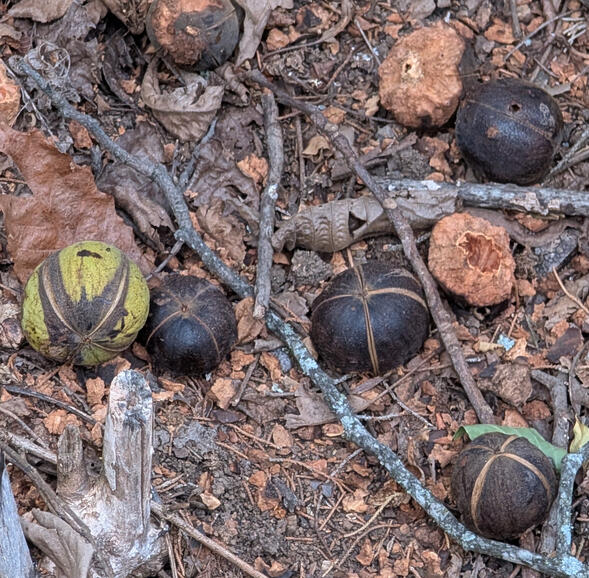
Honey Locust
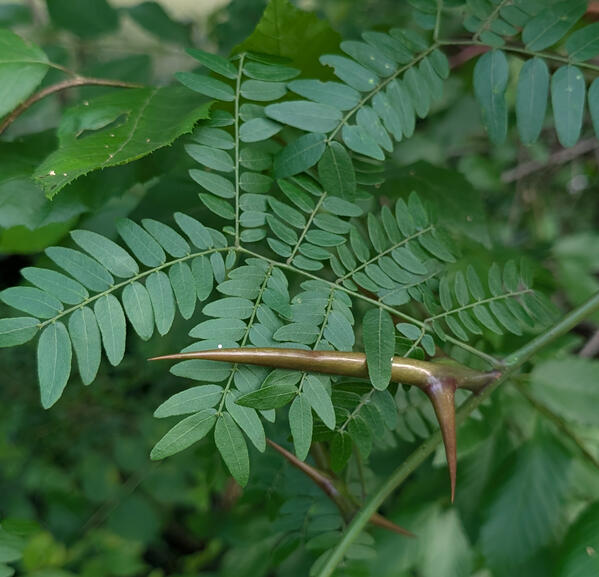
Hop Tree/Wafer Ash
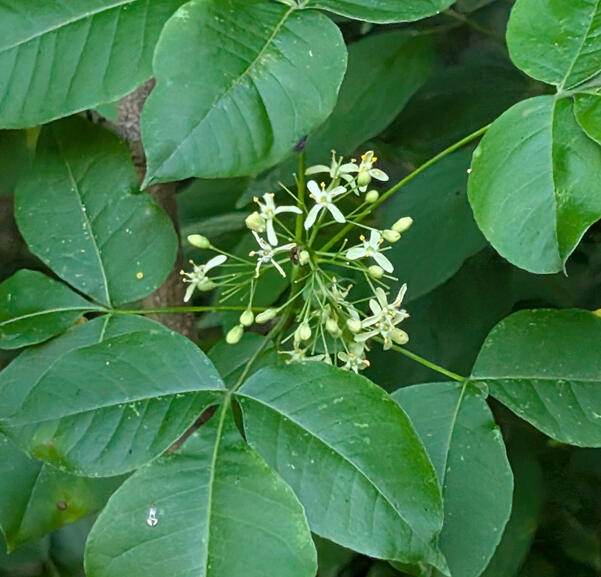
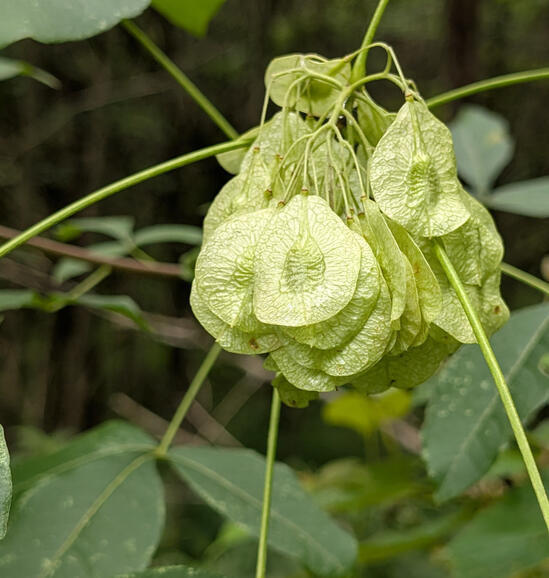
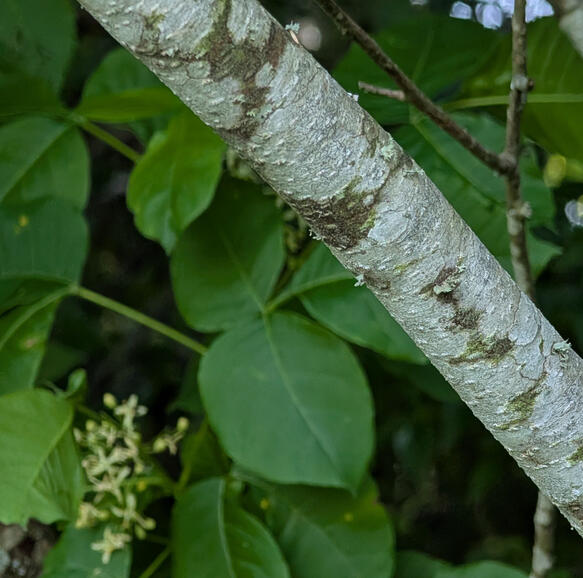
American Hornbeam
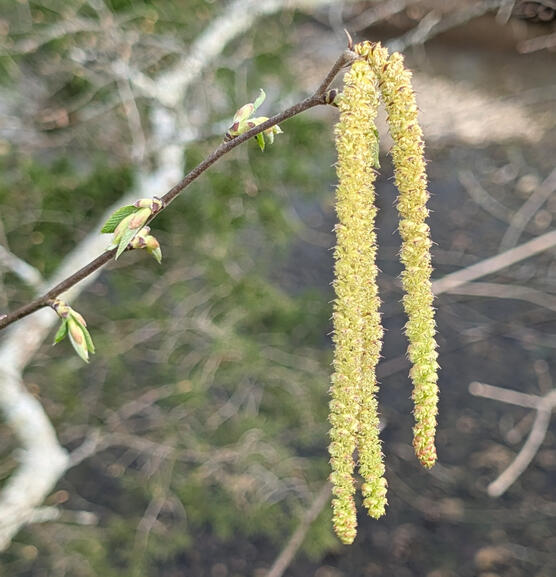
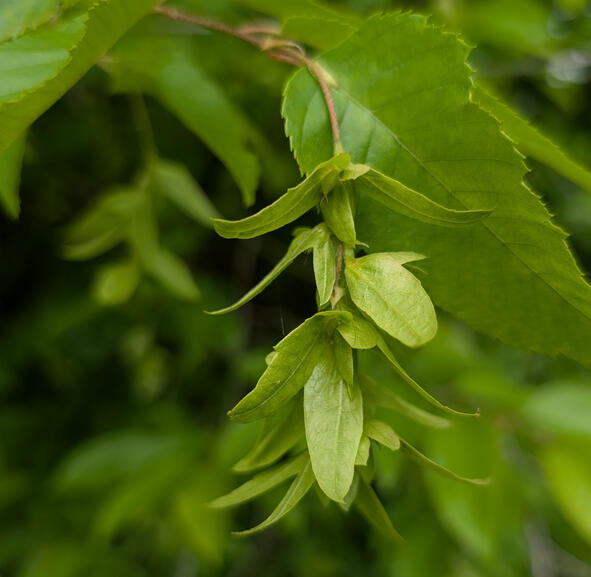
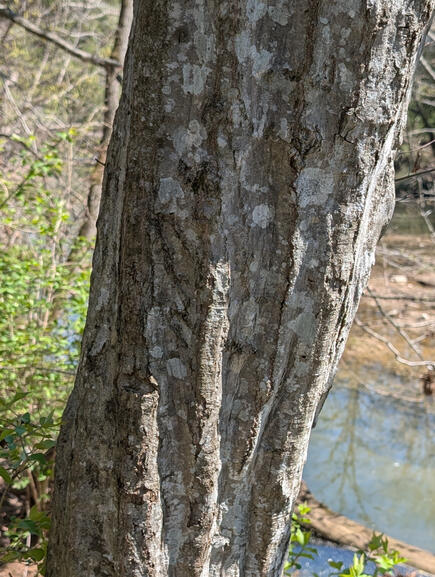
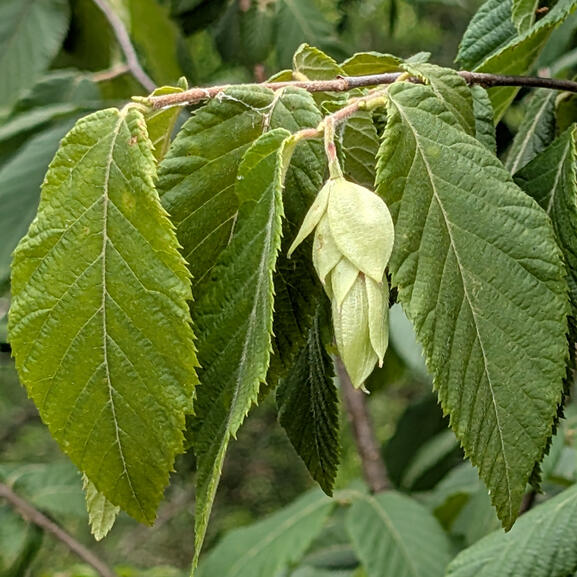
Hop Hornbeam
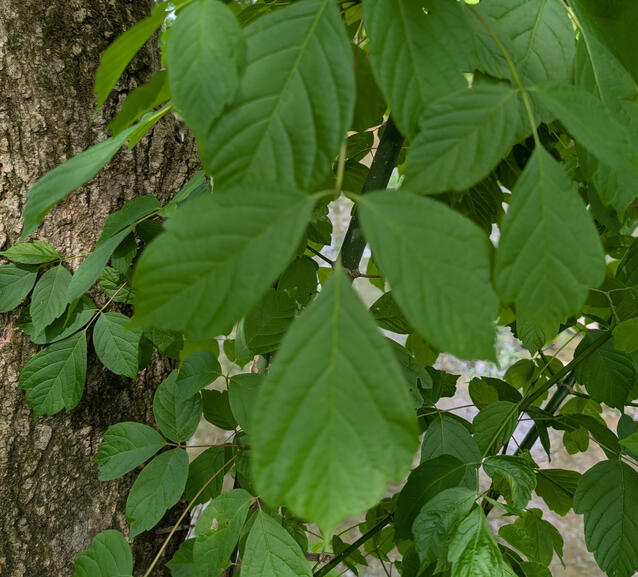
Boxelder Maple
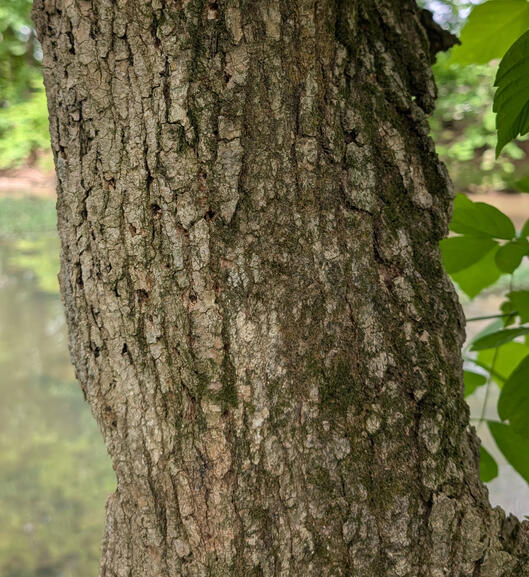
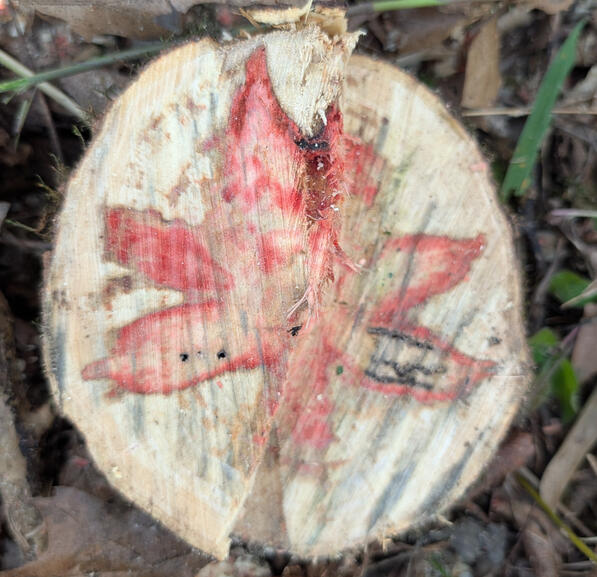
Silver Maple
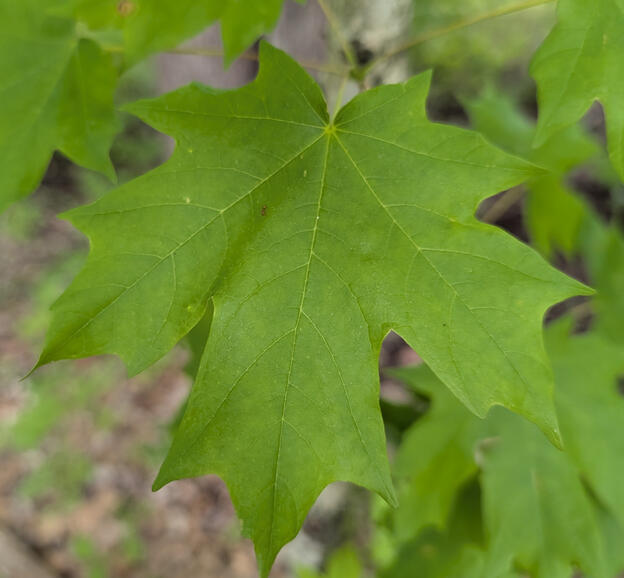
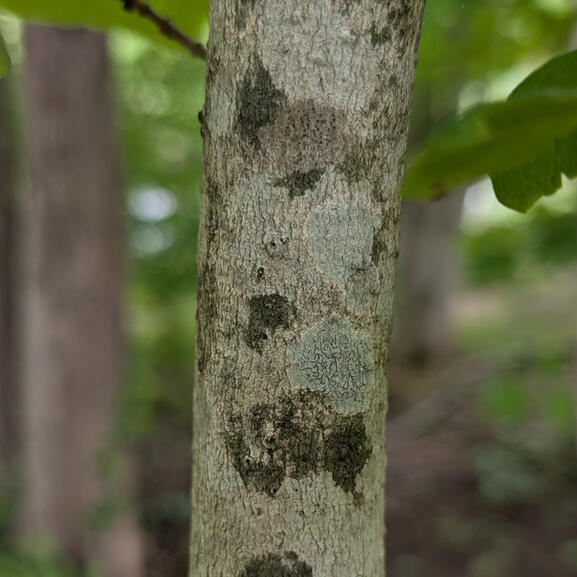
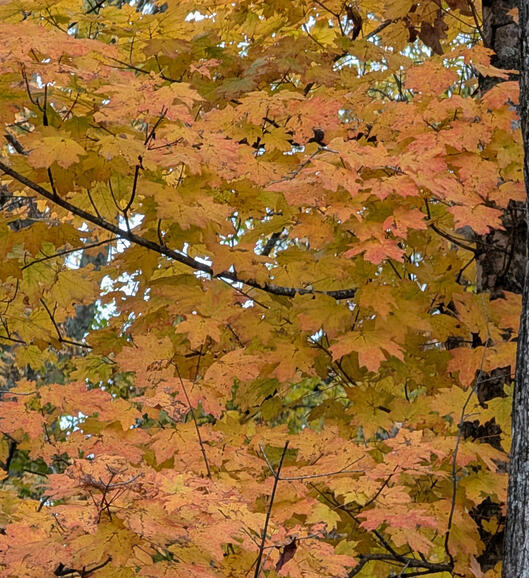
Sugar Maple
Red Mulberry
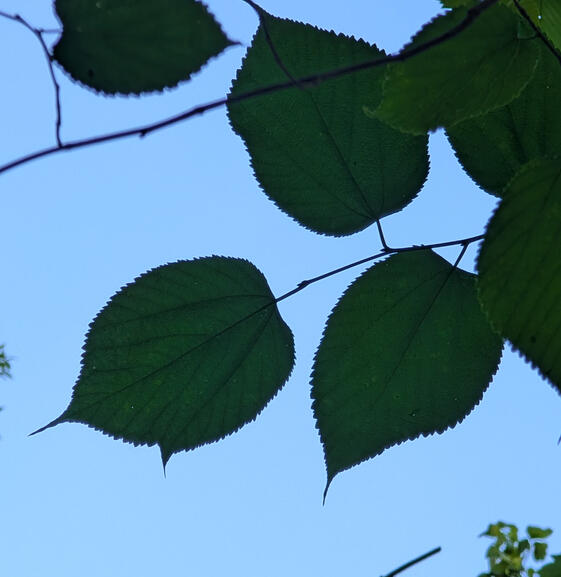
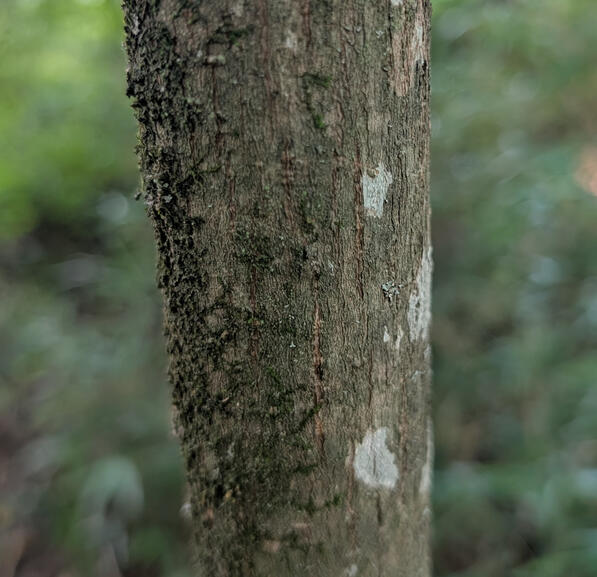
Burr Oak
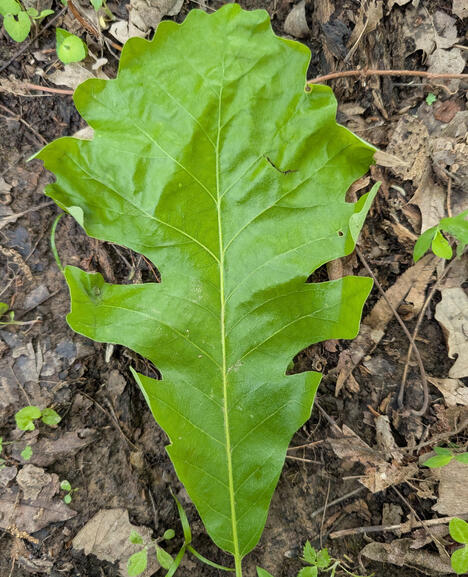
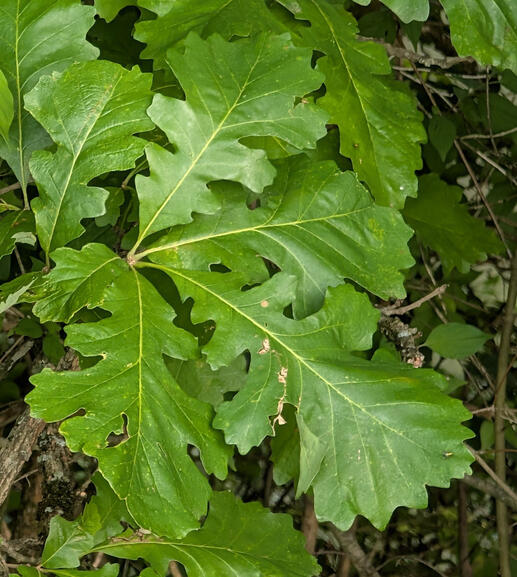
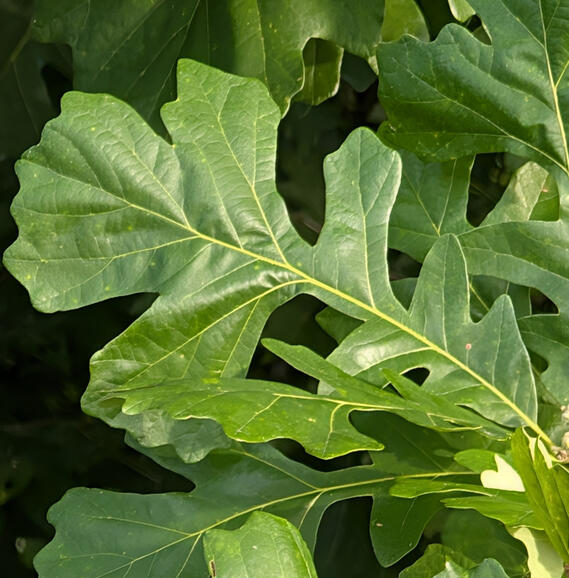
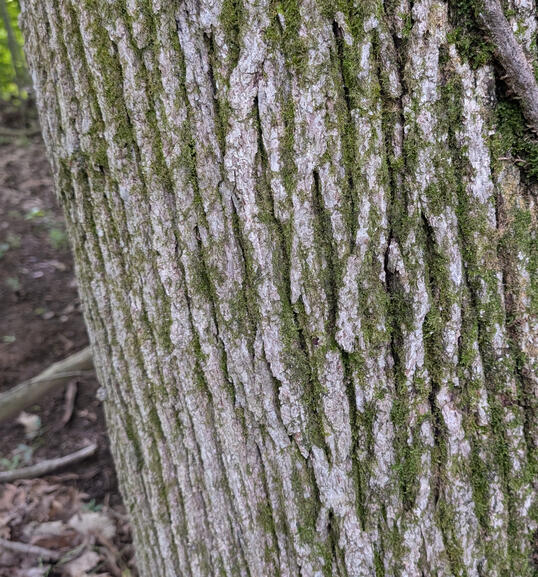
Chinquapin Oak
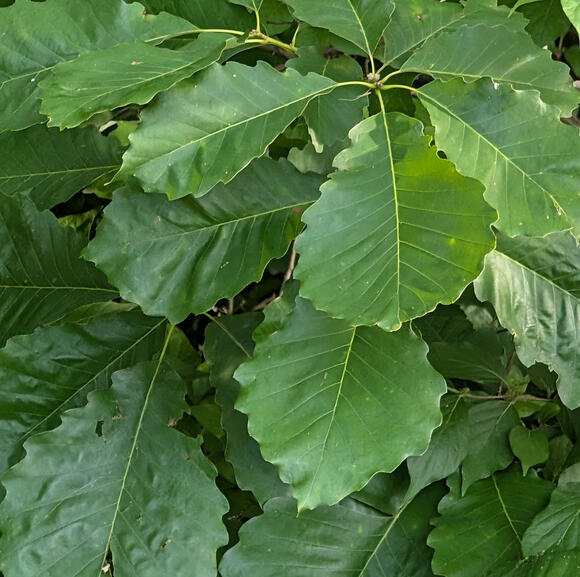
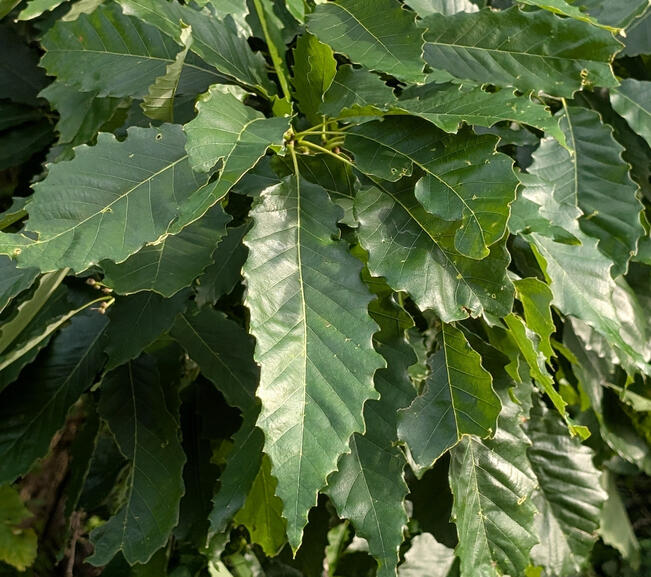
Schumard Oak
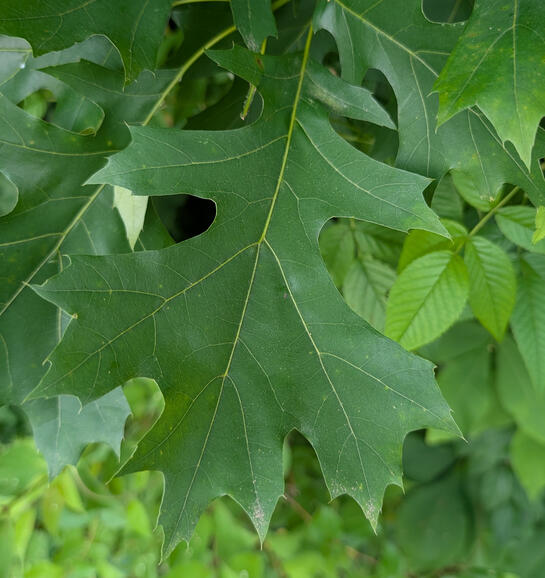
Shingle Oak
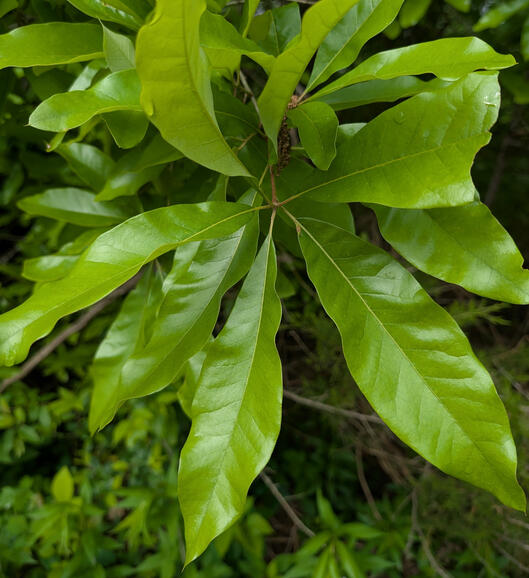
Water Oak
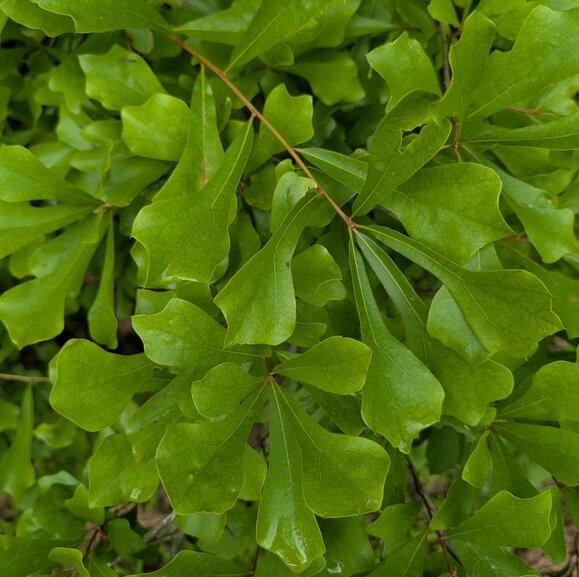
Willow Oak
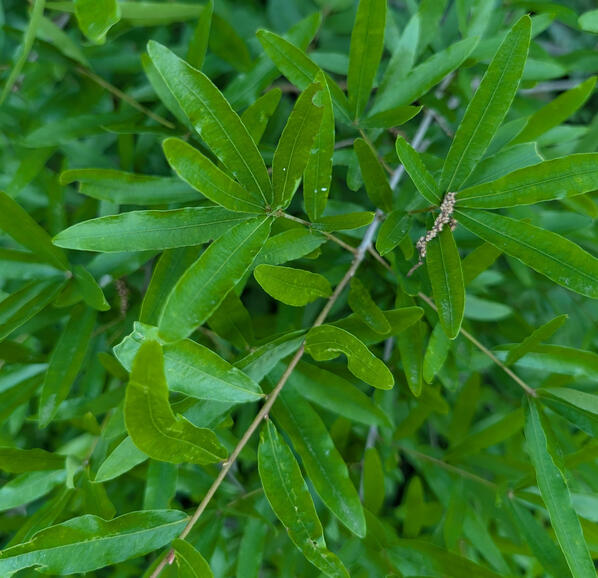
Osage Orange
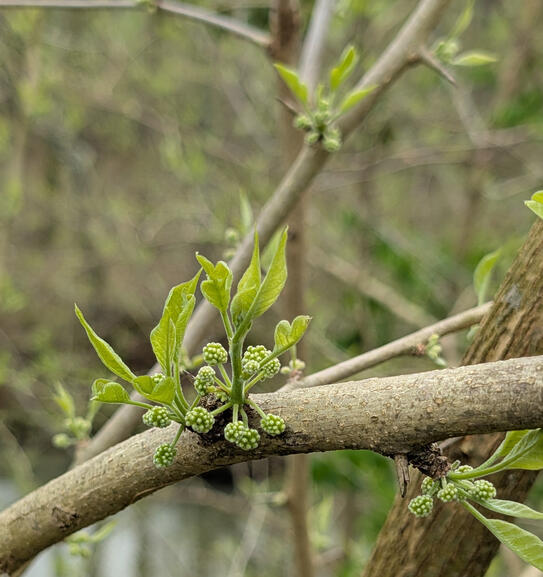
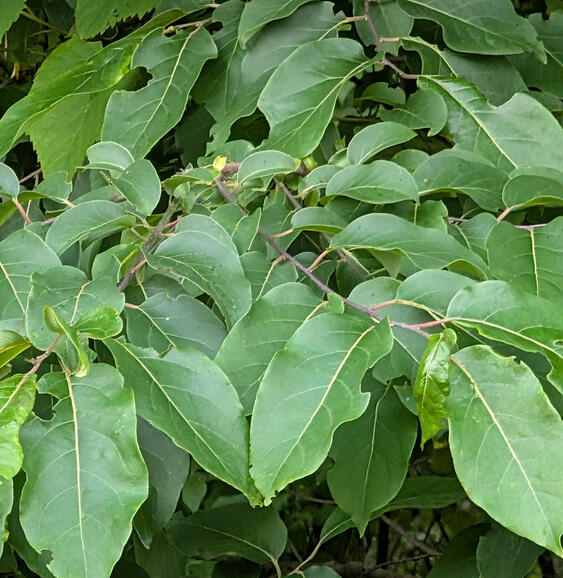
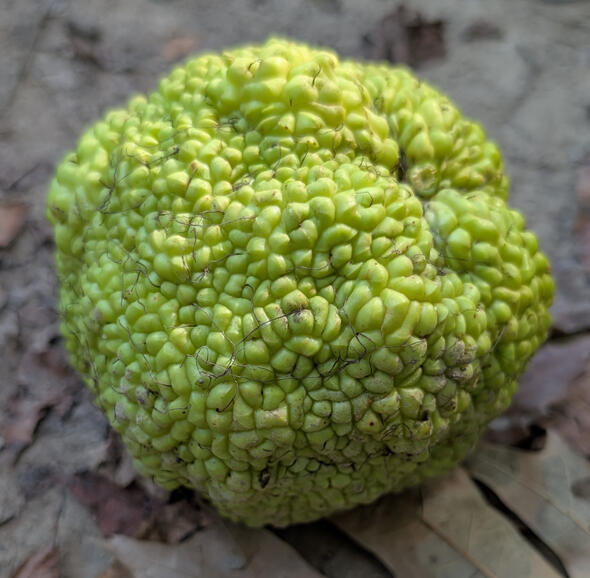
Pawpaw
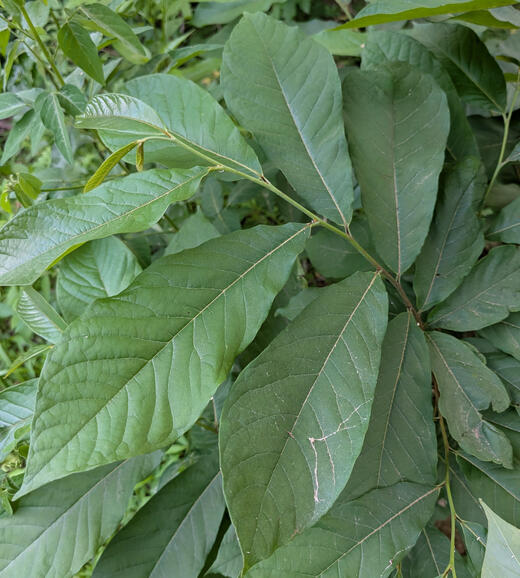
American Persimmon
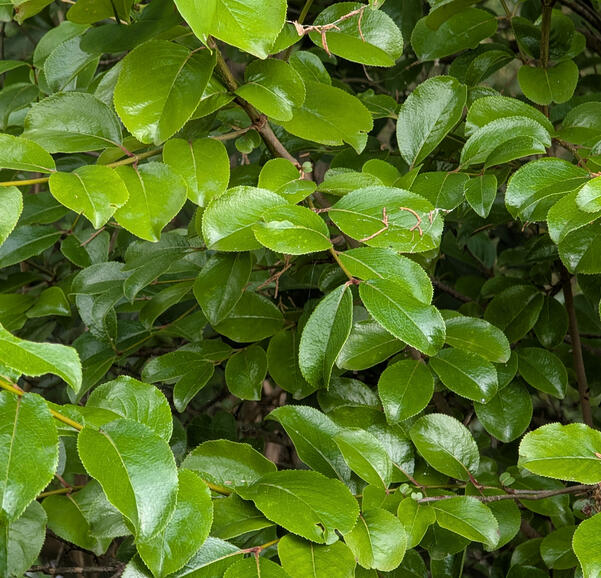
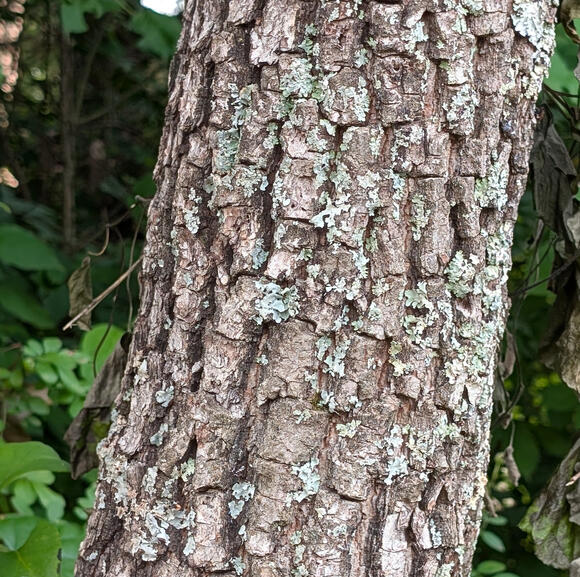
Red Bud
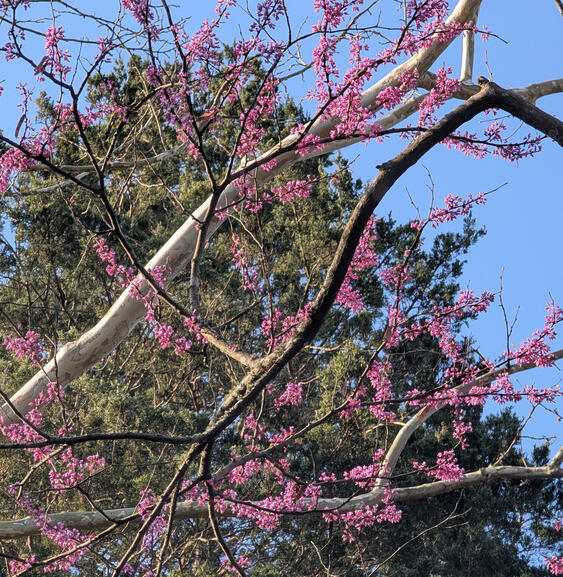
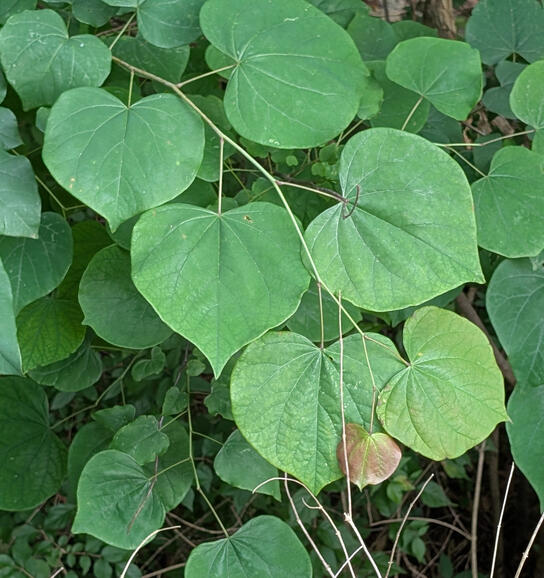
Sassafras
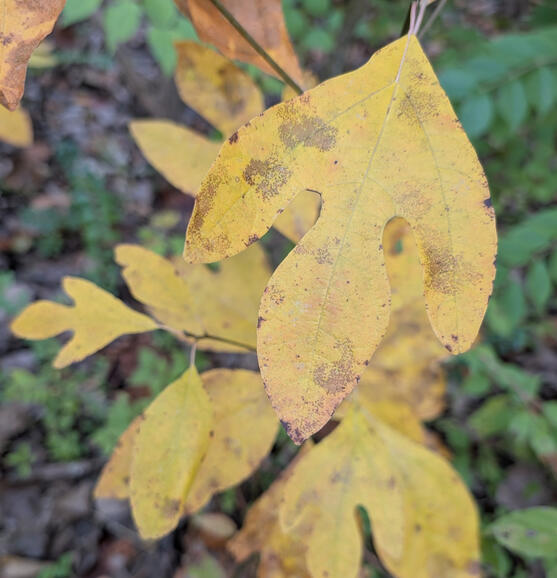
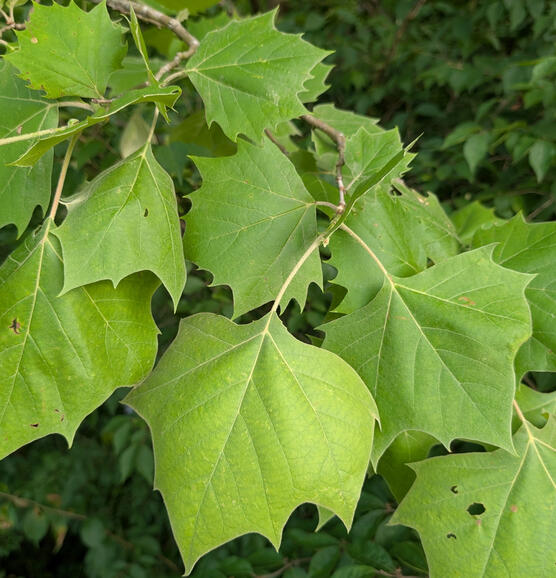
American Sycamore
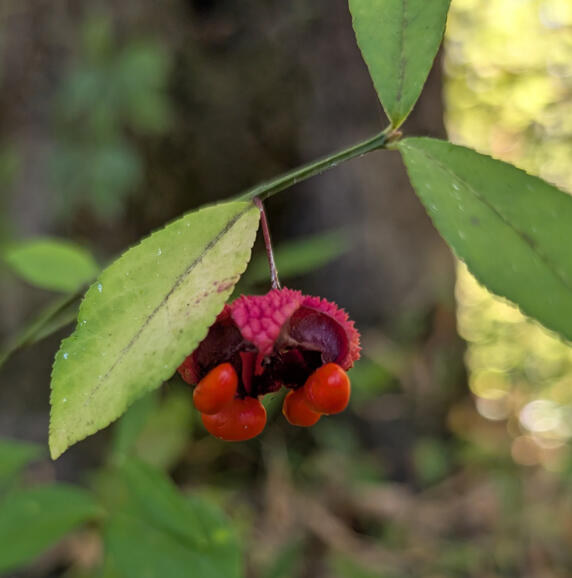
Strawberry Bush
Aromatic Sumac
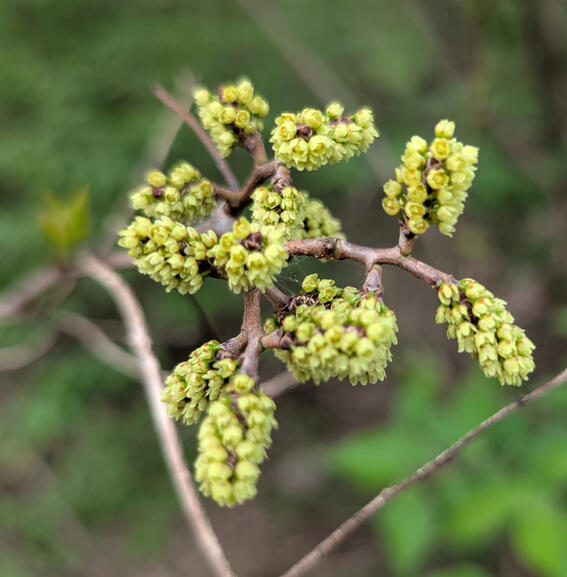
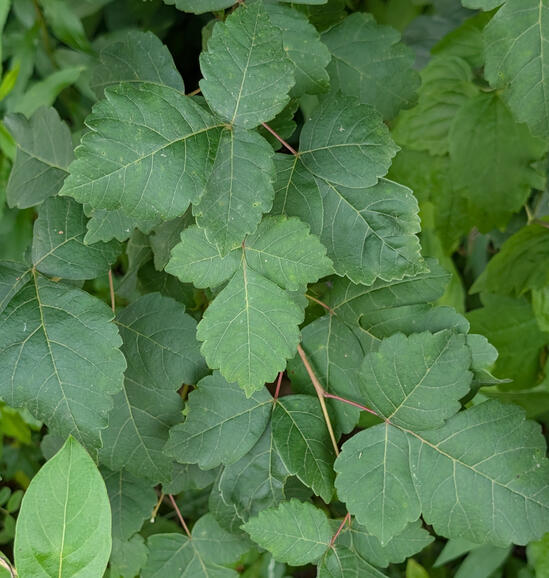
Smooth Sumac
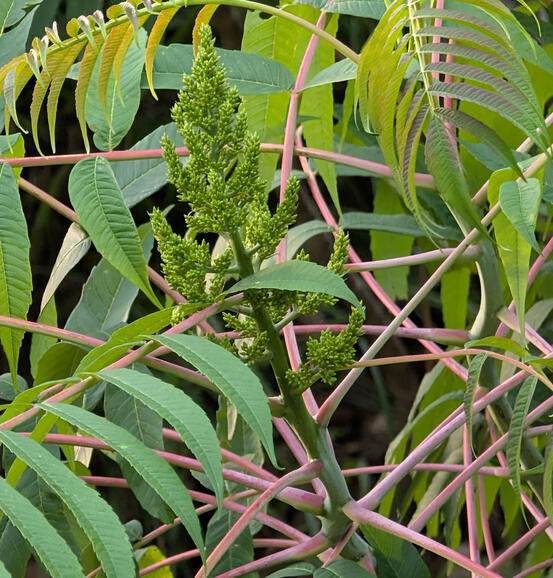
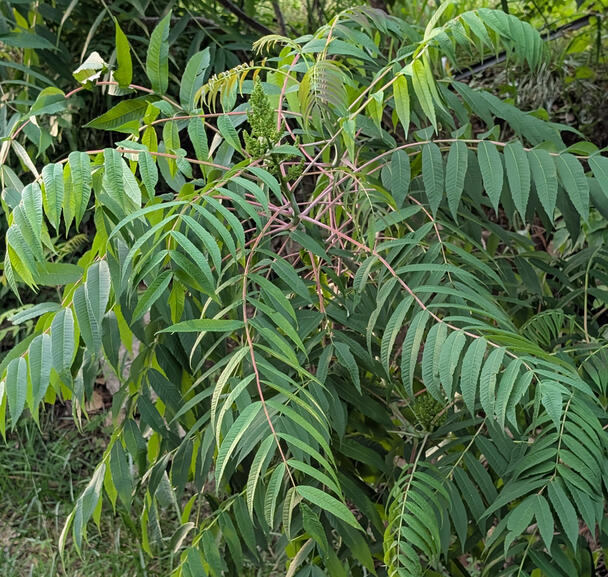
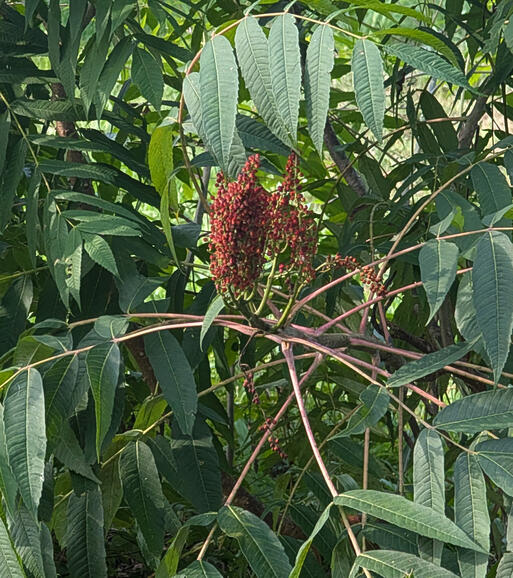
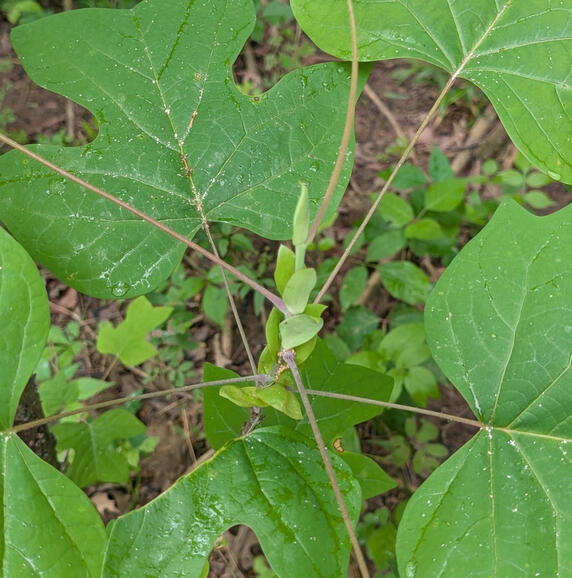
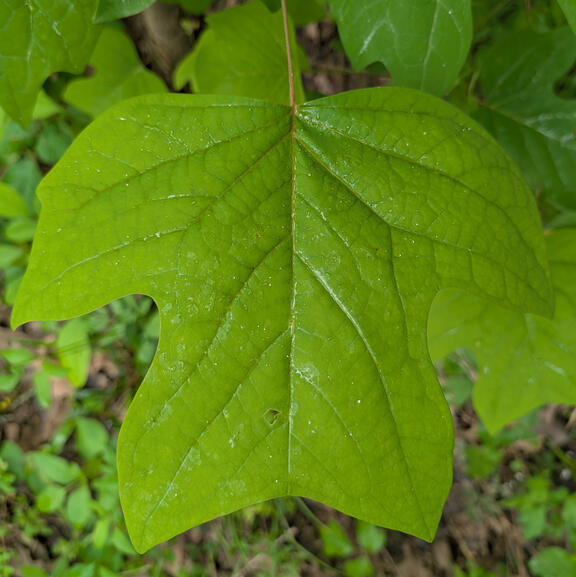
Tulip Tree
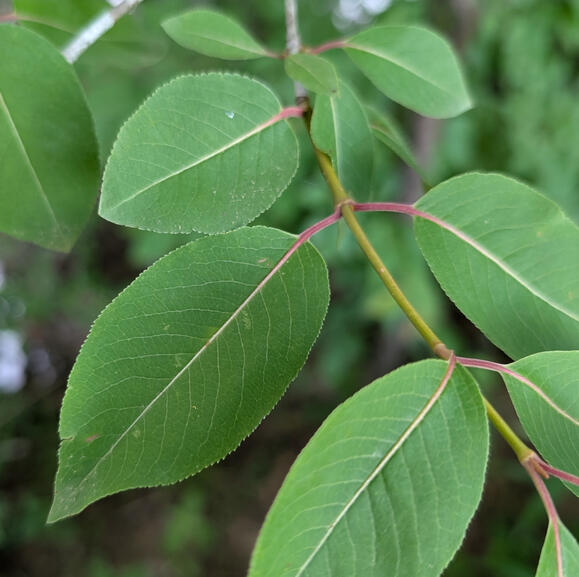
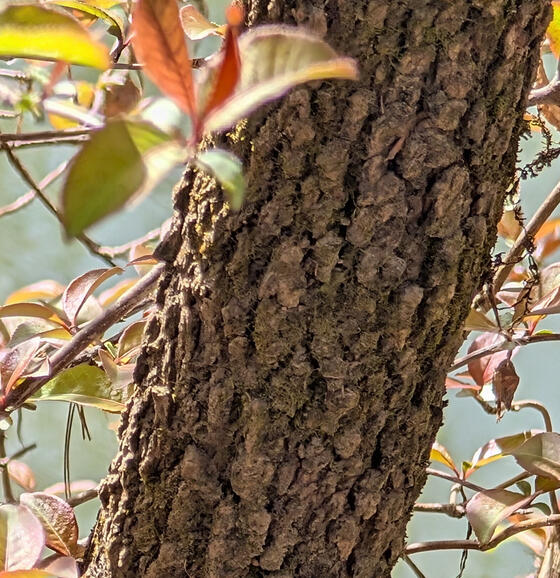
Rusty Blackhaw Viburnum
Click the buttons below to view other Galleries
Click the buttons below to view other Galleries
Tree and Shrub Resources: